Why NYC Property Owners Should Skip Airbnb and List with Rove for the World Cup (May 2026)
If you plan to rent out your NYC apartment on Airbnb during the 2026 World Cup, city regulations surrounding short term rentals can make that plan harder than you expect. For example, rentals under 30 days require you to stay in your home the entire time, which defeats the purpose if you wanted to travel while guests are there. The World Cup runs 36 days, and that timeline opens up a different model entirely if you work with an Airbnb alternative for World Cup rentals that specializes in 30-day stays and connects you with vetted guests who book the full tournament window.
TLDR:
- NYC's Local Law 18 blocks most Airbnb rentals under 30 days, with fines up to $5,000 per violation.
- The 2026 World Cup runs 36 days, making 30+ day stays the only compliant, high-earning option.
- Airbnb extracts up to $1,720 per $10,000 stay through combined host and guest fees.
- Rove Travel vets guests and manages 30+ day stays at 85%+ occupancy, bypassing registration rules.
Why the 30-day minimum changes everything for World Cup hosts
The World Cup matches in the New York/New Jersey area run from June 13 through the Final on July 19, 2026, a span of 36 days. That timeline lands just above the 30-day threshold, and the overlap is worth paying attention to. Airbnb has acknowledged this reality, recommending that NYC hosts shift to a mid-term rental model as the only compliant way to keep their homes earning.
For owners, the math works cleanly when a guest stays for the full tournament stretch. One stay covering June 13 through the Final clears Local Law 18 and captures peak demand in a single reservation. The complication arrives when guests want shorter windows: two weeks for the group stage, or a long weekend around the Final. Those requests are common, and every one of them drops you back inside the restricted zone.
Why holding out for the right guest matters
This is where early positioning separates owners who earn from owners who leave income on the table. The guests most likely to book a full 36-day stay don't browse Airbnb the week before the tournament. They are corporate travelers, international delegations, and group travel organizers who plan months ahead and expect a managed, reliable experience. Reaching them requires a different distribution approach entirely in the current regulatory environment.
The 30-day floor forces a real choice: hold out for guests who book the full window, or leave the market to owners who planned for it well in advance.
What World Cup demand actually looks like in NYC
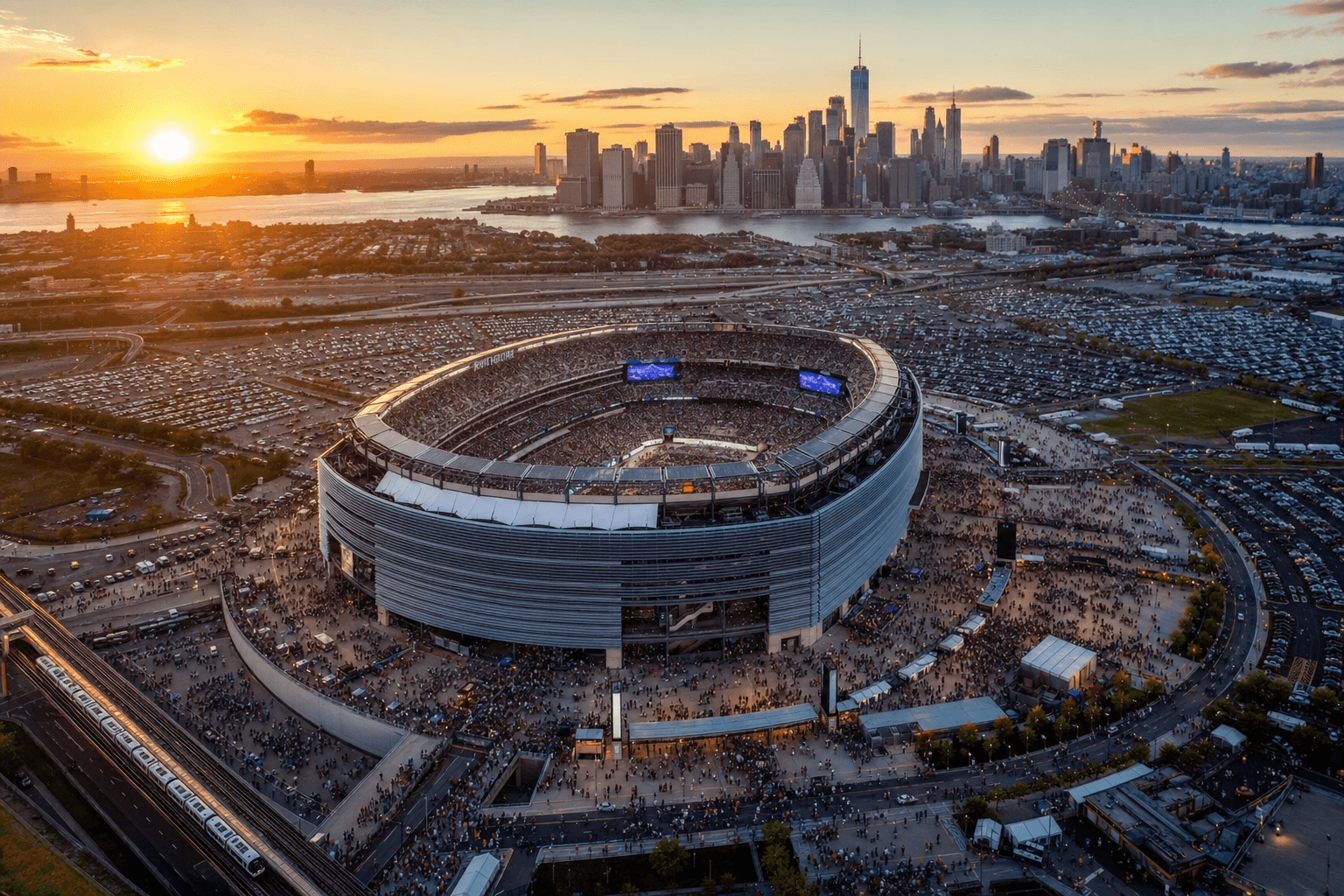
FIFA's expanded 48-team format brings 104 matches to North America in 2026, with MetLife Stadium hosting eight matches including the final. New York and New Jersey are expected to draw some of the largest crowds of any host region, and short-term rental demand in the metro area will reflect that.
The numbers from past tournaments offer useful context. During the 2014 World Cup in Brazil, host cities saw short-term rental rates climb 40 to 100% above baseline. For an event of this scale in one of the world's most sought-after cities, NYC owners are well-positioned to earn returns that most calendar years simply cannot produce.
The tournament runs from June 11 through July 19, 2026, giving owners a 38-day window of concentrated, high-intent travel demand.
- International fans traveling from Europe, South America, and beyond will need stays of several nights to a week or more, with many planning extended trips to attend multiple matches.
- Corporate and media travelers, sponsors, and broadcast crews represent a secondary wave of guests who value comfort and reliability over price.
- Demand will be highest in Manhattan, Brooklyn, and areas with direct transit access to MetLife Stadium in East Rutherford, NJ.
What Airbnb offers for NYC rentals during the World Cup
Airbnb operates as a listing marketplace where homeowners post residences for stays ranging from a single night to several months. For most individual NYC hosts, the structure looks like this: a 3% host service fee per stay, with guests paying an additional 14% to 16.5% on top of the listed nightly rate. Managers of multiple homes using third-party software face a different arrangement, a 15.5% host-only fee, which places more of the cost burden on the owner instead of the guest.
For a World Cup rental in May 2026, listing on Airbnb might seem like the obvious move. Set a nightly rate, capture peak demand, collect a check. But NYC's regulatory environment, combined with Airbnb's fee structure and the day-to-day realities of hosting short-term guests, creates a more complicated picture for residential property owners than the listing process itself suggests.
How NYC's Local Law 18 restricts Airbnb hosts during the World Cup
New York City's short-term rental law makes Airbnb hosting far more complicated than most owners realize, and the World Cup window will put that friction on full display.
Local Law 18, which took effect in September 2023, requires hosts to register with the city, limits stays to guests sharing the space with a permanent resident, and caps the number of guests at two. In practice, you must be physically present for every night of a guest's stay. renting for the World Cup in NYC requires careful planning around these restrictions. For most homeowners hoping to rent out their home while the tournament is in town, that simply isn't possible.
For World Cup stays, longer minimum durations are both a practical and legal necessity.
How this affects World Cup earnings
The restrictions carry real financial weight. Consider what owners stand to lose by staying on Airbnb:
- Registered hosts can only host two guests at a time, ruling out families or larger groups who represent the highest-value World Cup stays.
- Any absence from your home during a guest's stay puts your registration at risk of suspension.
- Violations carry fines of up to $5,000 per infraction, which can quickly erode any earnings from a single stay.
For homeowners with a well-appointed residence and a two-to-four week vacancy during the tournament, Airbnb's structure under Local Law 18 leaves most of that earning potential untouched.
How Airbnb fees reduce owner revenue during high-demand events
Airbnb charges hosts a service fee of 3% on every transaction, but that figure understates the real cost. Guests pay a separate fee of up to 14.2%, which routinely causes sticker shock at checkout and leads to abandoned stays or lowball price pressure on hosts during high-demand events.
During high-demand events like the 2026 FIFA World Cup, this structure works against you in a direct way. To stay competitive against other listings where guests are already paying inflated fees, many hosts feel pressure to lower their nightly rate. The result is a narrowing margin at exactly the moment your home has the most earning potential.
A quick look at the math
Consider a home listed at $1,000 per night for a 10-night World Cup stay:
| Fee Type | Rate | Amount Lost |
|---|---|---|
| Airbnb host fee | 3% | $300 |
| Airbnb guest fee (up to) | 14.2% | $1,420 (guest pays) |
| Total extracted by Airbnb | $1,720+ |
That $1,720 leaves the transaction entirely, split between reduced host earnings and guests paying above your listed rate.
What Rove Travel offers NYC homeowners for World Cup rentals
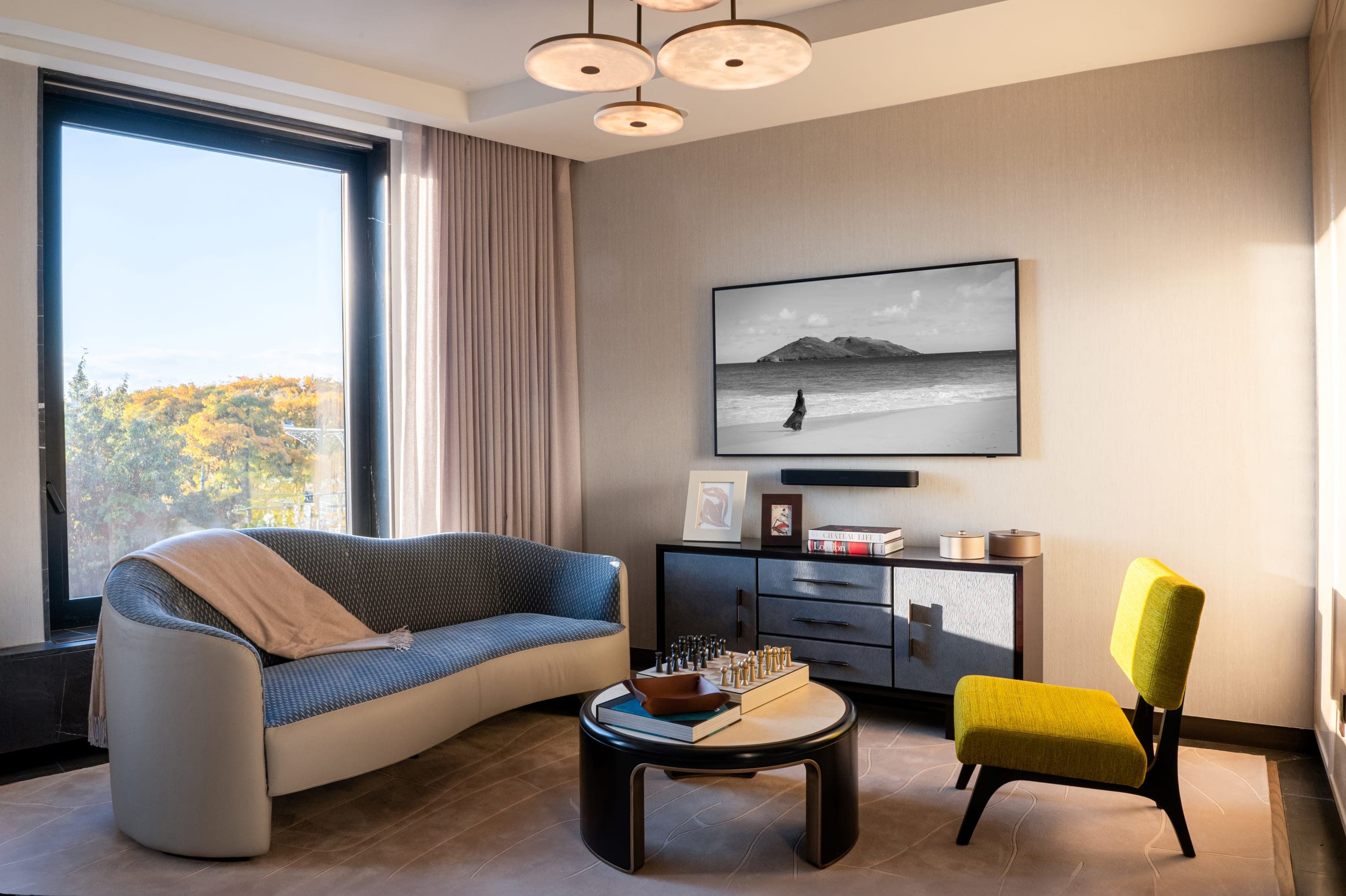
Rove Travel works with NYC homeowners to list their residences for high-demand events like the 2026 FIFA World Cup, connecting them with vetted, selective guests who are seeking curated stays over standard hotel options.
What the listing experience looks like
Listing with Rove means your home is presented to an audience of travelers who expect quality and are prepared to pay for it, similar to guests seeking luxury temporary housing in New York City. The process is designed to give owners control without requiring day-to-day involvement.
- Guest vetting is handled by Rove, so only qualified, responsible travelers stay in your home during a high-traffic event window.
- Pricing guidance is informed by real market data, helping you set rates that reflect the demand surge the World Cup brings to NYC.
- Owners retain the ability to block dates, set house rules, and approve stays, keeping you in control of how your home is used.
- A dedicated team manages guest communication, check-in coordination, and any issues that arise during the stay.
For a city expecting hundreds of thousands of international visitors across the tournament, pairing your home with the right guests requires more than a self-serve listing. Rove brings the infrastructure to make that match well.
Why Rove's 30-day focus solves the World Cup compliance problem
Rove's model is built around the 30+ night stay, and for World Cup hosts, that single detail resolves the entire compliance problem.
Rentals of 30 consecutive days or more fall outside Local Law 18's registration requirement. No host-presence mandate. No two-guest occupancy cap. No registration approval standing between you and a fully rented home. A family of five flying in for the full tournament? Compliant. A corporate delegation staying the entire 36-day window? Also compliant, with you traveling elsewhere the whole time.
The contrast with Airbnb is clear. Airbnb can suggest mid-term rentals, but cannot deliver the guest vetting, matching, and managed experience that make a 30+ day stay perform at this level. Rove's NYC portfolio runs at 85%+ occupancy through exactly this model year-round. The World Cup raises the ceiling on what your home can earn within it.
Final thoughts on listing your NYC residence for the World Cup
Airbnb's fee structure and NYC's rental laws make it hard to earn what your home should during the World Cup, but an Airbnb alternative like Rove is built around 30-day stays that clear compliance and attract the guests willing to pay for quality. Your home gets matched with vetted travelers, you avoid the registration maze, and the logistics are handled for you. The earning window is short, and the best homes will fill early.
FAQ
What are the main differences between Airbnb and Rove Travel for World Cup rentals in NYC?
Airbnb operates as a self-service marketplace where you manage guest vetting, pricing, and communication yourself while paying a 3% host fee (plus 14.2% guest fees that can pressure your pricing). Rove Travel handles guest vetting, pricing guidance, and stay management for you, with a focus on 30+ night stays that keep you compliant with Local Law 18 without requiring your presence on-site.
How do the fees compare between Airbnb and Rove for a World Cup rental?
Airbnb charges hosts a 3% service fee per transaction, but guests pay an additional 14.2% on top of your listed rate, which often creates price resistance that forces hosts to lower their nightly rates. Rove's model is built for longer stays where pricing reflects actual market demand during high-traffic events, without the layered fee structure that erodes your earnings at checkout.
Can I legally rent my NYC home for the full World Cup window on either service?
The World Cup runs 36 days from June 13 through July 19, 2026, which clears the 30-day minimum required to avoid Local Law 18 restrictions. On Airbnb, you would need to find guests willing to book the entire window and manage that stay yourself. Rove matches you with vetted guests seeking longer tournament stays and manages the entire experience while you remain fully compliant.
Which option is better for owners who want to travel during the World Cup?
Rove works better for owners planning to be away during the tournament. Airbnb's compliance with Local Law 18 requires you to be physically present throughout any stay under 30 days, limiting your ability to leave the city. Rove's 30+ night model allows you to list your entire home for the full tournament window while you travel elsewhere, with professional management handling everything in your absence.
How does guest vetting differ between Airbnb and Rove for high-demand events?
Airbnb provides basic verification but leaves most screening to individual hosts, who must review profiles and communicate with potential guests themselves. Rove vets every guest before they stay in your home, matching you with travelers who have been qualified for reliability and respect for the residence, which matters more during high-stakes events when your home faces concentrated use over several weeks.