Top Luxury Rental Managers West Village 2026

The West Village sits at the intersection of the highest per-square-foot rents in Manhattan and some of the tightest property restrictions in NYC.
One-bedroom units regularly clear $4,500 per month on standard leases, two-bedrooms push past $7,000, and furnished monthly rentals command an even steeper premium when you can legally offer them. Local Law 18 eliminated unhosted short-term rentals, Landmarks Preservation Commission approval governs most exterior work, and co-op boards layer their own subletting rules on top of city regulations.
For property owners, that means the 30-night minimum furnished model is the primary legal path to rental income, and management fees between 20 and 35 percent at traditional firms translate into $24,000 to $42,000 annually on a property generating $120,000 in gross revenue. The companies below show what full-service West Village property management actually includes at each fee tier, what separates NYC-specific firms from national operators, and how to the right management structure for your rental.
TLDR:
- West Village apartments rent for $4,500+ (1BR) and $7,000+ (2BR) monthly, with furnished monthly rentals earning $7,000 to $9,000 during peak demand.
- NYC's Local Law 18 bans unhosted short-term rentals under 30 nights, making the 30-day minimum the legal path for most West Village owners.
- Full-service management typically costs 20 to 35% of gross revenue. On a $120,000 property, that's $24,000 to $42,000 annually before add-ons.
- Rove Travel charges 15% all-in for full-service management through Rove+, with RoveCore offering free software and no host-side fees on OTA bookings.
What Makes West Village Property Management Different from Other NYC Neighborhoods
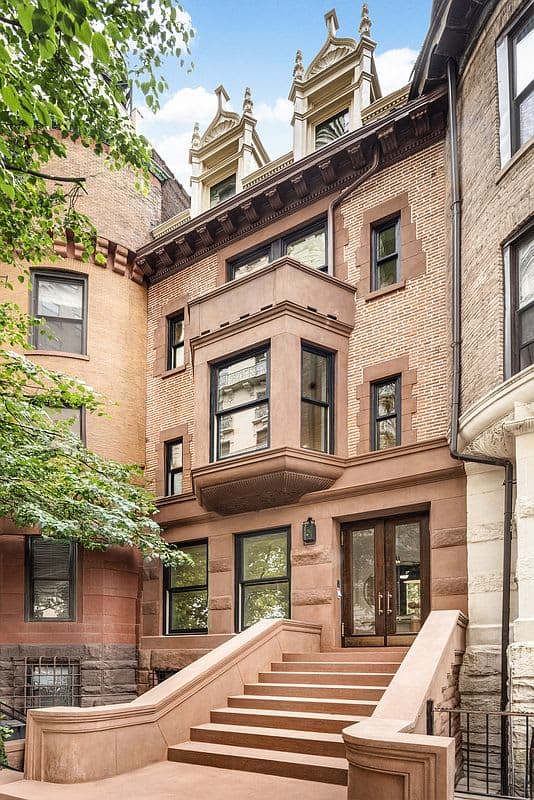
The West Village sits at the intersection of some of the tightest zoning protections in New York City and some of the highest renter demand in Manhattan. Most of the neighborhood falls within the Greenwich Village Historic District, which means exterior alterations, additions, and renovations require Landmarks Preservation Commission approval. For property owners, that approval process adds time and cost to any capital improvement, and it limits how aggressively a unit can be repositioned between tenants.
Rental pricing reflects that constraint. West Village apartments regularly command among the highest per-square-foot rents in Manhattan, with one-bedroom units frequently listing above $4,500 per month and two-bedrooms clearing $7,000 in many buildings. Supply stays low because new construction is tightly restricted, and turnover is slow because tenants who secure a unit tend to hold it.
For Owners Considering Short-Term Rentals
Under NYC's Local Law 18, short-term rentals under 30 nights require the host to be present during the guest's stay and the city to have issued a registration. In a neighborhood where many buildings are co-ops or landmarked brownstones, board rules and LPC oversight layer on top of that city-wide requirement. Owners pursuing the 30-plus-night furnished rental model avoid the registration requirement entirely, and the West Village's concentration of corporate relocators, legal professionals, and finance travelers creates consistent demand at that stay length.
That demand profile, combined with limited inventory, is why luxury rental management in the West Village requires a different approach than a high-turnover outer-borough building.
How NYC's Local Law 18 Changed the West Village Rental Market for Property Owners
NYC's Local Law 18 reshaped short-term rental rules across Manhattan, and the West Village felt that shift acutely. Under the law, hosts must register with the city and be present during any guest stay, effectively banning unhosted short-term rentals in most residential buildings. For West Village property owners who had been earning income through platforms like Airbnb or Vrbo on an unhosted basis, that revenue stream closed overnight.
The practical result: owners with furnished apartments now face a narrower set of legal options. Stays of 30 nights or more fall outside Local Law 18's restrictions, which is why the 30-day minimum has become the default structure for owners who want rental income without the compliance risk.
What West Village Owners Need to Know
The West Village's housing stock adds another layer of complexity. A large share of its residential buildings are co-ops or condos with boards that independently set subletting rules, often stricter than city law. Even where Local Law 18 would permit a hosted short-term rental, a building's proprietary lease may prohibit any subletting at all.
Owners working through this should check three things before listing:
- Whether their building's governing documents permit rentals and under what conditions
- Whether the unit qualifies for short-term registration under Local Law 18
- Whether a 30-night minimum structure better fits both the legal framework and the building's rules
For most West Village owners, the 30-day furnished rental model is the path that avoids regulatory exposure while still generating meaningful income from a high-demand location.
The Three Types of Luxury Rental Management Services Available to West Village Property Owners
West Village property owners have three primary service categories to choose from, each with a different fee structure, level of involvement, and revenue outcome.
Full-Service Luxury Management
Full-service firms handle everything: listing creation, guest vetting, pricing, cleaning, maintenance coordination, and owner reporting. Fees typically run 25 to 35% of gross revenue at traditional firms. On a property generating $120,000 annually, that means $30,000 to $42,000 in management fees each year.
Self-Management With Software Support
Some owners prefer to retain control and use tech to handle the day-to-day work, including automated pricing tools, booking calendars, and guest communication. This model works well for owners with time to manage the details but keeps overhead low.
Hybrid Managed Services
A middle tier exists for owners who want professional oversight without full delegation. These arrangements typically cover marketing and guest relations while leaving maintenance coordination to the owner, often at fees in the 15 to 20% range.
What to Look for in a Full-Service West Village Property Manager
Full-service property management in the West Village means handing off every aspect of your rental, from guest sourcing and vetting to cleaning, maintenance, and compliance with NYC's 30-day minimum stay rules under Local Law 18. For owners who want revenue without the workload, these companies handle the full operation in exchange for a percentage of gross revenue.
What Full-Service Management Typically Costs
Short-term vacation rental management fees at traditional firms typically run between 20% and 30% of gross revenue, well above the 8 to 12% range typical for long-term residential property management. On a West Village apartment generating $120,000 annually, a 25% fee means $30,000 leaving your pocket each year compared to a 15% arrangement.
You should also look for:
- Familiarity with Local Law 18 and NYC's 30-day minimum rental rules, since violations carry substantial fines for owners.
- A vetted guest network instead of open OTA distribution, which reduces wear on a high-value brownstone or co-op unit.
- Transparent fee structures with no separate charges for photography, onboarding, or maintenance coordination layered on top of the base rate.
- West Village occupancy rates, not Manhattan-wide averages.
Hosts commonly report management agreements running one to three years, with some extend to four years, though exact terms vary by contract and market.
What Property Owners Actually Pay: Breaking Down Management Fees in Dollar Terms
On a $150,000 annual gross revenue property in the West Village, the difference between a 15% and a 30% management fee is $22,500 per year. That gap compounds quickly across a multi-year contract.
Here's how the fee structures at major West Village rental management companies translate into real dollar terms:
Fee Ranges Across Management Tiers
Short-term vacation rental management fees at traditional firms typically run between 20% and 30% of gross revenue, well above the 8 to 12% range typical for long-term residential property management. On a West Village apartment generating $120,000 annually, a 25% fee means $30,000 leaving your pocket each year compared to a 15% arrangement.
| Management Tier | Fee % | Annual Cost on $120K Property | Annual Cost on $150K Property | What's Included |
|---|---|---|---|---|
| High-end full-service | 30 to 35% | $36,000 to $42,000 | $45,000 to $52,500 | Full service, before add-ons |
| Mid-tier full-service | 20 to 25% | $24,000 to $30,000 | $30,000 to $37,500 | Often excludes guest vetting, marketing, or automated pricing |
| Rove+ (all-inclusive) | 15% | $18,000 | $22,500 | Photography, guest vetting, pricing, cleaning coordination, $5M damage protection (no add-ons) |
| RoveCore (self-manage) | 0% | $0 | $0 | Free software, OTA distribution, no host-side fees on bookings |
On a $120,000 property, the gap between high-end full-service (35%) and Rove+ (15%) is $24,000 annually. On a $150,000 property, that same gap reaches $30,000 per year.
What "All-In" Actually Means
Fee percentage alone does not tell the full story. A 20% fee that excludes photography, listing optimization, and guest communication may cost more than a 15% fee that covers all of those. Before comparing quotes, property owners should request a complete fee schedule that itemizes every charge outside the base percentage.
West Village properties, given their price points, have more to lose from opaque fee structures than owners in lower-revenue markets. A 5% fee difference on a $200,000 gross revenue property is $10,000 annually.
Property Requirements and Onboarding Costs: What Luxury Managers Expect from West Village Owners
West Village properties that qualify for luxury short-term rental management typically need to clear a higher bar than standard NYC rentals. Most managers expect a minimum of one bedroom, though two- and three-bedroom units and full brownstones command the strongest interest. Square footage matters less than condition: kitchens and bathrooms should be recently updated, and furnishings need to photograph well and hold up under frequent guest turnover.
Onboarding costs vary by property condition. Owners bringing a well-maintained, already-furnished unit can expect to spend $2,000 to $8,000 on photography, deep cleaning, and minor staging. Properties that need full furnishing typically run $15,000 to $40,000 or more, depending on unit size and the spec level the manager requires. Some firms offer furnishing packages or advance the cost against future revenue, though that arrangement usually comes with strings attached to the management contract.
West Village co-ops add a layer of complexity. Many boards restrict or outright ban short-term rentals regardless of Local Law 18 compliance, so owners need board approval confirmed in writing before signing any management agreement. Condos and townhouses face fewer structural barriers, but owners should review their building's bylaws and any applicable HOA rules before committing.
What Managers Typically Screen For
Most luxury managers in this segment look at a few consistent factors before taking on a West Village property:
- The unit needs to meet a design and condition threshold that supports nightly or monthly rates in the luxury tier, typically $350 per night or above for short-term stays, or $8,000 per month and up for furnished monthly rentals.
- Owners must hold clear legal authority to rent, including any required NYC short-term rental registration under Local Law 14 compliance review before listing.
- Buildings must not have standing HOA or co-op board restrictions that would expose the owner or manager to legal or financial liability.
- Properties in the far western blocks near the Hudson or on tree-lined side streets between Bleecker and Horatio tend to attract the strongest guest demand and are preferred by most managers.
Understanding what managers require upfront saves owners from investing in onboarding only to hit a co-op board veto or a compliance gap after the fact.
How West Village Property Owners Can Maximize Monthly Rental Revenue
West Village property owners have more revenue levers available than most landlords realize, and the difference between a good outcome and a great one often comes down to which levers they actually pull.
Pricing Strategy and Seasonal Demand
Short-term and furnished monthly rentals in the West Village command a notable premium over traditional long-term leases. A one-bedroom unit that rents at $4,500 per month on a standard 12-month lease can often fetch $7,000 to $9,000 per month as a furnished monthly rental, particularly during high-demand periods like September through November and March through June. That gap compounds quickly across a full calendar year.
What a Professional Management Company Adds
A qualified property manager does more than collect rent. For West Village owners, the right firm will:
- Price dynamically based on real-time neighborhood demand, not static market comps, which can lift effective monthly rates by 10 to 20 percent over self-managed listings.
- Handle guest or tenant vetting to reduce turnover risk and protect a property that may carry substantial asset value.
- Manage furnishing, photography, and listing optimization across booking channels so the unit earns at the top of its competitive set.
- Coordinate cleaning, maintenance, and any repairs so the owner's time investment stays close to zero.
Fee Structures and What They Cost You
Management fees in this segment typically run between 15 and 30 percent of gross revenue. On a unit generating $8,000 per month, the difference between a 15 percent and a 25 percent fee is $800 every month, or $9,600 per year. Over three years, that spread exceeds $28,000 on a single property. Owners should ask every firm they interview for an all-in fee figure, not a base rate that excludes maintenance markups, booking fees, or onboarding costs.
Guest Screening and Property Protection: What to Require from Your Management Company
Any West Village property manager worth hiring should have a clear, documented answer to how they screen guests and what happens if something goes wrong. These two factors separate companies that protect your asset from those that simply fill calendars.
Guest Vetting Standards
Ask each company to describe its screening process in writing. At minimum, look for identity verification, income or employment checks, and a review of rental history. Some firms rely entirely on Airbnb or Vrbo's built-in screening, which varies by booking source and offers limited recourse for owners.
Damage Coverage and Liability
- Security deposits are standard but rarely sufficient for a furnished West Village brownstone or high-end rental. Ask for the coverage ceiling, not whether a deposit exists.
- Some management companies carry supplemental damage protection; others pass all risk to the owner's homeowner or landlord policy. Know which model you're signing up for before anything is in writing.
- Ask whether coverage applies to direct bookings, OTA bookings, or both, since gaps often appear at the channel level.
If a company cannot provide written documentation of its screening criteria and damage coverage terms during the sales process, treat that as a signal about how it operates once you've signed.
How Rove Travel Delivers Full Service Management at 15% for West Village Property Owners
We operate exclusively in the 30-plus night rental space, which means every booking at a West Village property we manage falls outside NYC's Local Law 18 restrictions by definition. No permit headaches, no compliance gray areas.
Our fee is 15%, all-inclusive. On a West Village apartment generating $8,000 per month in rental income, that's $1,200 monthly, with no separate charges for photography, listing setup, guest vetting, or cleaning coordination. Full-service firms in NYC commonly charge 25-35% of gross revenue. On that same $8,000 property, a 30% fee runs $2,400 monthly, or $14,400 more per year than Rove+.
We list on Airbnb, Vrbo, and our own direct-booking marketplace, which carries no host-side fees on OTA stays through our RoveCore tier. Owners who prefer to stay hands-on can use RoveCore at no cost and list on our marketplace directly.
What the 15% covers
Every Rove Plus engagement includes the following at no additional charge:
- Professional photography and listing optimization across all active channels
- Guest vetting filtered toward finance, legal, and tech professionals, corporate travelers, and long-stay guests with verifiable income
- Automated pricing adjusted to West Village seasonal demand and neighborhood comp data
- Damage protection coverage up to $5M on direct bookings
- Cleaning coordination, linen service, and unit turnover between stays
- Owner reporting with occupancy rates, revenue, and booking data
West Village properties in our portfolio typically attract guests relocating for work, extended corporate stays, and travelers who value a full apartment over a hotel room. That demand profile generates steady interest in 30-plus night bookings, the stay length where per-night rates in this neighborhood tend to hold firm.
Final Thoughts on Managing a West Village Rental Property
Management fees between 20% and 35% are common across full-service firms in this market, but the difference between the low and high end of that range is $18,000 annually on a $120,000 property. Add onboarding fees, maintenance markups, and lease renewal charges, and the effective rate climbs further. West Village owners should request a complete fee schedule before signing any agreement and convert every percentage into dollar terms based on their property's expected revenue. If you're looking for transparent pricing and full-service management at 15% all-in, Rove Travel handles everything from guest vetting to cleaning coordination with no separate charges.
FAQ
What's the actual difference between West Village property management and other NYC neighborhoods?
The West Village operates under tighter zoning and historic district protections than most of Manhattan, which limits how aggressively you can reposition a unit between tenants and adds time and cost to any renovation requiring Landmarks Preservation Commission approval. That regulatory constraint keeps supply low, turnover slow, and per-square-foot rents among the highest in the city.
Can I legally rent my West Village apartment short-term without being present?
No. Under NYC's Local Law 18, short-term rentals under 30 nights require the host to be present during the guest's stay and city registration approval. For West Village owners, that means unhosted short-term rentals are off the table unless you rent for 30 nights or longer, which falls outside Local Law 18's restrictions entirely.
How much do full-service property managers actually charge in the West Village?
Traditional full-service firms typically charge 20 to 30% of gross revenue, which on a West Village apartment generating $120,000 annually means $24,000 to $36,000 in management fees before add-ons like maintenance markups or lease renewal fees. Rove Plus charges 15% all-inclusive, which equals $18,000 per year on the same property with no additional charges for photography, guest vetting, or maintenance coordination.
What onboarding costs should I expect before listing a West Village property?
Well-maintained, already-furnished units typically cost $2,000 to $8,000 for photography, deep cleaning, and minor staging. Properties needing full furnishing run $15,000 to $40,000 or more depending on unit size and the design spec the manager requires, though some firms advance that cost against future revenue with contract strings attached.
West Village property management Rove vs traditional firms?
Rove charges 15% all-in for full-service management through Rove Plus and offers RoveCore at no cost for self-managing owners who want free software and OTA distribution. Traditional West Village managers charge 25 to 35% with separate fees for photography, onboarding, and maintenance coordination, which on a $120,000 property means paying $14,400 to $24,000 more annually than Rove Plus before any add-ons.