South Florida Winter Stays for Luxury Travelers (September 2026)

Winter in New York or Boston means writing off most of what you'd actually want to do outside. South Florida flips that completely. Fort Lauderdale logs close to 3,000 hours of sunshine annually, and December through March is when the humidity drops and the whole region runs at its best. A private residence with a pool and a canal view lands differently when you're staying three weeks instead of three nights.
TLDR:
- South Florida's January average sits at 68.6°F while Boston drops below 30°F, making it the closest warm-weather option for East Coast travelers.
- December through April is the dry season: low humidity, consistent beach days, and outdoor dining without summer storm interruptions.
- Art Basel in December, Art Deco Weekend in January, and the South Beach Wine and Food Festival in February compress luxury demand, so book months out.
- Five-star hotels in Miami and Fort Lauderdale run $500 to $900 per night in peak season; a private residence at similar cost adds a private pool, kitchen, and a real neighborhood location.
- Rove Travel lists vetted vacation rentals across Miami, Fort Lauderdale, West Palm Beach, and Pompano Beach with nightly, weekly, and seasonal terms available.
Why South Florida Beats the East Coast in Winter
While Boston averages below 30°F in January and New York City rarely climbs above 40°F, South Florida operates on a different calendar entirely. Miami's January average sits at 68.6°F, and Fort Lauderdale logs 3,000 hours of annual sunshine with a year-round average of 77°F. That gap is the difference between writing off three months and actually living them.
For East Coast travelers, the proximity argument is straightforward. South Florida is a three-hour flight from New York, shorter from Boston or D.C. The Caribbean requires connections. Europe requires the better part of a day. South Florida delivers warm weather, functioning beaches, and outdoor dining in January without the logistics that consume a long weekend or a two-week stay. South Florida vacation rentals are available across all four markets.
South Florida's Winter Climate Advantage
December through April is South Florida's dry season. Humidity drops, rainfall becomes infrequent, and temperatures hold in the high 60s to mid-70s most days. The oppressive summer heat is entirely absent.
For outdoor activity, this window is optimal. Beach days are consistent. Boating and water sports run without the afternoon storm interruptions common in summer. Open-air restaurants, rooftop bars, and waterfront dining operate at full capacity. The conditions that make South Florida worth visiting are most reliably present during the exact months East Coast travelers are most motivated to leave.
The Winter Event Calendar That Drives Luxury Demand
South Florida's winter social calendar is one of the most concentrated in the country. From December through February, a sequence of major events pulls affluent travelers into the region, and nightly rates respond accordingly.
Art Basel Miami Beach anchors December, filling waterfront hotels and private residences with collectors, dealers, and designers for a week each year. January brings Art Deco Weekend, with tours, concerts, and outdoor exhibitions across South Beach's historic Ocean Drive corridor. February closes the arc with the Miami International Boat Show and the South Beach Wine and Food Festival, which draws celebrity chefs and culinary audiences from across the country.
Each event compresses demand into a short window. Luxury properties in Miami, Fort Lauderdale, and West Palm Beach book weeks out around these dates. Travelers who plan stays around the event calendar get the cultural experience and access to South Florida at its most active. Those who wait pay more for fewer options.
Miami: Culture, Coastline, and Constant Energy
Miami works as several different cities depending on where you stay and what you're after.
Brickell draws corporate travelers and finance professionals who want urban proximity alongside warm weather, functioning more like Manhattan with waterfront views. Wynwood trades beach access for galleries, murals, and a restaurant scene that consistently pulls national attention. Coconut Grove is slower, bayfront, and better suited to travelers who want neighborhood texture over scene. South Beach adds beachfront access and Art Deco architecture, while the Design District offers walkable luxury retail alongside public art and some of the city's most sought-after dining.
Winter is when luxury temporary housing in Miami performs best. Crowds thin to a manageable level, outdoor dining becomes genuinely pleasant, and January and February in particular deliver what East Coast travelers come for: warm afternoons, dry evenings, and a city running at full energy without summer humidity cutting outdoor time short.
Fort Lauderdale: Waterfront Living Without the Miami Intensity
Fort Lauderdale functions differently from Miami, and that distinction matters for how you spend a winter month there.
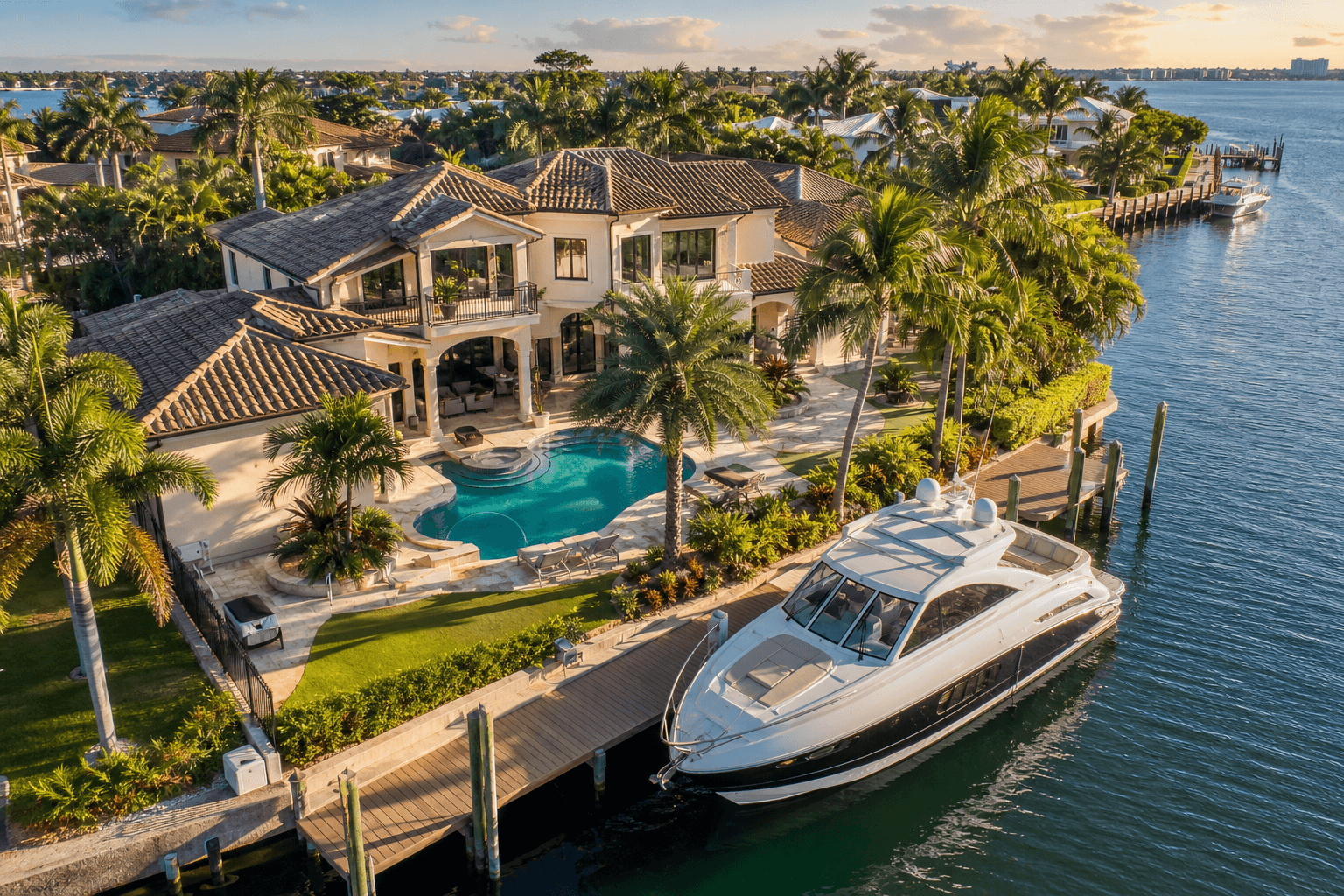
The canal system running through the city earned it the "Venice of America" label, and it holds up. Waterfront access is built into the residential fabric here in a way Miami's density works against. Properties along the canals offer private docks, and the boating infrastructure is among the best on the East Coast. Las Olas Boulevard serves as the social center: a walkable stretch of restaurants, wine bars, and boutiques that operates at a pace more suited to lingering than Miami's club-driven nightlife. Short term rentals in Fort Lauderdale offer direct access to this corridor. The Atlantic coastline promenade offers a long, uncrowded beach strip that stays genuinely enjoyable through March.
For travelers who want waterfront luxury, warm weather, and a social scene that doesn't require a late-night schedule, Fort Lauderdale delivers without the Miami pace.
West Palm Beach and Pompano Beach: Quieter Luxury on Florida's Atlantic Coast
West Palm Beach sits at the northern edge of South Florida's luxury corridor and draws a different traveler than Miami or Fort Lauderdale. The Norton Museum of Art and the Flagler Museum anchor a cultural calendar that runs through winter, while Clematis Street offers a walkable dining and nightlife district without the volume of South Beach. Affluent seasonal residents and corporate travelers make up a large share of winter occupancy here, which shapes the neighborhood character: quieter, more residential, and built around daytime culture and waterfront leisure.
Pompano Beach sits just north of Fort Lauderdale and offers coral reef snorkeling and underwater exploration alongside uncrowded Atlantic beaches. Pricing runs more accessible than neighborhoods to the south without sacrificing waterfront access.
| Destination | Best For | Character |
|---|---|---|
| West Palm Beach | Cultural travelers, seasonal residents | Refined, walkable, museum-anchored |
| Pompano Beach | Beach-focused, value-conscious luxury | Relaxed, coastal, growing food scene |
Property availability and rates vary by neighborhood. Confirm directly before booking.
Outdoor Activities That Define a South Florida Winter
Winter in South Florida rewards activity in a way the season rarely allows elsewhere on the East Coast.
On the Water
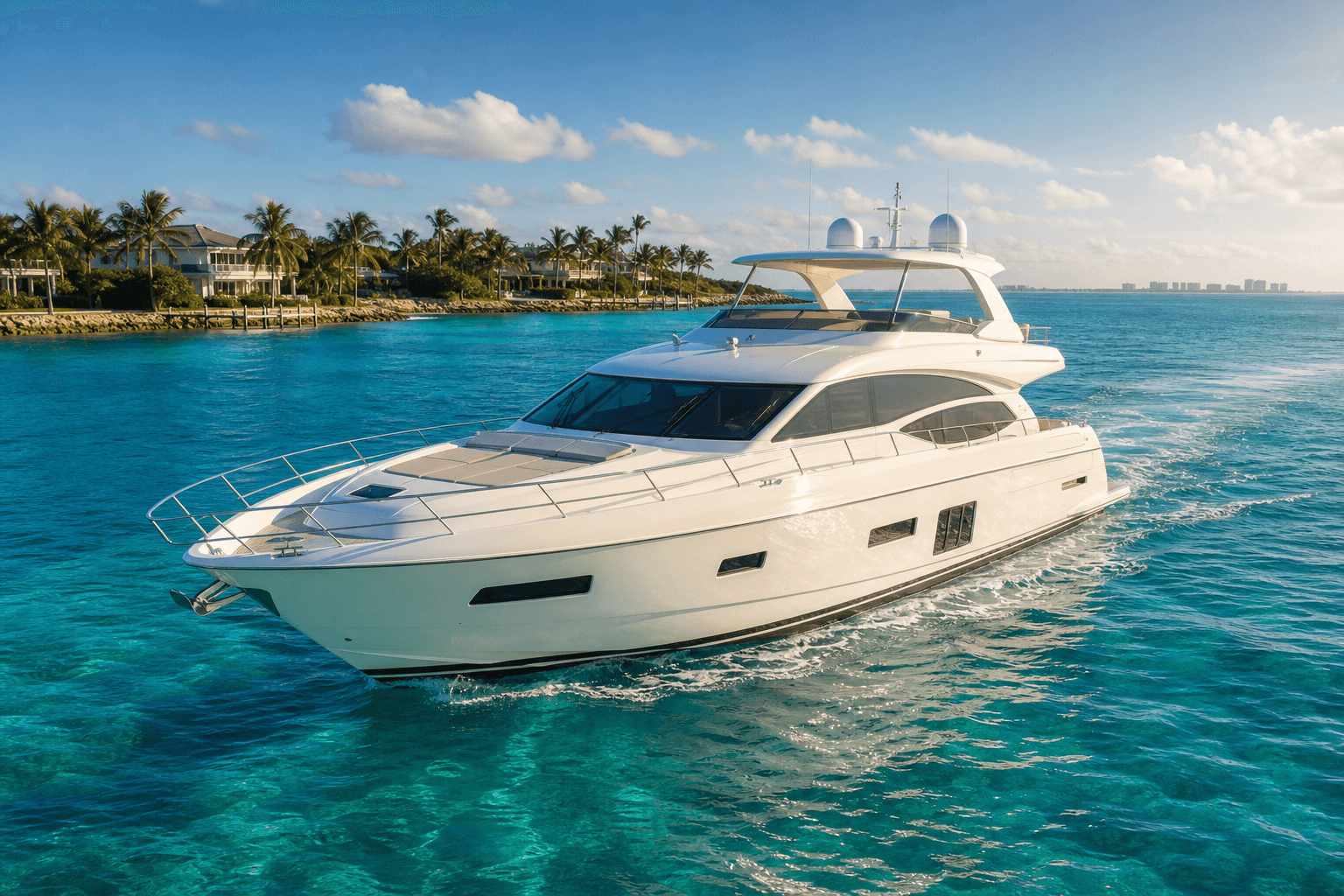
Open-water boating runs year-round here, but winter removes the summer afternoon storms that interrupt longer charters. Yacht charters out of Fort Lauderdale and Miami operate on calm, clear days through March, with sunset sails and offshore excursions that compete with Caribbean itineraries on scenery alone. Deep-sea fishing follows the same logic: January and February bring sailfish, mahi-mahi, and wahoo within range of offshore boats, making South Florida one of the most productive sport fishing windows on the Atlantic coast.
Below the surface, reef systems off Pompano Beach and Fort Lauderdale vacation rentals put those underwater sites within a short boat ride. Water temperatures hold in the low-to-mid 70s, manageable for underwater explorers and snorkelers who would otherwise need the Caribbean to find comparable visibility.
Beyond the Coast
- Everglades airboat tours, kayak routes through mangrove channels, and guided wildlife expeditions run comfortably in winter temperatures that make the experience genuinely enjoyable. For travelers staying multiple weeks, the Everglades adds a category no ski resort or beach island can replicate.
- Golf courses stay in peak condition through April, with tee times far easier to secure than in summer.
- Waterfront dining terraces operate without weather interruption from December through March, a detail that compounds over a month-long stay in ways a weekend trip never reveals.
Why East Coast Travelers Choose a Private Residence Over a Hotel
For a weekend, a hotel suite is straightforward. For a week or a month, the math changes entirely, and so does the experience.
A private residence gives you square footage a hotel room can't match, a kitchen that removes the obligation to eat every meal out, and a private pool that doesn't involve scheduling around other guests. Families or groups traveling together get genuine separation between living and sleeping spaces: a functionally different way to use a destination, well beyond a simple room upgrade.
The cost structure changes too. Five-star hotels in Miami and Fort Lauderdale run $500 to $900 per night in peak winter season, meaning a two-week stay exceeds $10,000 before dining or resort fees. A comparable private residence, booked directly, typically delivers more usable square footage, a private outdoor area, and a genuine neighborhood location at a similar or lower all-in cost once meals cooked at home are factored in.
For travelers staying three weeks or longer, that texture is what makes South Florida feel like a temporary life instead of an extended check-in. Browse Rove Travel's South Florida collection to find residences in Coconut Grove, Las Olas, and Fort Lauderdale's canal neighborhoods.
How to Book and When to Plan a South Florida Winter Stay
Premium South Florida inventory moves fast. Properties around Art Basel in December and the South Beach Wine and Food Festival in February typically fill two to three months out. If you're targeting a specific neighborhood or event window, late summer is when serious planning starts.
For a week-long stay, nightly or weekly rental terms give you flexibility without over-committing. For snowbirds or remote workers staying through the winter, monthly and seasonal options are available across Miami, Fort Lauderdale, West Palm Beach, and Pompano Beach, and often come with better effective rates than stacking shorter stays.
When reviewing properties, the details that matter most over a longer stay are:
- A heated private pool if you're booking for December or January, when water temperatures drop enough to matter
- Waterfront or canal access if boating is part of the plan
- Parking availability, particularly in Miami Beach and Brickell where street options are limited
- Pet policies confirmed before booking, not after
- Walkability to your preferred neighborhood's core, which varies widely between areas like Wynwood and Key Biscayne
The further out you book, the more options remain. Last-minute availability exists, but the best waterfront estates and canal-front homes in Fort Lauderdale are gone well before arrival week.
Rove Travel's South Florida Winter Collection
Rove Travel's South Florida portfolio spans Miami, Fort Lauderdale, West Palm Beach, and Pompano Beach, with waterfront estates, high-rise condos, Art Deco residences, and tropical homes with private pools. Every property is individually vetted before listing, and the portfolio carries a 4.8-star average guest rating and a 74 to 80% direct booking rate.
Booking direct through Rove Travel is typically priced below Airbnb rates, with savings that vary by property and season. On a property that rents for $700 per night, that translates to $35 or more saved per night, or $245 or more over a week-long stay. No broker fees, no hidden charges. Nightly, weekly, monthly, and seasonal terms are available, covering everything from a week around Art Basel to a three-month snowbird stay.
Final Thoughts on Making the Most of a South Florida Winter Stay
South Florida's winter window is short and the best properties go early, but the payoff is real: consistent warm weather, a cultural calendar that punches well above most domestic destinations, and waterfront access that competes with the Caribbean at a fraction of the travel time. For a week or a full season, a private residence gives you the space and neighborhood context that makes the difference between a vacation and a place you actually settle into. See what's available through Rove Travel across Miami, Fort Lauderdale, West Palm Beach, and Pompano Beach, with direct booking rates guaranteed below Airbnb pricing.
FAQ
Should East Coast luxury travelers book South Florida or the Caribbean for a winter escape?
South Florida wins on logistics for most East Coast travelers: a three-hour direct flight from New York versus connections and a half-day of travel to reach most Caribbean destinations. South Florida's dry season runs December through April, with temperatures in the high 60s to mid-70s, consistent beach days, and a winter event calendar (Art Basel, the Miami International Boat Show, the South Beach Wine and Food Festival) that the Caribbean simply does not offer. For a week-long trip or a multi-month snowbird stay, South Florida removes the travel friction the Caribbean requires.
What's the best South Florida destination for a luxury winter rental: Miami, Fort Lauderdale, or West Palm Beach?
The right choice depends on what kind of stay you're after. Miami works best for travelers who want cultural density, a strong restaurant scene, and access to Art Basel or South Beach. Brickell, Wynwood, and the Design District each serve different priorities within the city. Fort Lauderdale suits travelers who want waterfront living with canal-front properties, private docks, and a walkable social scene on Las Olas Boulevard without Miami's pace. West Palm Beach draws a quieter crowd: museum-anchored, more residential, and built around daytime culture and waterfront leisure over nightlife.
How far in advance should you book a luxury South Florida vacation rental for winter?
Book two to three months out if your stay overlaps with Art Basel in December or the South Beach Wine and Food Festival in February, as premium waterfront properties and canal-front estates fill well before arrival week during those windows. For January stays outside the major event calendar, more inventory stays available, but the best-quality homes still move faster than most travelers expect. Late summer is when serious planning starts for the full December-through-April window.
Why do East Coast luxury travelers choose a private South Florida residence over a five-star hotel for winter?
The math changes once a stay exceeds a week. Five-star hotels in Miami and Fort Lauderdale run $500 to $900 per night in peak winter season, putting a two-week stay above $10,000 before resort fees or dining. A comparable private residence typically delivers more usable square footage, a private pool, and a full kitchen at a similar or lower all-in cost once meals prepared at home are factored in. For stays of three weeks or longer, the neighborhood immersion a private residence in Coconut Grove or along Fort Lauderdale's canals provides: a specific block, a regular coffee shop, the rhythm of a place. That is something a hotel room structurally cannot replicate.
How do Rove Travel's South Florida vacation rentals compare to booking through Airbnb for a winter stay?
Booking direct through Rove Travel is typically priced below Airbnb rates, with savings that vary by property and season, plus no broker fees or hidden charges. Nightly, weekly, monthly, and seasonal terms are available, covering stays from a single week around Art Basel to a three-month snowbird arrangement.