How to Find a Short Term Furnished Rental in NYC | October 2026

The comfort of a second home. The convenience of a hotel. The reliability of Rove.
There are an immense number of short-term apartments for rent in New York City. Before Local Law 18 took effect in September 2023, Manhattan had as many as 20,000 short-term rental listings, a number that dropped sharply once the law tightened registration requirements for stays under 30 days. That can still make sorting through your options time consuming and cumbersome.
The short term rental market can get even more difficult when you are looking for furnished housing, especially if you don’t want to be staying in a sublet or Airbnb that lacks privacy or cleanliness. Often times the benefit of a furnished rental over a hotel is the feeling of living in a home, with comfort benefits like a fully equipped kitchen, washer and dryer, or art and furniture that feel purposeful and contribute to a sense of place.
The good news is that, with so many options, there’s a bounty of ways to find the perfect short term furnished apartment for your budget and taste.
This step-by-step guide covers how to get started, where to look, and what to watch out for when searching for short-term rentals in New York City.
TL;DR
- NYC short-term furnished rentals require a minimum 30-night stay under Local Law 18 this makes monthly furnished apartments the most widely available and legally straightforward option.
- Neighborhood selection comes down to three factors: budget (Manhattan averages $5,057/month with variation by area), commute time, and lifestyle fit outer boroughs offer more space at lower prices with solid subway access.
- December through March offers the best pricing and inventory off-peak months see less demand, while June through September brings the highest rents and the tightest supply.
- Short-term rentals fall into three types: individually owned, property management company-operated, and privately owned/operated each with different quality standards, pricing structures, and levels of post-booking support.
- Booking directly through a property management company avoids broker fees and layered costs; companies like Rove Travel offer transparent pricing, vetted homes, and concierge support for 30+ night stays across Manhattan and Brooklyn.
1. How to pick the right neighborhood when looking for a short term lease in NYC?
New York City is made up of over 30 neighborhoods, each with a unique personality, distinguishing features, and rental pricing range. Three important qualities to consider when deciding the right neighborhood: price, neighborhood character, and commuting distance.
Below is a breakdown of the three important tenets of finding your perfect short term rental.
Neighborhood Pricing
Manhattan's average rent reached $5,057 as of February 2026, making it one of the most expensive cities to rent in America. But averages mask a wide range here's a rough breakdown by area:
- Most expensive (Midtown East to Lower Manhattan): Chelsea ($5,462/mo avg), Tribeca ($5,025/mo avg), SoHo, Gramercy, and West Village all popular for nightlife and proximity to central office corridors.
- Mid-range (Financial District, Upper East Side, Upper West Side): Prices cool as you move south of Midtown or north of Central Park. Upper East Side averages around $3,900/mo.
- More affordable Manhattan options: Neighborhoods like East Village popular with NYU students and recent graduates offer central locations at around $3,798/mo.
- Outer boroughs (Brooklyn, Queens, Jersey City): Lower base rents, though neighborhoods like Williamsburg have grown in price as demand has risen.
Keep in mind these averages reflect unfurnished units on 12-month leases. A short-term furnished rental will price higher. A useful starting point: budget 2530% of your post-tax monthly income, and include utilities and wifi in that calculation. If you're in corporate housing, your employer will likely set the budget for you.
Neighborhood Quality
Noise levels and sidewalk traffic are often the first things that register when you arrive in a new neighborhood and for a short-term stay, those qualities carry more weight than they would on a long-term lease. You don't have months to adjust; the environment you choose is the environment you'll live in from day one.
Here's a working guide to how several of New York's most-rented neighborhoods actually feel to live in:
- Midtown (Murray Hill, Hell's Kitchen, Midtown East): High foot traffic, constant noise, and immediate access to offices, theater, and transit. A good fit if you're in the city for work and want a short commute. Expect less greenery and a faster pace.
- Chelsea and Gramercy: A balance of activity and residential calm. Chelsea has a strong gallery and dining culture with tree-lined side streets; Gramercy is quieter, anchored by its private park, and tends to attract a more settled crowd.
- West Village and SoHo: Among the most walkable and architecturally interesting neighborhoods in Manhattan cobblestone streets, cast-iron buildings, and a density of well-regarded restaurants. Both are lively on weekends, though side streets stay relatively quiet.
- Upper West Side and Upper East Side: Calmer and more residential, with direct access to Central Park. The Upper West Side draws a mix of families and academics; the Upper East Side skews toward a quieter, more traditional feel. Both are well-served by express subway lines.
- Brooklyn (Williamsburg, Park Slope, DUMBO): Williamsburg is energetic with strong nightlife and a younger demographic; Park Slope offers tree-lined blocks, Prospect Park access, and a neighborhood- atmosphere; DUMBO has dramatic views and converted warehouse architecture with a boutique dining and art scene.
Beyond the neighborhood itself, think about what you'll actually use on a daily basis: morning coffee, a nearby grocery store, a park for a lunch break. Short-term renters often overweight nightlife access and underweight proximity to the places they visit every day.
If you're new to the city, updated neighborhood guides from sources like The Infatuation or Time Out New York offer a reliable read on what each area is like right now. As they say, the only constant in New York is change.
Selecting the right neighborhood is key. Check out this list of '10 Non-Touristy Things to Do in Brooklyn' to learn about the character of different NYC neighborhoods.
Commuting Distance
Commute time is one of the most practical filters for narrowing your neighborhood search in NYC. Most people will weigh how their home location affects their daily commute, even when other lifestyle factors pull in a different direction.
The good news is that unlike most cities in America, New York City has an extensive subway system, meaning physical geography doesn’t always translate to commuting time.
A good tip is to use Google Maps subway feature, or the City Mapper app, to see how long your commute will take you, as well as distances to other places you plan to frequent (for instance friends and family). Definitely pay attention to time of day during this process, as certain express lines can make daytime commuting a breeze, but aren’t active during nighttime or weekends.
Once you make a list of neighborhoods that fit your price range and convenience factors, you can then filter down by neighborhood character, and specific apartment quality. For instance, certain renters place a high value on pet-friendly accommodations, elevators, or a doorman. Others care a lot about style, preferring high ceilings, exposed brick, or conversely, a very modern look.
Only you will know your style, so make sure to understand what are your deal breakers and what are your soft wants, and filter accordingly during your search.
2.Tips to find the best price for short term rentals in NYC
New York City is consistently ranked among the most expensive cities in the U.S. We put together some tips to get the most for your money when searching for and selecting a short term furnished apartment:
- Best Time of Year To Rent. Both inventory and price of short term leases fluctuate with the real estate market. According to RentHop rental market data, June through September are the busy months for rentals, making December through March your ideal time to take advantage of price drops.
- Book Longer Stays For Better Rates. If your length of stay is flexible, take advantage of the relationship between length of stay and nightly or monthly rate offered. Property management companies like Rove, Sonder, and Blueground, typically reduce the nightly rate the longer you stay, which is especially beneficial if you’re looking for a monthly rental.
- Look For How Fees Are Calculated (Including Hidden Fees). Don't take the first price you see in a search query at face value. Look out for hidden fees and pricing policies! Some rental listings, like Blueground’s, show the cheapest available based on a 12-month lease, meaning your cost will increase with a shorter lease term. Most apartment rentals show you monthly cost before the price of wifi, utilities, taxes, and broker fees are added.
3. What are the types of short term furnished rentals in NYC?
Most short-term rentals in NYC can be sorted into one of three categories: (1) individually owned and operated, (2) individually owned and property management company operated, or (3) privately owned and operated.
It’s important to know who owns and rents your apartment, so you can understand what type of relationship you will have with management and the pros and cons of each in order to find your preferred type of rental.
1. Individually Owned & Operated
Often featured on sites like AirBnb, Facebook Marketplace, and Craiglist, these types of rentals are owned, managed, and posted directly by the landlord or tenant of the space.
Pros: This type of short term rental can offer a competitive price range, given the lack of service fees and direct involvement of the owner or landlord.
Cons: Inconsistent furnishing and amenities with owners oftentimes leaving behind personal belongings. It's to be noted that you’re more likely to run into scams on sites like Craigslist and Facebook Marketplace.
2. Individually Owned & Operated by Property Management Companies
A great option for second-home owners, this model allows the owner of the property to reap the financial benefit of renting the unit, but without the hassle of managing bookings, cleanings, customer service, etc. While the property management company will take a percentage of the guest fees to manage, it’s often worth the tradeoff to avoid the details and hassle of managing the property themselves.
Pros: You get a diverse variety of locations, property types, and amenities with the consistent quality of managed design, cleaning, and service standards.
Cons: Service fees can result in higher price ranges.
Examples: Rove Travel, June Homes, Landing, Blueground
Rove is a full-service luxury property management platform; others in this list vary in service tier and model.
3. Privately Owned & Operated
The closest to a hotel experience, but with the comforts of home, this model means companies are buying out or in complete control of whole floors or buildings and both own and operate the units.
Pros: Economy of scale offers hotel-level quality with the comfort of an apartment. And if you’re open to a roommate, many New York co-living options are perfect for short term rentals.
Cons: Less diversity in product, design, and neighborhood options.
Examples: Sonder, AKA, Furnished Quarters
| Rental Type | Examples | Management Model | Key Advantages | Considerations |
|---|---|---|---|---|
| Individually Owned & Operated | Airbnb listings, Facebook Marketplace, Craigslist | Owner or tenant manages directly, posts independently, handles all operations | Competitive pricing due to no service fees, direct communication with owner, potential for negotiation | Inconsistent furnishing quality, personal belongings may remain, higher scam risk on some platforms, variable amenities |
| Individually Owned & Property Management Companies | Rove Travel, June Homes, Landing, Blueground | Individual owners provide property, professional company manages bookings, cleaning, service, design standards | Diverse locations and property types, consistent quality standards across portfolio, professional cleaning and service, vetted design and amenities | Service fees typically range 3-12% for guests, pricing may be higher than direct rentals due to management costs |
| Privately Owned & Operated | Sonder, AKA, Furnished Quarters | Company owns or controls entire floors or buildings, operates all units directly | Hotel-level consistency and quality, economy of scale benefits, apartment comfort with hotel amenities, co-living options available | Less diversity in design aesthetic, fewer neighborhood options, limited property type variety |
4. Details to Consider in a Short Term Furnished Rental
Even with narrowing in on your preferred neighborhood, price range, and type of short term rental, there will still be an overwhelming number of options for your final selection. That’s where the final details of (1) amenities, (2) interior design, and (3) fee structure can help you pick your perfect place.
1. Amenity Selection
A key reason guests are drawn to short term rentals over extended-stay hotels is for the creature comforts of home. Each rental, whether offered through an owner or a property management company, will have a unique set of amenities that could make or break your experience in New York City. From fitness center access to the type of coffee maker in the unit, be sure to look at all the amenities offered and pick a rental that will make you feel most a home.
2. Interior Design
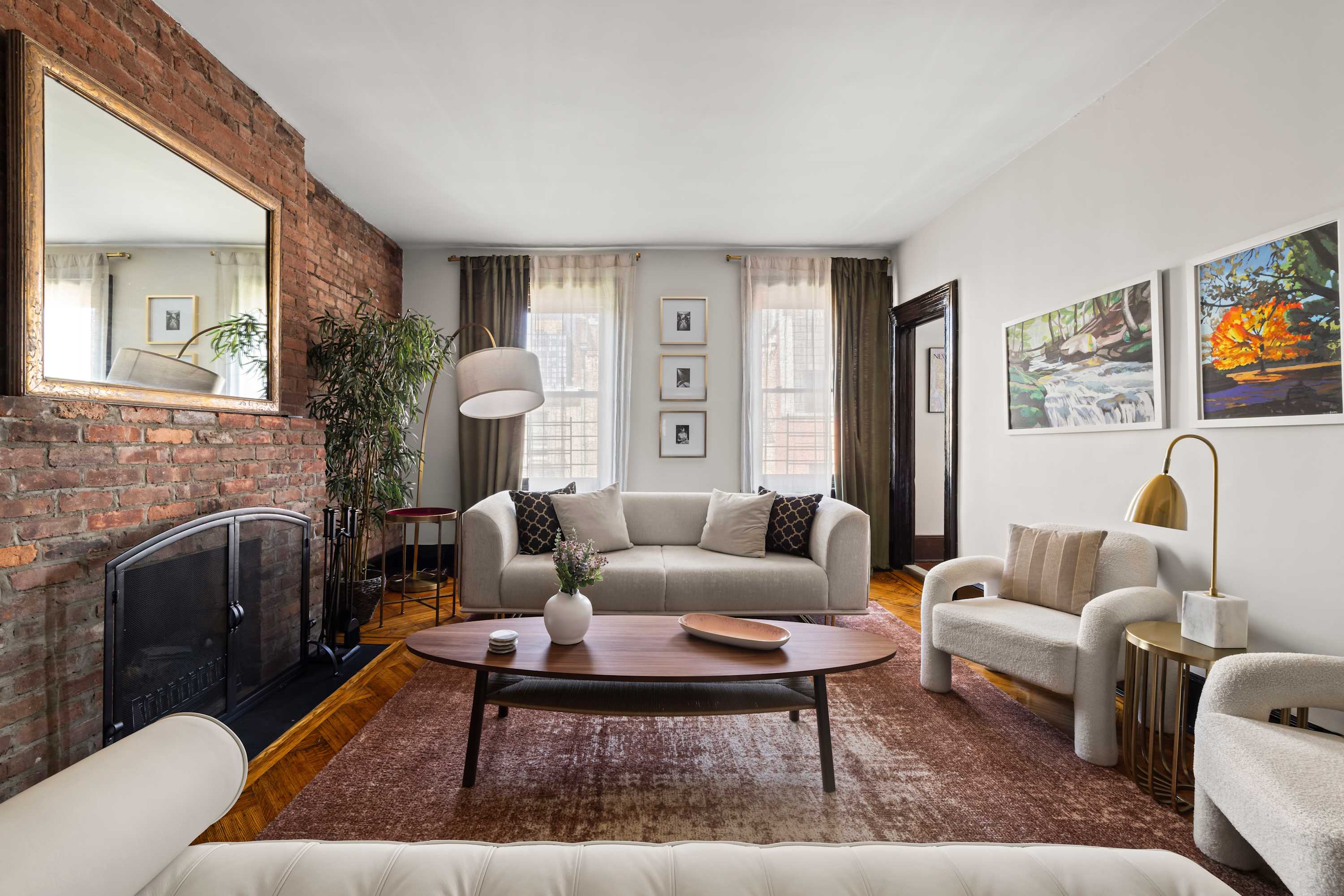
Design quality has a direct effect on how comfortable and at-home you feel, especially during a longer stay. Before committing to a rental, think about the aesthetic that suits your daily habits: a minimal, light-filled space with clean lines works well for someone who wants calm and focus, while a warmer palette with layered textiles and natural materials can feel more restorative after a long workday.
When reviewing listings, look beyond the hero photo. Check whether the design is consistent across rooms a well-curated home will show the same level of attention in the bedroom and bathroom as in the living area. Signs of intentional design include purpose-built furniture arrangements, cohesive lighting choices, and art that relates to the space filling wall space. Conversely, watch for mismatched furniture styles, bare bulbs, or staging that looks like it was assembled from a storage unit. These are common indicators that the listing photographs better than it lives.
Property management companies with in-house design teams tend to replace furniture on a regular cycle, which means cushions, mattresses, and upholstery are unlikely to show wear from previous guests. Individually owned rentals can be well-designed, but owners may defer replacements due to cost, so the photos for worn upholstery, dated fixtures, or equipment that looks well past its useful life.
If design quality matters to you, filter your search toward companies that publish interior photography from multiple rooms, a single showcase shot. A few extra minutes spent reviewing the full photo set will give you a much more accurate picture of what to expect on arrival.
Get Rove's tips on finding the perfect 'Pied-à-Terre for an Extended Stay' for your next stay.
3. Fee Structures
Be sure to check for wifi, utility, furniture, and amenity fees when pricing each rental. If they don’t explicitly say ‘included’ you may end up with a surprise charge at the end of your rental period that you weren’t expecting.

5. The best places to find a short term furnished rental in NYC
There are two ways to start your search: through an aggregated source or directly.
1. Aggregated Source
When wanting a site that shows an aggregated list of short term furnished rental options, our recommendation is Airbnb. It allows for filtering by neighborhood, amenities, and price, and shows options within all three of the above categories, providing the widest array of choices that align with your search criteria.
Other good options include RentHop, StreetEasy, LeaseBreak, VRBO, LineCity, PropertyClub, Plumguide, and Frēlē.
2. Direct Bookings
When searching directly, it’s important to have an idea of each offering before entering. Companies like Rove Travel focus on reliability, high-end amenities, and ergonomic workspaces. Blueground balances flexibility and style. Sonder takes over entire buildings or floors to offer hotel amenities without hotel formality. And roomrs uses a co-living model to entice younger renters with lower costs without sacrificing amenities. Direct booking sites are the best option for transparent prices and lower fees. And some sites like Rove have teams ready to help you find the best match in their portfolio.
Bonus: Looking for Luxury? AirBnb has a diverse range of options, including luxury offerings. If you’re seeking an easier search approach, try Plumguide or head to Rove’s website. Rove specializes in luxury short term rentals and has inventory in an array of neighborhoods with premier amenities and services.
How Rove Travel Simplifies Finding Your NYC Short Term Rental
Rove operates NYC's largest curated marketplace for luxury monthly rentals, with over 200 homes across Manhattan and Brooklyn. Every residence is vetted before listing, which means no mismatched photos, no missing amenities, no surprises at check-in.
Each home comes fully furnished with high-quality linens, chef-grade kitchens, workspaces, and in most cases in-unit laundry. You arrive and start living. Pricing is transparent with an additional 3-10% savings when you book directly. No broker fees, no layered deposits, no hidden costs.
The 24/7 concierge team handles everything from pre-arrival questions to maintenance requests throughout your stay. The booking process takes minutes, not weeks. All Rove rentals operate within the 30+ night regulatory framework, giving you flexibility without compliance risk.
Intention + reliable information are the keys to success
By identifying what you want out of the space and surrounding area, knowing your budget, and using reliable sources to assess your options, you’ll be well on your way to finding a short term furnished rental in New York City that meets your needs. Browse current listings on Rove's site to see what's available for your dates.
Now that you know how to find the perfect short-term rental, it's time to get to know and love NYC. Check out '10 Non-Touristy Things to Do in NYC' for unique experiences in the city.
Looking for short term rentals in NYC? Check out Rove Travel to get started today.
FAQ
How short can a short-term furnished rental be in NYC?
Most short-term furnished rentals in NYC require a minimum stay of 30 days due to local regulations. Stays under 30 days face strict registration requirements and occupancy limits, making 30+ day rentals the most practical and widely available option.
Which NYC neighborhood should I choose for my short-term rental?
Your ideal neighborhood depends on three factors: budget (Manhattan averages $5,057/month with variation by area), lifestyle preferences (quiet vs. busy), and commute time to work or frequent destinations. Outer boroughs like Brooklyn and Queens offer more space at lower prices while maintaining good subway access.
When is the best time to rent a short-term furnished apartment in NYC?
December through March typically offers the best pricing and availability, as these are off-peak months for NYC rentals. June through September see the highest demand and prices, so booking early or choosing shoulder seasons can reduce your costs.
What's the difference between property management companies and individually operated rentals?
Property management companies like Rove Travel provide consistent quality standards, professional cleaning, 24/7 concierge support, and vetted amenities across their portfolio. Individually operated rentals may offer competitive prices but vary widely in furnishing quality, amenities, and post-booking support.
Does Rove Travel charge broker fees for short-term rentals?
No, Rove Travel does not charge broker fees. Booking directly on RoveTravel.com offers transparent pricing with an additional 3-10% savings compared to third-party platform rates. No broker fees, no layered deposits, no hidden costs.