How to Find the Perfect Pied-à-Terre for Your Next Vacation (June 2026)

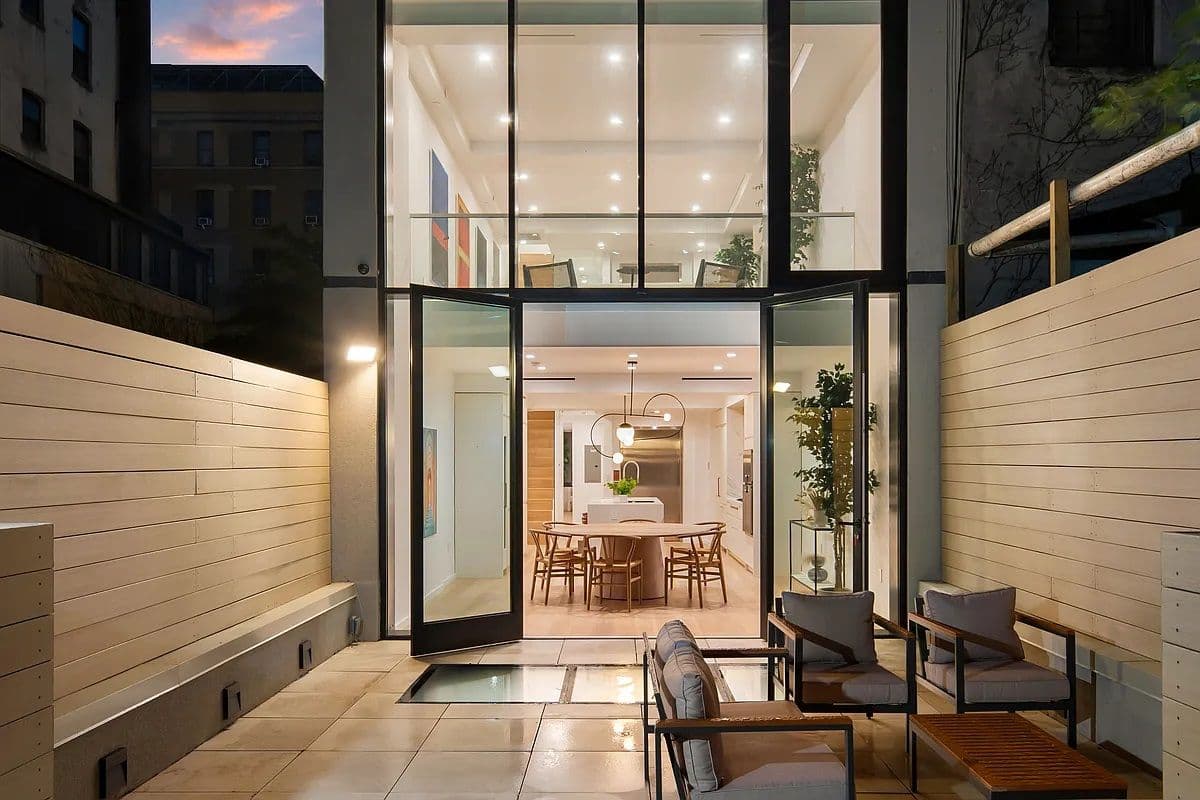
How to Find the Perfect Pied-à-Terre for Your Next Vacation
A pied-à-terre is a modestly-sized apartment or studio that serves as a secondary or temporary home, not a primary residence. Families increasingly use them for extended stays of 30 nights or longer during home renovations, corporate relocations, work assignments, trial periods in a new city, and extended holiday visits with relatives. Vacation use sits alongside these scenarios as a secondary case. Rove Travel operates curated rentals across four U.S. markets: New York City, the Hamptons, South Florida, and Aspen. In this article, you'll learn the benefits of choosing a pied-à-terre for an extended stay or investment use, and how to find one that fits your needs.
Key Takeaways:
- A pied-à-terre gives you a recurring home base in destinations you visit regularly, building familiarity without nightly booking uncertainty.
- Curated rentals bridge ownership and hotels, offering residential consistency without maintenance costs or capital requirements.
- 30+ day stays in NYC unlock 15-35% discounts over nightly rates. For a residence that books at $300/night short-term, a 30-day stay at $6,300 ($210/night) saves $2,700 versus booking nightly, a 30% reduction that adds up across relocations, renovations, and seasonal stays.
- Professionally managed residences maintain unified service standards with 24/7 support, unlike peer-to-peer platforms with variable quality.
- Rove Travel curates vetted residences across New York City, the Hamptons, South Florida, and Aspen, with a 15% all-in management fee that sits well below the 20-30% industry standard, plus 24/7 concierge support.
Definition of Pied-à-Terre
Before we get into why exactly you'd want to search for one, let's define what a pied-à-terre is. Pied-à-terres are small apartments or studios that are either a homeowner's secondary home or temporary residence. It’s a French phrase that literally means “foot on the ground”. You can usually find them in popular cities or places that tourists frequent, and they are designed to provide anyone who stays with both comfort and convenience while they get to know the neighborhood and surrounding areas.
You'll find them concentrated in cities with global appeal as financial and cultural hubs. In New York City alone, approximately 75,000 units are classified as pied-à-terre or temporary residences, representing about 2.1% of the city's total housing inventory as of 2017. In the U.S., Rove Travel focuses on four such markets: New York City, the Hamptons, South Florida, and Aspen.
Learn more about the meaning of 'pied-à-terre', a term that is commonly used to describe a second home.
Pied-à-terres have become increasingly popular and trending over the last few years, with contract signings up seven-fold from their pandemic low and roughly 70% from pre-pandemic levels as people become interested in new destinations and want to integrate themselves into new cities and their respective cultures without committing to a long-term lease or the expense of a hotel stay.
A pied-à-terre provides an all-in-one perfect solution, giving guests a little home that is both affordable and flexible for their needs.
One of the main benefits that come with choosing a pied-à-terre for your stay is the ability to truly live like a local, even if only part-time. Hotels can feel impersonal and sterile with standardized cut-and-paste furniture and their lack of wit and charm. But a pied-à-terre is often located in a residential area, giving visitors the opportunity for them to immerse themselves in the neighborhood's and community's culture while experiencing the city from a resident's perspective. Browse Rove Travel's New York City residences
Another advantage of a pied-à-terre is the flexibility it provides. Whether you're visiting for a weekend or an extended stay, a pied-à-terre comes with the option to be rented for as long or as short a period as you need. This is especially useful if you're unsure of your travel plans and want to keep your options open. Say you're planning for multiple friends and family to meet you for the next few years, but you're not sure what everyones' schedules are yet, although having the place would provide some security that you'll know where you'll be. This makes a pied-à-terre apartment an attractive option.
Many pied-à-terre apartments are also fully furnished and equipped with all the amenities you need to feel at home, including a kitchen, laundry facilities, and comfortable living spaces - and sometimes even a concierge, doorman, or penthouse unit. Consider this a huge advantage if you're traveling with family or friends, since it allows you to spend time together in a setting that's both comfortable and private.
A pied-à-terre can also be a smart investment for frequent travelers who return to the same city year after year. Consider a Manhattan resident who spends three months in Paris annually. Instead of paying for hotels or short-term rentals on every trip, costs that add up quickly, a pied-à-terre gives that traveler a permanent base in Paris, saving both time and money over the long run.
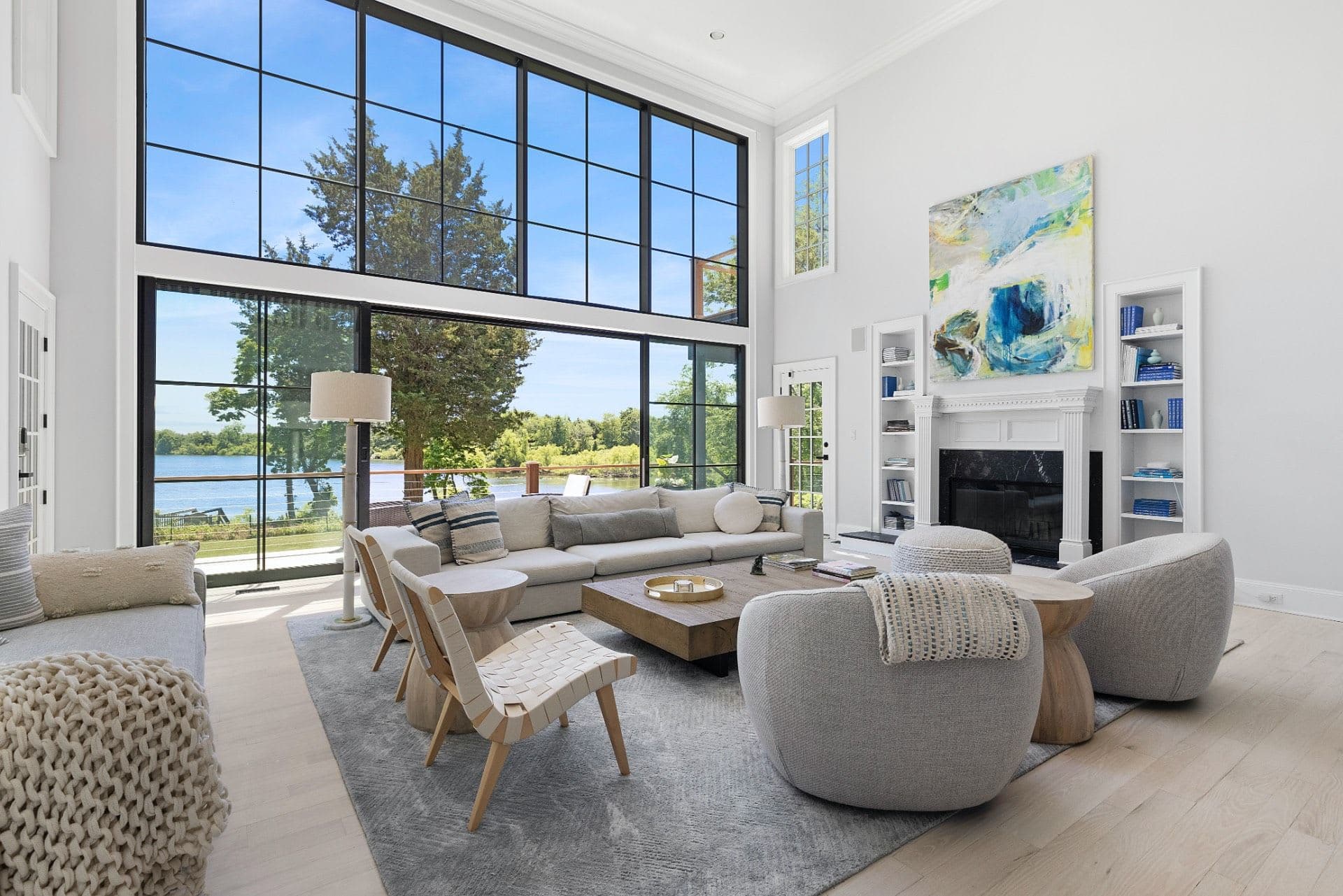
Benefits of Pied-à-Terre Accommodations
Whether you're relocating for a few months, riding out a home renovation, working a temporary assignment, or visiting family for a long stretch, a pied-à-terre gives you a residential base instead of a hotel room. The same setup works for vacation use. Here are the practical reasons families and long-stay travelers choose pied-à-terre rentals:
1. Affordable Option
The cost savings can be a make it or break it decision when it comes down to deciding whether a pied-à-terre is the best option for you. While some may initially assume that these types of accommodations are more expensive than hotels since they are admittedly less common picks among travelers who want a familiar and easy place to stay, this is not always the case. In fact, many pied-à-terres offer competitive pricing, which can especially be economical for longer stays. You'll find that cooking your own meals in the fully-stocked kitchen and doing your own laundry without having to find laundromat can save you money and the hassle.
2. Privacy and Space
Pied-à-terre properties have privacy and space that hotel rooms often don't have because they are typically more exclusive residences with additional amenities. They often are designed with separate living areas, bedrooms, and amenities in residential buildings, which means that those who stay have more space to lounge around and aren't crammed in one room with nowhere else to go. They are also particularly beneficial options for extended stays, offering a more home-like environment compared to standardized and cookie-cutter hotel rooms.
3. Cultural Immersion
Privacy and convenience is one of the biggest reasons that people choose pied-à-terres, but the unique and authentic experience you'll have really sets it apart from vacation rentals and hotels. Many pied-à-terres are located in historic buildings or neighborhoods, giving you more than a glimpse into the local culture and history of the area. It's fascinating to see the things that more quotidian folks see while experiencing their way of life the way they would themselves. No need to ask a guide when you can see it all for yourself, steps away from your door!
Finally, staying in a pied-à-terre can provide a sense of community. Many of these accommodations are located in residential areas, allowing you to interact with locals and experience the area as a resident, not a tourist. This can lead to unique and memorable experiences that you may not have had otherwise.
4. Flexibility
Stay length flexibility varies by market. In New York City, local regulations require a 30-night minimum for furnished rentals, which fits naturally with the extended-stay use cases most families have anyway: renovations, corporate relocations, work assignments, or extended visits with relatives. Typical NYC bookings run 30 to 90 nights, with some guests staying a full season.
In the Hamptons, summer rentals often follow Memorial Day to Labor Day patterns, with monthly and seasonal bookings most common, though shorter weekly stays are available shoulder season. South Florida sees a mix of weekly winter escapes and multi-month snowbird stays from November through April. Aspen splits between ski-season weekly rentals (December through March) and quieter summer monthly stays.
Across all four markets, check-in and check-out are coordinated with a concierge instead of being locked to fixed hotel-style times, so arrival and departure can flex around travel schedules. A pied-à-terre keeps the comforts of home while giving you a real base in the neighborhood.
Look into choosing a pied-à-terre for your next vacation - privacy and convenience, cost savings, and a sense of community are the biggest reasons people are huge advocates of them.
| Feature | Pied-à-Terre | Hotels | Traditional Vacation Rentals |
|---|---|---|---|
| Privacy and Space | Separate living areas, bedrooms, and full residential amenities in exclusive buildings with private entrances | Single room with limited space, shared hallways, and public common areas | Varies widely, often shared properties or basic furnished spaces without luxury standards |
| Kitchen and Dining | Fully-stocked chef-grade kitchen with premium appliances, cookware, and the ability to prepare all meals at home | No kitchen facilities, reliance on room service or restaurants for every meal | Basic kitchen equipment, inconsistent quality, may lack some cookware or appliances |
| Cost Structure | Competitive monthly or extended-stay rates with potential 15-35% savings over nightly bookings, no daily service fees | High nightly rates with additional resort fees, parking charges, and expensive on-site dining | Variable pricing with often hidden cleaning fees, service charges, and inconsistent value |
| Cultural Immersion | Located in residential neighborhoods, shop at local markets, interact with community members, experience authentic daily life | Tourist-focused locations, transactional interactions, limited exposure to local culture and customs | Depends on location and host involvement, often lacks curated local experiences and guidance |
| Flexibility | Rent for weekends, weeks, months, or seasons with flexible check-in and check-out, personal schedule freedom | Fixed check-in and check-out times, limited flexibility for early arrival or late departure | Variable policies depending on owner, may have strict minimum stays or inflexible booking terms |
| Amenities | In-unit laundry, workspaces, concierge services, doorman, sometimes penthouse features and premium furnishings | Housekeeping and concierge available but standardized across all guests, limited personalization | Inconsistent amenities, no guaranteed service standards, self-service for most needs |
| Investment Potential | Can serve as rental income property when not in personal use, building equity in desirable locations | No ownership or investment opportunity, pure consumption expense | If owned, potential for rental income but requires active management and marketing efforts |
The New York City Pied-à-Terre Tax: What Buyers Need to Know in 2026
If you're considering a New York City pied-à-terre, the tax math changed on July 1, 2026. New York State enacted a city surcharge on non-primary NYC residences (the "PAT Tax") as part of the 2026–2027 state budget. The law runs through June 30, 2031, and applies retroactively to obligations from January 1, 2026 forward. Primary residences are not affected, even if the owner holds multiple homes.
Phase 1 thresholds (July 1, 2026 through June 30, 2028):
- One- to three-family homes with a market value of $5 million or more are taxed at 0.8% ($5M–$15M), 1.05% ($15M–$25M), or 1.3% (over $25M).
- Condominium and co-op units with a Department of Finance assessed value of $1 million or more are taxed at 4% ($1M–$3M), 5.25% ($3M–$5M), or 6.5% (over $5M). Lawmakers argue the $1M assessed value reflects roughly $5M market value given how DOF has historically assessed these properties.
Phase 2 thresholds (July 1, 2028 through June 30, 2031): A new comparable-sales valuation method kicks in for condos and co-ops, and the threshold resets to $5 million market value across all property types, taxed at the same 0.8%–1.3% rates used for one- to three-family homes in Phase 1. Sources: Holland & Knight alert on the PAT Tax and Cole Schotz analysis of the pied-à-terre tax.
How to Stay Below the Tax Thresholds
If you want a New York City foothold without triggering the surcharge, you have a few practical paths:
- Buy a sub-threshold unit during Phase 1. A condo or co-op with a DOF assessed value below $1 million falls outside Phase 1 entirely. Many smaller studios and one-bedrooms in non-prime neighborhoods still sit under that line, though the threshold rises to $5 million market value in Phase 2, which will pull more properties in.
- Confirm primary-residence status where it applies. Units occupied by the owner's immediate family as a primary residence are exempt, as are units leased to a full-time tenant under a bona fide arm's length lease of at least one year. The Department of Finance issues annual notices to owners it believes are subject to the tax; owners have a window to submit proof of primary residence.
- Rent a pied-à-terre instead of buying one. The PAT Tax is a property tax surcharge on owners. Renters do not pay it. For families who only need a NYC base for 30 to 90 nights at a stretch (renovations, work assignments, extended visits, or seasonal stays), renting a furnished residence sidesteps the surcharge entirely while keeping every benefit of a residential pied-à-terre.
Rove Travel's curated New York City residences are built for exactly this use case: 30+ night stays in vetted, professionally managed apartments with 24/7 concierge support, no property tax exposure, and none of the capital lock-up that comes with ownership. See Rove Travel's NYC pied-à-terre residences.
Steps for Finding the Perfect Pied-à-Terre
Are you planning a trip to a new place and looking for a comfortable accommodation to stay? A pied-à-terre might just be just what you need. A pied-à-terre is sometimes a one-bedroom or studio apartment, typically a temporary residence that is used as a second home or vacation rental. Travelers who want a home while getting familiar with a new city would find this to be an incredibly ideal option, and they can be condominiums, townhouses, co-op buildings, or other types of buildings. You also don’t have to be a billionaire - they’re not exclusive to foreign buyers looking for a terre purchase in Central Park with a mansion tax.
Consider Short-Term Leasing
Short-term leasing is one of the easiest ways to find a pied-à-terre. Many landlords and property owners offer tenants temporary leases to stay at their properties, which is a great option for anyone who might want a flexible and affordable place during their time away from home.
For short-term leasing or even subletting options, you may want to have a good idea of your budget, the length of your stay, and the location of the property, which will immensely help in beginning stages of your search. Some properties provide amenities such as Wi-Fi, laundry facilities, and parking - which can make your stay for more comfortable. Always read over the amenities that are included, and if they aren't listed you can always ask to make sure that the property will have exactly what you need.
Use Local Resources
Another great way to find a pied-à-terre is to tap into local resources such as real estate agents, property managers, and sometimes even vacation home or rental websites including Streeteasy to read the real estate market most easily. These resources will provide a wide range of options to choose from, as well as a handful of valuable information about the spot you're visiting to dig deeper into the history and local charm of the area.
When working with these resources, be sure to ask lots of questions about the properties you're considering. What amenities do they offer? What is the neighborhood like? What are the rules and regulations for renting the property? Once you get a pulse of the area and its little quirks, you'll most likely have what you need to make an informed, confident decision about where exactly you might like to stay during your trip best.
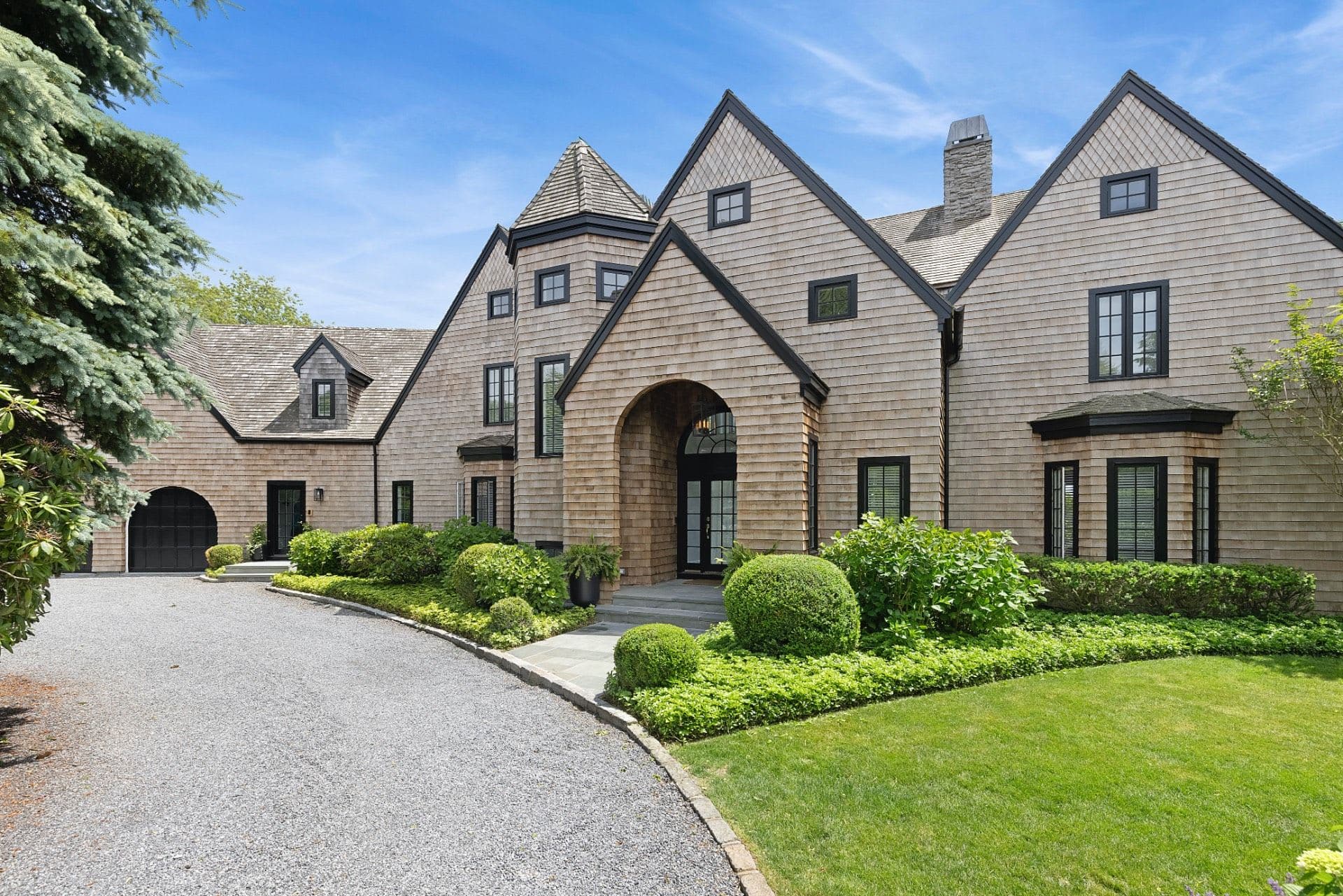
Get to Know the Neighbors
Narrowing down your list of potential pied-à-terre options can be tough, but talking to community members and learning about the neighborhood can help you decide what sticks best. This can be a great way curate your experience and find things to do that you might want to do during your stay. It will help you get a better sense of what it would be like to live in the area - patronizing certain restaurants, bars, or stores - as well as whether it's a good fit for your needs and preferences.
Taking a walk around the neighborhood or chatting with the property owner or manager could be a great way to get a lay of the land and learn about longtime establishments or must-visit places to check out. Using social media can also be a great tool. Instagram, TikTok, and Twitter are great places to look for articles or posts by people who live exactly where your pied-à-terre is located.
Finding the right pied-à-terre takes some upfront research and planning, but the effort pays off when you land on a place that fits your routine.
See Rove Travel's curated pied-à-terres. Whether you're planning an extended stay or a shorter visit, our collection offers vetted residences across New York City, the Hamptons, South Florida, and Aspen. Our concierge team is available 24/7 for personalized assistance from booking through checkout.
As you begin the process of finding the right city base, atmosphere and design matter as much as location. Read Rove Travel's guide to creating a pied-à-terre for practical tips on tailoring your second home to your style and routines.
Once your home base is set, step past the usual tourist circuit and get into the local culture. Rove Travel has compiled 10 insider experiences in NYC that let you live like a local and find some of the city's best-kept spots.
Brooklyn is full of eclectic charm and a rich history, and reflects the diverse spirit of New York. Rove Travel has put together 10 hidden treasures in Brooklyn to round out the local side of your stay.
If you're dreaming of a second home in the peaceful beauty of The Hamptons, check out the top spots in The Hamptons, a gorgeous mix of chic seaside glamour and country charm that makes for an incredible city escape. It’s the perfect place for a holiday home!
FAQ
What qualifies as a pied-à-terre?
A pied-à-terre is a small apartment or studio that serves as a secondary or temporary residence, not a primary home. These properties are typically located in popular cities or tourist destinations and are designed to provide comfort and convenience for part-time stays.
How long can you rent a pied-à-terre?
Stay length depends on the market. In New York City, regulations require a minimum of 30 nights for furnished rentals, which aligns with most extended-stay use cases like relocations and renovations. In the Hamptons, South Florida, and Aspen, durations range from a few nights to several months or full-season stays. Confirm the rules in your target market before you book.
Are pied-à-terres more expensive than hotels?
Pied-à-terres often offer competitive pricing compared to hotels, especially for longer stays. When you factor in the ability to cook your own meals and do laundry in-unit, the overall cost can be significantl lower than extended hotel stays with dining and service fees.
How do I find a pied-à-terre for rent?
You can find pied-à-terres through short-term leasing platforms, vacation rental websites like Rove Travel, real estate agents, and property managers who specialize in furnished rentals. Starting your search early and clearly defining your budget, location preferences, and amenity needs will help the process move faster.
What makes a pied-à-terre different from a hotel room?
Unlike hotels, pied-à-terres offer separate living areas, full kitchens, in-unit laundry, and a residential neighborhood setting that allows you to live like a local. You gain privacy, space, and the authentic experience of being part of a community instead of a transient guest in a commercial district.