Exploring the Meaning Behind the French Phrase 'Pied-à-Terre: October 2026

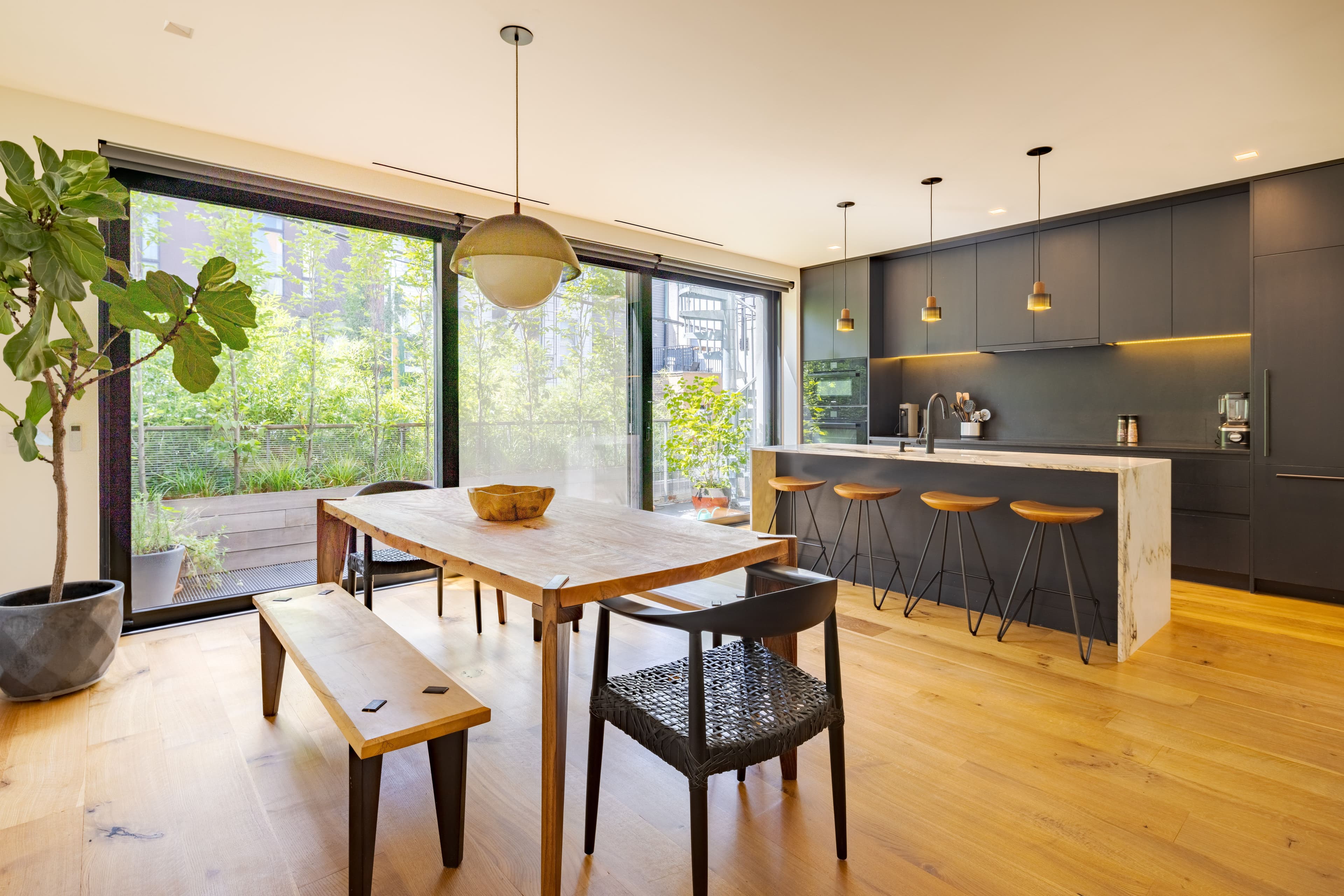
The comfort of a second home. The convenience of a hotel. The reliability of Rove.
Uncovering the Meaning of Pied-à-Terre
If you frequently travel to a particular city and find yourself longing for the comforts of home, consider a pied-à-terre. The French term translates literally to "foot on the ground" and refers to a secondary residence used for occasional stays. A pied-à-terre (plural: pieds-à-terre, pronounced roughly pyay-ah-TAIR) is typically a small apartment or condominium, often used part of the year or part of the work week, by someone whose primary residence is elsewhere. Below, we cover the origins of the concept, why people own one, the property types available, and the costs involved.
TLDR: Key Takeaways
- What it is: A pied-à-terre is a secondary residence in a city where you don't live full-time, providing the privacy and comfort of home for occasional stays without requiring permanent relocation.
- Why consider one: Frequent travelers gain convenience and flexibility, avoid hotel costs, and can generate rental income when the property sits vacant.
- Property types: Options range from high-rise condos with concierge services to townhouses with private outdoor space and converted loft spaces with distinctive character.
- Cost reality: Beyond the purchase price, budget for maintenance fees, property management (or time if self-managing), local permits, and tax obligations that vary by jurisdiction.
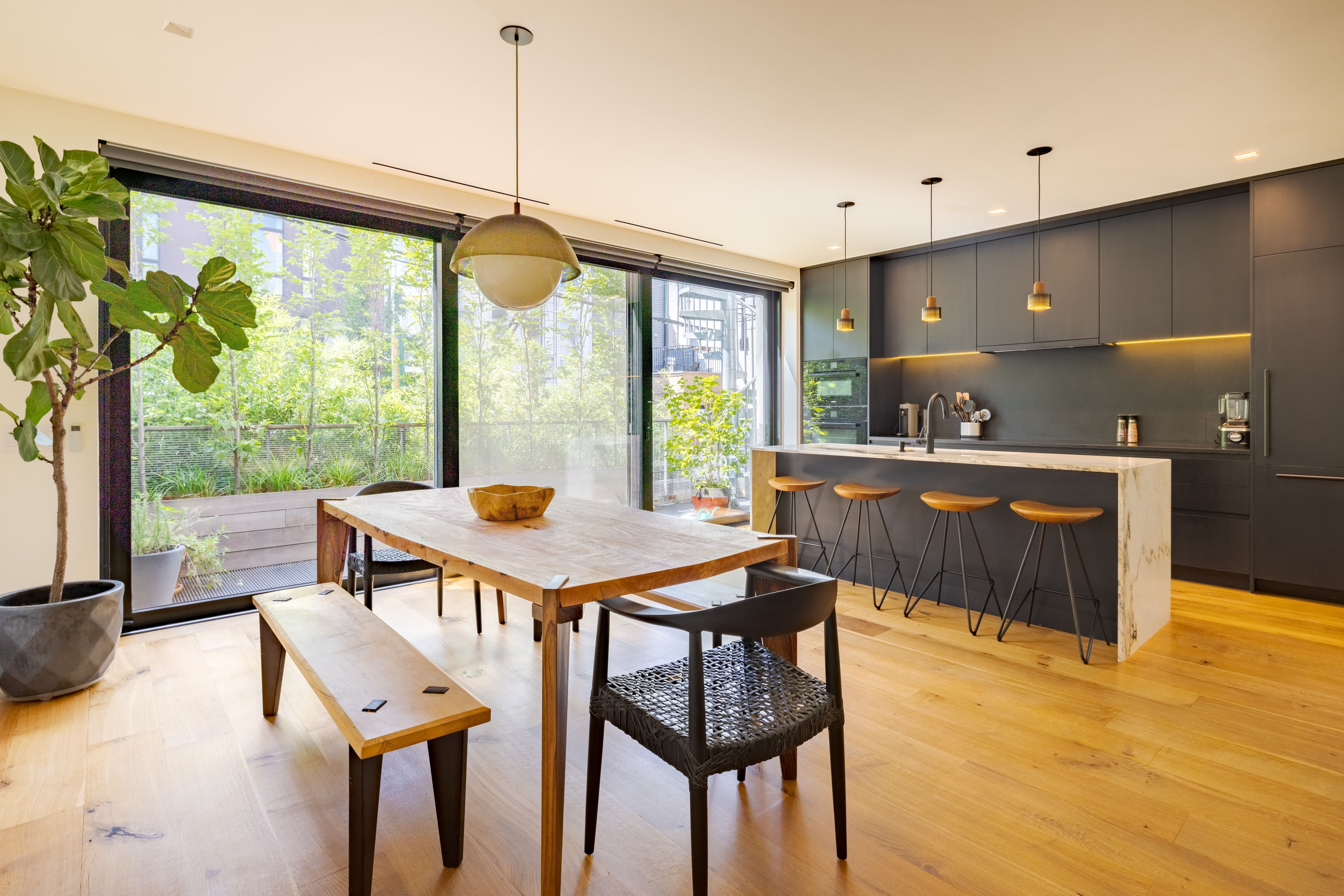
The Origins of Pied-à-Terre
Your word of the day, the term "pied-à-terre," is a French phrase which directly translates to "foot on the ground." This essentially means that the property is used as a temporary residence and not the owner’s primary residence. While its origins are French, the concept has spread worldwide and is now used in several cities across the globe.
The French Connection
A pied-à-terre initially referred to a secondary residence in France, typically in Paris, where having dual properties and living between the two was considered the epitome of luxury living. However, owning a pied-à-terre was both a status symbol and a strategic investment that offered several useful benefits to homeowners who frequently alternated living between the two.
For instance, a pied-à-terre in Paris might give you the opportunity to grab fresh crusty baguettes around the corner, see the latest up-and-coming artists at Perrotin gallery or the Palais de Tokyo museum, and attend remarkable theater and concert performances that are acclaimed worldwide, without having to worry about the additional cost of accommodation each time you visit. Or in Manhattan, you might be steps away from Central Park and close enough to cultural institutions like the Guggenheim in the Upper East Side, but only a short ride away to Midtown for business.
For business travelers, owning a pied-à-terre means having a dedicated place to conduct meetings or attend conferences, knowing exactly where you're headed each time after landing at the airport, without the added friction of finding somewhere suitable to stay.
Take Tokyo as an example: if you have business partners or clients there, a pied-à-terre lets you extend your trip each quarter and see the city beyond the conference schedule. You might even catch sakura season next spring.
The term then evolved to include other metropolitan cities across the globe, like New York City, London, and Tokyo, where many hot spots have come up that are known internationally for their cultures, stores, restaurants, and activities. In these cities, owning a pied-à-terre can be a luxury, but it's evidently become a practical solution for those who frequently travel for business or pleasure.
Evolution of the Term
Today, owning a pied-à-terre is no longer limited to the wealthy. The rise of the sharing economy, including mainstream platforms such as Airbnb and HomeAway, have made it easier for people to rent out their second homes as pied-à-terres to travelers and tourists. This has made pied-à-terres more accessible to a wider range of people, to middle-class professionals and frequent travelers, and has also given homeowners an opportunity to earn extra income.
If you're looking to rent out your pied-à-terre, Rove is a full-service luxury property management platform for New York City's finest homes. This completely hands-off property ownership with large monthly upside can be the perfect solution for you.
The shift to remote work in recent years brought about a lasting change in how people use second homes. Remote and hybrid work arrangements remain common among major companies, making dedicated workspaces one of the most sought-after features in second homes. This allows owners to work from their pied-à-terre just as they would from their primary residence or office.
The concept of pied-à-terre has since come a long way from its origins in France and evolved into a familiar concept in different countries and respectively their many cities that see high tourist traffic - think the biggest global cities in the world. It has become a practical solution for those who frequently travel for business or pleasure, and it's now also become more accessible to a wider range of people over time.
The Purpose of a Pied-à-Terre
City Living for the Part-Time Resident
A pied-à-terre offers the perfect solution for those who live outside the city but need to frequently travel to it for work or other activities. Often located in the heart of the city, a pied-à-terre usually gives residents easy access to all the city has to offer.
Imagine this: after a long day of meetings or seeing the city, you have a comfortable and familiar space to return to, not a run-of-the-mill hotel room with tiny toiletries. The privacy and space that a pied-à-terre provides also gives you an opportunity to truly relax and unwind after a busy day in the city. Waking up just steps away from your favorite brunch spot or local bar in your favorite part of town is a huge perk of owning a second property in another location.
You can get to know your neighborhood and develop an intimate knowledge of another city that is not your primary residence at the local joints, parks, or even block parties and street fairs unique to the area. Big cities often have enclaves that contain cultural centers, religious institutions, community gardens, and city-organized events in public spaces that are perfect if you're looking to integrate yourself in your new city and debating the value of the property.
A pied-à-terre is often seen as a smart financial investment. Instead of spending money on hotels every time you visit the city, you can own a space and potentially rent it out when you're not using it. This can provide a source of passive income and help offset the cost of the property. Many choose to consider this option and book their primary source of tenants via short term vacation rental platforms or agencies, which provides flexibility based on price point and time of year.
A pied-à-terre is a valuable investment for those who frequently travel to a particular city and want a vacation home to come back to. Consider investing in a pied-à-terre for your next trip to the city you're always in - the math might just make sense over a period of time. Check out Rove Travel’s article on the future of luxury furnished rentals to learn why owning in this space a great investment.
The Appeal of Owning a Pied-à-Terre
Imagine waking up to the vibrant city life, grabbing a coffee from your favorite café, and strolling through the streets to your favorite shops and restaurants. This is the lifestyle that owning a pied-à-terre can offer. It allows you to experience everything the city has to offer without the commitment of a full-time residence.
Convenience and Flexibility
Owning a pied-à-terre allows part-time residents to enjoy all the benefits of city living while still maintaining their primary residence outside the city. A pied-à-terre offers convenience and flexibility, and from a daily lifestyle perspective it can help save money in the long run. With the option to have home-cooked meals instead of takeout, as well as having the convenience and coveted luxury of in-unit laundry, you can avoid the high costs that come with outsourcing these services when you don't have them at home.
Investment Opportunities
A pied-à-terre can be a worthwhile investment opportunity. It is often located in a prime location and can generate rental income when not in use. In Manhattan, for instance, co-op and condo prices have historically trended upward over multi-year periods, though appreciation varies by neighborhood and market cycle, so buyers should weigh timing and location before counting on resale gains. According to Realtor.com, interest in second homes continues to rise among affluent buyers seeking both lifestyle benefits and investment returns.
Privacy and Personal Space
Having a pied-à-terre offers a more private living experience than a hotel or a rental property. It allows individuals to personalize their living space and enjoy a sense of ownership and connection to the city.
Personalization is key in a pied-à-terre. Decorate and furnish the space to your liking, or build out the reading nook or host-ready dining space you've been saving that folder of curated images on Pinterest for. This is especially beneficial for those who travel frequently and want to feel a sense of familiarity and comfort in their temporary residence. With life so on-the-go, there's nothing like coming home to your hand-picked place with books you're familiar with, your favorite drinks in the fridge, and everything just the way you like it.
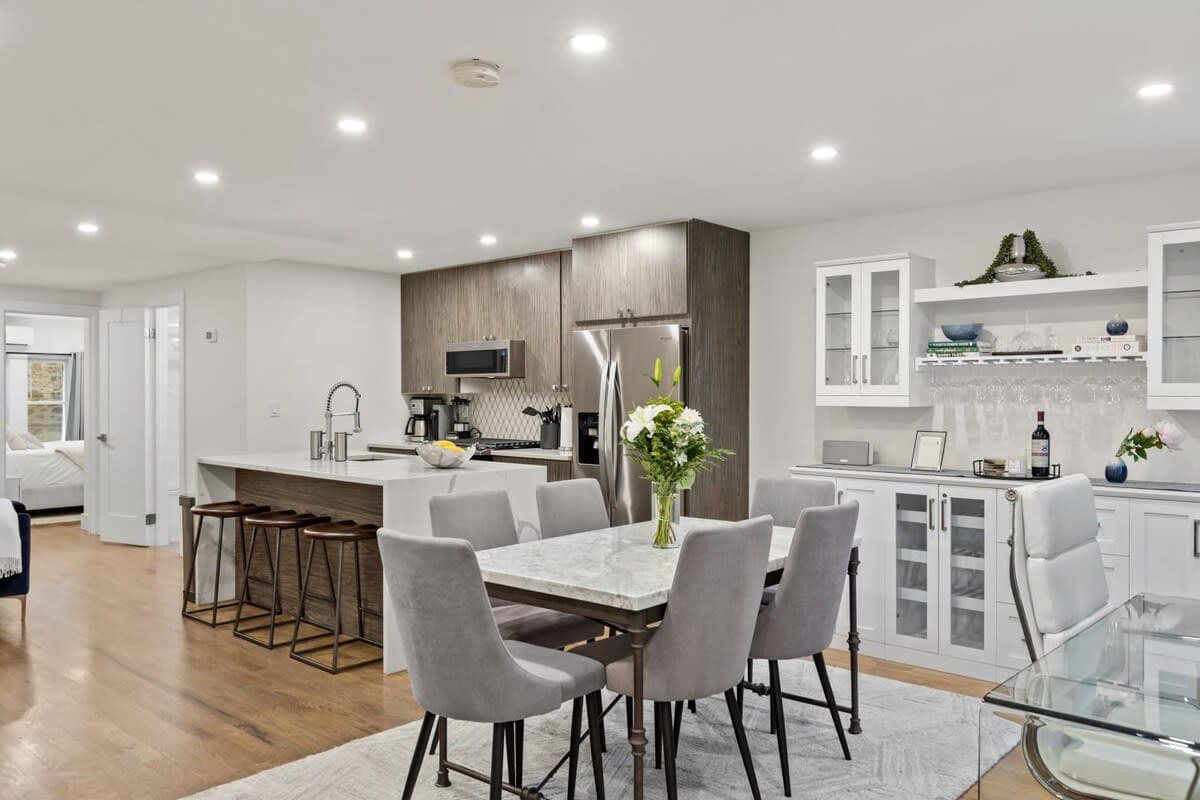
Types of Pied-à-Terre Properties
Pied-à-terre properties are becoming increasingly popular among individuals who desire a second home in the city. These properties come in different types, including apartments, condos, townhouses, and unique and unconventional spaces. Each type offers its own unique features and benefits, with respect to the specific city that they are in, too.
Apartments and Condos
Apartments and condos are the most common pied-à-terre properties, typically in high-rise buildings with city skyline views and shared amenities like fitness centers, pools, and 24-hour concierge. They suit busy professionals who value building services and convenience without the maintenance burden of a larger property.
In cities like New York, the distinction between a co-op and a condo matters more for a pied-à-terre buyer than almost any other purchase decision. Co-ops frequently restrict or prohibit non-primary-residence use, and board approval requirements add friction and uncertainty. Condos carry no equivalent restrictions, making them the practical default for part-time owners.
| Property Type | Board Approval Required | Pied-à-Terre Usage Restrictions | Flexibility | Typical Buyer |
|---|---|---|---|---|
| Co-op | Yes; board reviews financials, references, and intended use | Often restricts or prohibits non-primary residence use | Less flexible; house rules govern sublets, guests, and occupancy | Full-time residents seeking long-term stability |
| Condo | No special approval; standard purchase process | No restrictions on part-time or secondary residence use | More flexible; owner controls rental and occupancy decisions | Part-time owners, investors, and most pied-à-terre buyers |
Townhouses and Brownstones
Townhouses and brownstones are ideal for individuals looking for more space and a cozier living space. They offer a distinctly urban aesthetic and can be found in desirable locations throughout the city. Many townhouses and brownstones feature original architectural details such as exposed brick walls, fireplaces, and detailed moldings, which add character and charm to the living space. A huge advantage of townhouses is that they often come with private outdoor spaces, gardens, or rooftop terraces, incredibly peaceful retreats from the city that are so desired that they'll often increase a property's value by a fair margin.
Unique and Unconventional Spaces
For those seeking something truly unique, unconventional pied-à-terre spaces such as lofts, studio apartments, and even converted commercial spaces may offer an intriguing alternative. Such properties often offer a distinctive character and style that can't be found in conventional residences. Lofts, for example, are typically open-concept environments with high ceilings and large windows, often providing residents with an abundance of natural light and an airy feeling to the space. Converted commercial spaces, on the other hand, offer a blank canvas for creative residents who want the freedom of designing a space that's indicative of their unique personality and style. For those interested in a one-of-one type of residence that's exclusive purely by its architectural means, these are great building options to look into.
| Property Type | Key Features | Best For |
|---|---|---|
| Apartments & Condos | High-rise buildings, city skyline views, shared amenities (fitness centers, pools, concierge) | Busy professionals who value convenience and building services |
| Townhouses & Brownstones | Original architectural details, private outdoor spaces, gardens, rooftop terraces | Those seeking more space, character, and peaceful outdoor retreats |
| Unique & Unconventional Spaces | Lofts, studio apartments, converted commercial spaces with open-concept design | Creative residents who want to design a one-of-a-kind living space |
The Costs and Responsibilities of a Pied-à-Terre
While the appeal of owning a pied-à-terre may sound like a dream come true, there are associated costs and responsibilities that must be considered before going all in on turning it into reality.
Financial Considerations
Along with the purchase price, part-time residents also need to consider additional expenses, such as maintenance fees, taxes, and utility bills. Hiring a property manager may be necessary to handle such expenses if pied-à-terre owners aren't staying in the residence full-time. This falls in line with similar financial considerations that you might have for your primary residence. However, having a property in another city means you won't be there when it's rented out and it would be more difficult to fly back and manage an issue in person. Hiring outsourced help to manage would be the best solution, which will need to be budgeted into the overhead cost of your pied-à-terre. Understanding second home versus investment property distinctions can help owners with tax implications and financial planning.
Maintenance and Upkeep
Not particularly exclusive to this type of residence, but nonetheless an important consideration to buying: a pied-à-terre requires maintenance and upkeep to maintain the property's condition. This may involve hiring a cleaning service or engaging with a property manager to handle cleaning and other maintenance tasks when the owner isn't present. A part-time resident must also arrange for regular check-ins with neighbors or building staff to verify everything remains secure and well-maintained while they are away.
Legal and Tax Implications
Owning a pied-à-terre comes with legal and tax implications that vary by jurisdiction. Property owners must comply with local property taxes, insurance requirements, and zoning laws. Owning in another city or country may also add tax or visa obligations.
Taxing vacant non-primary residences has been actively debated in both Paris and New York since at least 2014, driven by concerns that pied-à-terres remove units from the housing supply without contributing to local community life. A 2014 New York Times report found 57% of units on one three-block stretch of midtown Manhattan were vacant more than half the year, a pattern that directly shaped legislative pressure for a dedicated surcharge. Outside of NYC's newly enacted tax, most cities have not imposed a separate pied-à-terre levy; historically, owners paid the same property taxes as primary-residence buyers, and that remains true in most markets today.
NYC Pied-à-Terre Tax (enacted FY 2027): The tax rolls out in two phases.
- Phase 1 (July 1, 2026 to June 30, 2028): co-ops and condos valued over $1M are taxed at 4.0% to 6.5%; one-to-three family homes valued over $5M at 0.8% to 1.3%.
- Phase 2 (July 1, 2028 to June 30, 2031): a flat 0.8% to 1.3% rate applies to all property types valued over $5M. Owners are notified of their assessment by August 30, 2026, and can file for a primary-residence exemption, though deadlines have shifted before, so confirm the current filing window. NYC Comptroller analysis estimates actual revenues at $340M to $380M after adjusting for rental exclusions and behavioral changes.
Co-op boards operate independently of government tax policy and may impose their own layer of restrictions. Many require buyers to disclose non-primary-residence intent upfront and reserve the right to reject the purchase or limit subletting accordingly. These board-level rules can be stricter than any applicable tax, and they vary building by building. Prospective buyers should review the house rules and interview the managing agent before making an offer on a co-op.
Conclusion
Owning a pied-à-terre can offer a convenient, luxurious, and intimate option for those who frequently travel to a particular destination. When considering a pied-à-terre, potential terre buyers should definitely entertain the type of lifestyle it would afford them, as well as consider investing in a property that meets their needs and is located in a desirable area. That way, they are sure to enjoy their purchase for years to come.
While you're pondering over options for your second home, keep in mind that a holiday home is much more than just a comfortable place to stay. It also acts as a springboard leading you towards discovering new experiences. In a place as active as New York City, a strategically located second home can serve as the ultimate starting point for thrilling adventures spanning its most lively neighborhoods. Whether you've got a soft spot for cultural richness, have a passion for food, or simply crave a peaceful corner far from the city's busy streets, Rove's city guides are there to heighten your experience.
- Want a taste of New York's vibrant diversity? Then explore a handpicked collection of 10 Non-Touristy Things To Do in NYC. It's a treasure trove of ideas for anyone wanting to experience the city from a local's perspective. If Brooklyn is more your scene, see our 10 Non-Touristy Things To Do in Brooklyn guide instead.
- If your city hideaway is your escape from the hustle of the corporate world, the NYC Corporate Housing Guide can provide helpful tips on juggling work and play with ease.
- For those keen on the financial and management side of owning a holiday home, the short-term rental guide offers a deep well of information to help you get the most out of your investment.
FAQ
What exactly is a pied-à-terre?
A pied-à-terre (French for "foot on the ground") is a secondary residence used for occasional stays in a city where you don't live full-time. It serves as a temporary home base for business travelers, seasonal residents, or those who frequently visit a particular destination. Unlike a primary residence, a pied-à-terre offers the comforts of home without the commitment of permanent relocation.
How much does it cost to own a pied-à-terre in New York City?
Costs can vary widely based on location, size, and property type. Beyond the purchase price, owners should budget for maintenance fees, property taxes, utilities, and property management services if renting the space when not in use. Rove offers two tiers: RoveCore, a free host software option with no host-side fees on OTA stays, and Rove+, a full-service management tier at 15% that covers marketing, guest screening, maintenance coordination, and regulatory compliance. Many owners offset these costs by renting their pied-à-terre when not using it.
Can I rent out my pied-à-terre when I'm not using it?
Yes, renting out your pied-à-terre can generate income to help offset ownership costs. In New York City, rentals of 30 consecutive days or more are the most straightforward option from a regulatory perspective. Professional property management platforms like Rove handle the marketing, guest screening, cleaning, maintenance, and regulatory compliance, allowing you to earn rental income without the day-to-day responsibilities.
What are the tax implications of owning a pied-à-terre?
Tax implications depend on your location and how you use the property. Owners must comply with local property taxes, insurance requirements, and zoning laws. If you rent the property, you'll need to understand short-term rental tax obligations, including sales tax and tourist development taxes where applicable. Owning a pied-à-terre in another city or country may also affect your tax filing requirements. Consulting with a tax professional familiar with second home ownership is recommended.
Do I need to furnish a pied-à-terre?
Rove-managed properties meet a high standard with premium linens, fully stocked kitchens, chef-grade appliances, workspaces with monitors, and in-unit laundry, which helps maximize rental income.
What's the difference between a pied-à-terre and an investment property?
A pied-à-terre is primarily for personal use with potential rental income when you're away, while an investment property is purchased to generate rental income. Pied-à-terre owners typically block personal dates and use the property throughout the year, whereas investment property owners focus on maximizing occupancy and revenue. However, the line can blur when owners rarely use their pied-à-terre and treat it primarily as an income-generating asset.
What's the best way to find a furnished luxury apartment in Manhattan for 30 days or more?
Search platforms that specialize in 30-day-minimum furnished rentals. NYC's short-term rental law (Local Law 18) makes sub-30-day stays in most apartments illegal without the host present, so the compliant inventory lives on extended-stay platforms instead of standard Airbnb. Rove, Blueground, June Homes, and Landing each list fully furnished Manhattan apartments with 30-night minimums. Rove's inventory skews toward design-forward condos and lofts with hotel-grade linens, chef kitchens, and dedicated workspaces; Blueground and Landing offer standardized furnished units at scale across multiple buildings. For a pied-à-terre stay, the key filters are: in-unit laundry, a real workspace, and a building that allows 30-day rentals without co-op board restrictions, conditions that condo buildings satisfy far more reliably than co-ops.
Can guests save money by booking a luxury rental directly instead of through Airbnb?
Yes. Airbnb typically adds a guest service fee of 14% or more on top of the nightly rate, which adds up fast on longer or higher-cost stays. Platforms built around direct or low-fee booking, including Rove, Houfy, and some owner-managed listings on Vrbo, reduce or eliminate that guest-side surcharge. On a 30-night Manhattan stay priced at $400 per night, a 14% Airbnb guest fee adds roughly $1,680 to the total cost; booking the same property directly through a platform that charges no guest fee keeps that money with the renter. For pied-à-terre owners who rent their unit when it sits vacant, direct-booking channels also mean higher net revenue at the same headline rate, with no OTA commission reducing the payout.