What is a Penthouse? Understanding the Ultimate in Luxury | July 2026

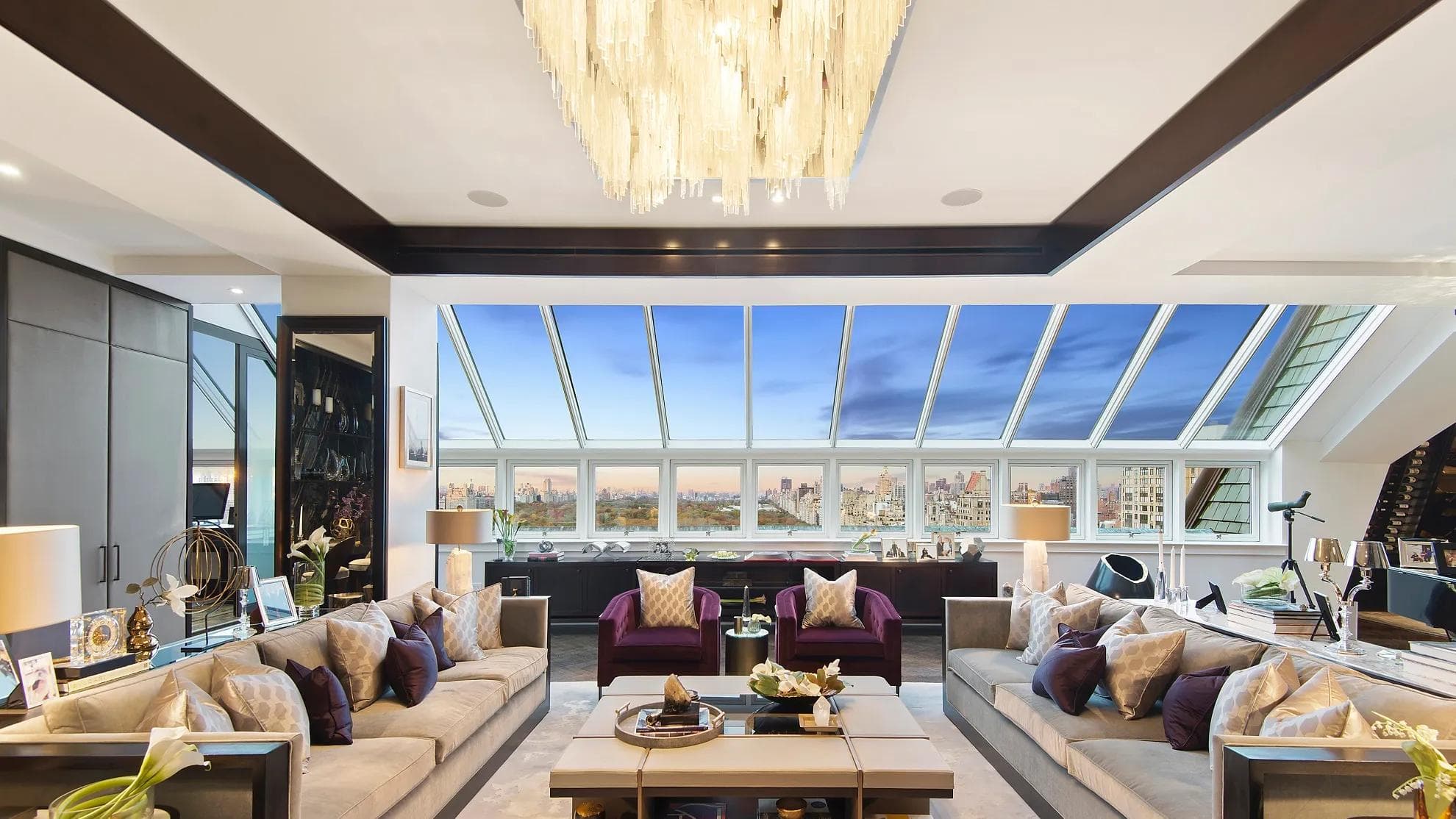
Penthouses represent the epitome of exclusive living. Penthouse apartments perched above the busy streets offer residents privacy, modern amenities, and unobstructed views. Penthouses are luxurious residential units on the roof of a building like a high-rise office block, a hotel, or an apartment building.
The prime location, exclusive amenities, and floor plan distinguish penthouse luxury apartments from run-of-the-mill homes. Penthouse units in New York City come at a premium. Yet they are sought after, with no shortage of buyers and renters looking for the best views and willing to pay top dollar for a high-end penthouse.
This guide covers the advantages of luxury penthouse living and what to look for in a top-floor apartment.
Key Takeaways
- Penthouses sit on the top floor of high-rise buildings and offer greater square footage, private terraces, floor-to-ceiling windows, and exclusive access (features standard apartments cannot match).
- The key advantages are privacy, prestige, and views. Top-floor positioning limits neighbors and foot traffic, making penthouses popular with high-profile individuals and those seeking city living without the noise.
- NYC penthouse sizes range from roughly 1,500 to 10,000 square feet, with most sought-after units offering three to four bedrooms, multiple levels, and dedicated outdoor space. Entry-level luxury penthouses start in the low millions; trophy properties regularly set new price records.
- Location, budget, size, and amenities are the four factors that matter most when choosing a penthouse. Factor in property taxes, maintenance costs, and resale value before committing.
- The NYC luxury penthouse market remains active. A West Village penthouse sold for $87.5 million in 2026, setting a new Lower Manhattan record, and about half of luxury buyers treat penthouses as portfolio assets, not primary homes.
Penthouse History and Evolution
Penthouse desirability is a recent phenomenon. Multistory apartments go back to ancient Rome, but the top floors were unpopular and occupied mainly by the poor. Top-floor living meant poor infrastructure, no running water, and long flights of stairs with no elevator, meaning residents climbed several times daily. For obvious reasons, the wealthy lived in large, sprawling, single-story villas.
The concept of a penthouse, with its modern associations of exclusivity, luxury, and jaw-dropping views from the top floor, is a 20th-century idea. It came with advances in building technology and urban development that made the upper floors desirable, not a burden.
For obvious reasons, the wealthy lived in large, sprawling, single-story villas. The concept of a penthouse, with its modern associations of exclusivity, luxury, and jaw-dropping views from the top floor, is a 20th-century idea, that came with advances in building technology and urban development.
The Introduction of Penthouse Living in New York City
In the early 1900s, nobody wanted to live on an apartment building’s top floor. Here, the living space was dirty and poorly insulated. They were often occupied by servants or used for storage and laundry.
New York City saw a surge in apartment construction during the post-war boom in the 1920s. Architects began to the idea of using the roof space of high-rise buildings for higher-end residences. The Plaza Hotel, overlooking Central Park, has the honor of hosting the first true penthouse in 1923. This sparked a trend. By the mid-1920s, luxury penthouses were popping up in major cities across the US.
There were several reasons for the shift to penthouse living.
- Elevator access became more reliable. Early elevators were noisy and unreliable. As elevator technology improved, the top floors became more accessible.
- A new appreciation of views: cityscapes were no longer seen as industrial eyesores. A top-floor penthouse offered unobstructed views of the Manhattan skyline.
- A cultural shift: Penthouses became a symbol of luxury real estate and came at a premium price. Here, you could live in the heart of the city and still enjoy outdoor areas on the top floor of a building.
It is believed that the term penthouse was first used in the early 1920s by architect Emery Roth to describe a top-floor unit he had designed. The word quickly caught on, and by the 1930s, penthouses were a fixture in the urban.
Penthouse Living Advantages
There are several advantages to choosing a penthouse. These include:
1. A status symbol
Penthouse living is a sign of wealth, selective taste, and success. If you’re looking for a status symbol, penthouses fit the bill. These luxury homes are prestigious and exclusive.
Penthouse residents range from C-suite executives and hedge fund managers to entertainers and heads of state, people for whom location is a professional signal as much as a personal one. For those looking to understand the broader market of luxury rentals in New York City, our ultimate guide to finding a luxury apartment rental in NYC offers valuable insights.
2. The most luxurious home amenities
Penthouse amenities typically go beyond what a standard luxury building offers: dedicated private elevators, full-floor terraces, chef's kitchens, and wine storage are common in NYC penthouses. Most also include concierge services, fitness centers, swimming pools, and rooftop terraces, alongside private entrances, high ceilings, and generous square footage.
3. Private and exclusive real estate
Privacy comes at a cost in the modern urban lifestyle. People seeking privacy in the city’s hustle and bustle will find what they are looking for with a penthouse.
Exclusive access, few neighbors, and limited entries offer an increased sense of privacy and exclusivity. Penthouse privacy serves celebrities and high-profile individuals well.
4. Unbeatable views
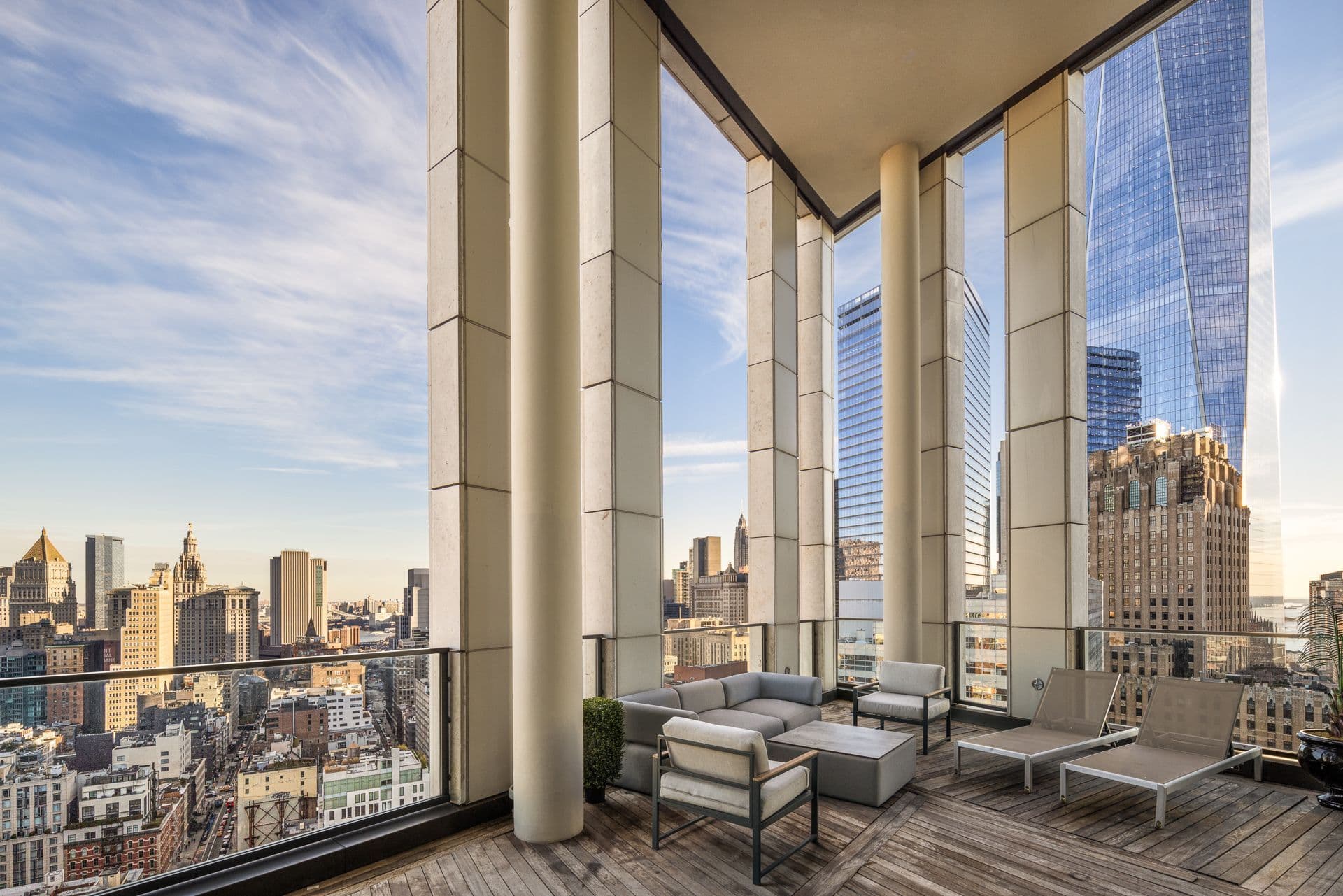
Many penthouses enjoy 360° views, which may cover picturesque landscapes, waterfronts, or sweeping vistas of the surrounding cityscape.
Here you have a front-row seat to some of the best views, enjoying glittering skylines by night, flanked by the beauty of sunrise and sunset. To understand how these features can enhance your living experience, our guide to furnished apartments in NYC.
For those also interested in loft-style living, you might find our ultimate guide to loft apartments particularly insightful.
Key Factors to Consider When Choosing a Penthouse
1. Location
Carefully consider the location before buying your new home and make sure the building is close to key amenities like hospitals, transportation hubs, schools, shopping centers, entertainment, and cultural attractions.
At the top of the list: it must be in a safe neighborhood. Make sure the building’s security features and local police presence are up to par before agreeing to buy the penthouse.
2. Size and layout
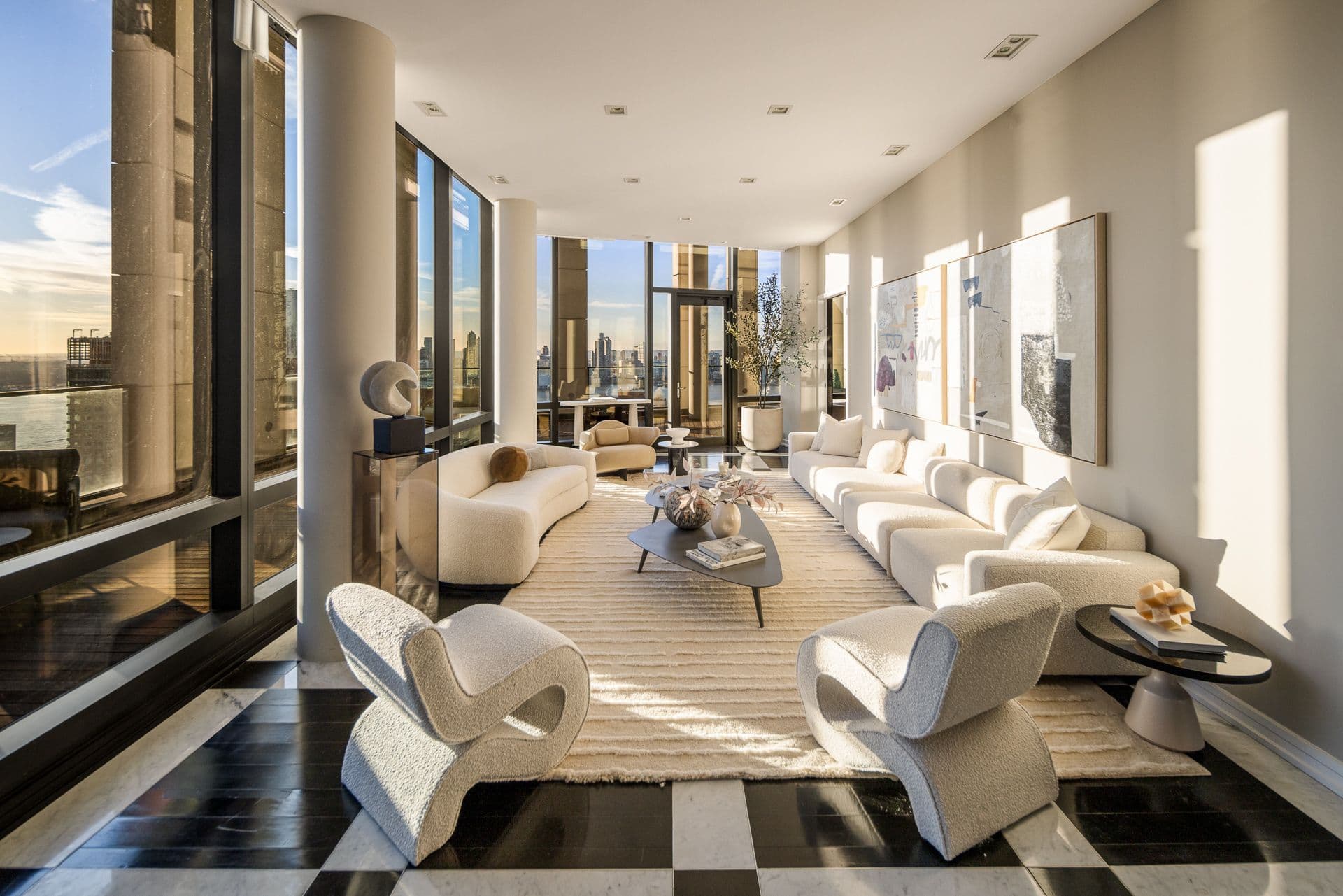
Penthouses have much larger floor plans than standard houses. Their design often has different levels with several rooms, including outdoor terraces or rooftop gardens.
| City | Typical Penthouse Size (sq ft) |
|---|---|
| New York City | 1,500 to 10,000 |
| Dubai | 2,000 to 6,000 |
| London | 1,000 to 5,000 |
| Sydney | 1,000 to 4,000 |
| Hong Kong | 1,000 to 3,000 |
| Tokyo | 800 to 3,000 |
Figures above are approximate typical market ranges based on available luxury listings data and vary by building, neighborhood, and market conditions.
Popular penthouses have three to four rooms and all the basic amenities. Common architectural trends include open floor plans, floor-to-ceiling windows, different levels, and private outdoor spaces. The focus is on natural light and open-concept design.
3. Amenities
Penthouses include luxury features like swimming pools, a hot tub, fitness centers, concierge services, and private elevators. List your amenity preferences and match your needs with the available features when buying a penthouse.
The more features the penthouse has, the higher the price, so choose carefully. You get what you pay for.
4. Budget
Start your penthouse search with a well-considered budget. Factor in the utility costs, like the maintained pool or on-site gym. Consider the effect of property taxes and other expenses. A penthouse real estate agent can help.
A budget narrows down the market and will help you stick to your plans. Consider the resale value. This is a big investment, and you should approach it knowing how you will dispose of it when it’s time to move on.
External factors like location, property market, and economic conditions define the penthouse resale value. According to the Sotheby's International Realty 2026 Luxury Outlook, only 51% of luxury homebuyers in 2025 purchased properties as their primary residence, with buyers increasingly treating penthouses as part of a global real estate portfolio strategy. Research the market and consult a real estate agent to tell a good buy from a less promising one.
5. Maintenance and management
To budget effectively, you must understand the service levels that building management provides. Penthouses typically carry higher monthly common charges or HOA fees than standard units in the same building (often $3,000 to $10,000 or more per month in New York City) because larger square footage and private terraces or rooftop gardens require dedicated upkeep.
What building management covers varies. Most full-service luxury buildings include exterior maintenance, HVAC servicing for shared systems, lobby and common area staffing, and security. But private terraces, custom mechanical systems (a dedicated HVAC unit, a rooftop hot tub, or a private pool), and interior finishes are typically the owner's responsibility. Get a written breakdown of what falls to the building and what falls to you before signing.
Concierge-level buildings add a layer of day-to-day management, package handling, contractor coordination, guest vetting, that can offset some of the administrative burden. If the building does not offer these services, factor in the cost of a property manager or building superintendent relationship. Budget 10-15% of annual service costs as a contingency for unexpected repairs, especially in older buildings where mechanical systems may be decades old.
Find Your Ideal Home Among New York City’s Skyscrapers
A penthouse is more than just a status symbol. It offers luxury living at its best, but don't get pulled into a property investment you can't afford to keep. Even the best homes start to feel jaded if you can't afford to live comfortably. Browse Rove Travel's curated NYC penthouses to find a home that fits your budget and lifestyle.
The luxury penthouse market remains strong, with a West Village penthouse recently selling for $87.5 million, setting a new price record for Lower Manhattan. If you find a suitable penthouse you can afford, expect luxurious amenities, privacy, exclusivity, and views of the city. Looking ahead, eco-friendly design and construction sustainability are shaping how new penthouses are built, with green-certified high-rises and energy-efficient rooftop spaces becoming more common across New York City.
At Rove Travel, we specialize in connecting renters with exclusive penthouses in New York City. Our dedicated team that each client finds a beautiful, luxurious home that meets their high standards. From breathtaking views to upscale amenities, we help you the ultimate in city living. our offerings today and experience the best of New York's penthouse lifestyle.
FAQ
What makes a penthouse different from a regular apartment?
A penthouse sits on the top floor of a high-rise building and offers features that standard apartments simply cannot match: greater square footage, private outdoor terraces, floor-to-ceiling windows, and exclusive access. The combination of position, premium finishes, and limited availability is what sets penthouses apart from other residential units.
How much does a penthouse in New York City typically cost?
Penthouse prices in New York City vary widely based on size, location, and amenities. Entry-level luxury penthouses can start in the low millions, while trophy properties in prime Manhattan neighborhoods regularly sell or rent at record-setting prices. A West Village penthouse recently sold for $87.5 million, setting a new Lower Manhattan record.
What amenities can you expect in a luxury penthouse?
Most luxury penthouses include private elevators, concierge services, fitness centers, swimming pools, and rooftop terraces. High-end finishes like floor-to-ceiling windows, open floor plans, and spacious private outdoor areas are standard. The more extensive the amenities, the higher the price, so it pays to identify which features matter most to you before searching.
How big is a typical penthouse in New York City?
New York City penthouses generally range from around 1,500 to 10,000 square feet, making them much larger than the average Manhattan apartment. Most sought-after penthouses have three to four bedrooms, multiple levels, and dedicated outdoor spaces such as terraces or rooftop gardens.
Is buying a penthouse a good investment?
Penthouses can hold strong resale value, but returns depend heavily on location, the broader property market, and economic conditions. Only about half of luxury homebuyers in 2025 purchased properties as their primary residence, with many treating penthouses as part of a wider real estate portfolio. Consulting a specialist real estate agent and researching local market trends before committing is the best approach.