A Comprehensive Guide To Property Management in Long Island, New York | October 2026
The comfort of a second home. The convenience of a hotel. The reliability of Rove.
Effective real estate ownership depends on competent property management, particularly in active markets like Long Island, New York. This guide covers the ins and outs of property management on Long Island, including its advantages and procedures. It covers how companies like Rove help property owners get more from their investments.
Long Island offers a blend of urban and suburban settings that attract high demand for residential and commercial properties. Effective property management can preserve and enhance the value of these properties. It keeps properties maintained, tenants content, and owners on a hassle-free investment journey.
TL;DR
- Long Island's rental market is strong: Average asking rents rose to $32.93 per square foot in Q2 2025, luxury rental prices are up roughly 10% year-over-year, and commercial vacancy rates hit a five-year low in Q4 2025.
- Property managers handle the heavy lifting: From tenant screening and lease management to maintenance, financial reporting, and legal compliance, a good property manager protects your investment without requiring day-to-day involvement.
- Furnished rentals earn more: Offering a furnished home can generate 30-60% more revenue than a traditional unfurnished lease (per Rove Travel data), while also attracting shorter vacancy periods and higher-caliber guests.
- Rove specializes in curated Hamptons management: Rove provides screened guests, security deposits, over $1 million in liability coverage, and automated listing management across top booking channels.
- Technology keeps occupancy rates high: Real-time pricing tools and multi-channel distribution help property owners stay competitive and maximize earnings year-round.

Meadowood Manor | Sag Harbor | Home w/ Outdoor Spaces| By Rove
Understanding the Ins and Outs of Property Management
Property management involves overseeing and supervising real estate assets for the owner. This covers responsibilities like screening the prospective tenant, collecting rent, maintaining properties, handling repairs, and confirming compliance with local regulations. Long Island property managers are mediators between property owners and tenants, managing day-to-day tasks to keep operations running smoothly.
| Company Type | Focus | Best For | Typical Fee |
|---|---|---|---|
| Traditional Residential | Long-term leases (12+ months) in Nassau and Suffolk County homes | Buy-and-hold investors and owners renting a primary residence | 8-12% of monthly rent |
| Commercial | Office, retail, and industrial assets across Long Island's commercial corridors | Owners of multi-tenant or mixed-use buildings seeking full-service oversight | 4-10% of gross rents, negotiated per asset |
| Short-Term / Vacation | Nightly and weekly stays, primarily in beachfront and Hamptons communities | Owners seeking peak-season revenue with flexible personal-use windows | 20-35% of booking revenue |
| Luxury Furnished Monthly | Curated 30+ night stays in vetted Hamptons and East End homes | Owners targeting relocations, work assignments, and high-caliber extended-stay guests | 15% all-inclusive (e.g., Rove+) or no-cost software tier (RoveCore) |
Property Managers’ Responsibilities
Property managers take on the following responsibilities:
| Responsibility | What It Involves | Why It Matters |
|---|---|---|
| Tenant Handling | Screening prospective tenants, managing lease agreements, and resolving tenant-related issues | Attracts reliable occupants and reduces turnover |
| Property Maintenance and Repairs | Overseeing regular upkeep and coordinating repairs as needed | Preserves the home's condition and long-term value |
| Financial Management | Collecting rent, managing budgets, and maintaining accurate financial records | Keeps cash flow consistent and finances transparent |
| Legal Compliance | Confirming the home meets all state and federal laws, including safety regulations | Protects owners from liability and regulatory risk |
How to Choose the Right Long Island Property Management Company
- Licensing and credentials: Confirm the manager holds a valid New York State real estate broker license.
- Local market experience: Look for demonstrated expertise in Nassau County or Suffolk County, since regulations, pricing, and tenant profiles differ across the island.
- Range of services: Confirm whether the manager covers residential, commercial, or furnished luxury rentals, and whether you need full-service or software-only support.
- Fee transparency: Ask for a written breakdown of all fees, including management percentage, leasing fees, and any maintenance markups.
- Technology and reporting: Look for automated pricing tools, multi-platform listing distribution, and owner-facing dashboards with real-time income and occupancy data.
- Client references and reviews: Request references from current owners with similar property types and neighborhoods.
The Long Island Real Estate Market
Long Island boasts a competitive real estate market with residential and commercial properties. Factors like proximity to New York City, amenities, and economic conditions, influence this market. Nassau and Suffolk counties on Long Island present distinct opportunities for property investors, from Nassau towns like Great Neck, Glen Cove, Manhasset, Rockville Centre, and Long Beach to Suffolk areas such as Patchogue and the towns further east. Property management needs shift depending on the property type, with condominiums and co-ops, multi-family buildings, single-family rentals, and commercial spaces each calling for a different approach. Luxury furnished vacation rentals remain concentrated in the Hamptons, but owners across the island face their own set of considerations.
Current Trends and Statistics
Here are some current trends and statistics:
- Rental Demand on the Rise: Rental properties are in demand as more people prefer renting to buying. Recent reports indicate that the average asking rent for properties in Long Island rose to $32.93 per square foot in the second quarter of 2025, an 11.3% increase from the previous quarter.
- Increasing Property Values: Property values on Long Island have been rising steadily, attracting new investors to this market. Residential median sale prices are up roughly 10% year-over-year, driven by strong demand and limited inventory.
- Luxury Rentals: The luxury rental trend for furnished properties is rising, offering a better return on investment. Luxury rental demand has outpaced the broader rental market, with luxury prices trending upward across the Hamptons and surrounding areas.
- Management Costs and Returns: Typical property management fees on Long Island range from 8-12% of monthly rental income, and investors generally see cap rates of 5-7% on Long Island real estate. For owners who hire a professional manager, that fee is offset by improved occupancy, reduced vacancy periods, and stronger tenant retention, making professional management a financially sound decision relative to the returns generated.
These trends showcase Long Island real estate market strength and potential, making it an attractive option for investors seeking commercial opportunities. The commercial sector has shown particular strength: vacancy rates fell to approximately 5.0% in Q4 2025, the lowest level since 2020. Separately, industrial leasing reached 1.06 million square feet in Q2 2025.
Advantages of Engaging a Long Island Property Management Company
Hiring a professional property management company brings clear benefits, so property owners can reap investment returns without dealing with added stress and workload. For a side-by-side look at the leading options, see this overview of top vacation rental management companies.
Self-Managing vs. Hiring a Long Island Property Management Company
Before choosing a path, it helps to weigh what a professional manager adds against what self-managing an owner keeps.
Pros of hiring a professional:
- Time savings: No day-to-day involvement in tenant or maintenance matters.
- Legal compliance: Property managers stay current on local regulations and fair-housing requirements.
- Tenant quality: Rigorous screening attracts reliable, higher-caliber occupants.
- Maintenance network: Contractor relationships mean faster, cost-effective repairs.
Cons and tradeoffs:
- Management fees reduce net rental income, typically 8-12% for standard residential and more for full-service luxury.
- Less direct control over day-to-day decisions.
- Finding the right fit requires research into local reputation, fee structure, and service scope.
Time and Stress Management
Managing Long Island properties can be very time-consuming. The right property management company looks after these tasks, from interacting with tenants to handling maintenance, allowing owners to concentrate on other matters.
Improved Tenant Screening and Management
Experienced property managers are skilled at screening potential tenants to attract reliable and responsible occupants. They oversee lease agreements and rent collection, promptly taking care of tenant concerns.
Maintenance and Repairs
Keeping a property maintained attracts high-quality tenants, and helps maintain its value. Property management services have access to a network of trusted contractors, offering cost-effective maintenance and repair services.
Managing Finances and Rent Payments
Experienced property managers handle rent collection, keeping payments on schedule. They maintain accurate financial records and provide owners with in-depth statements to track income and expenses.
Compliance with Legal Requirements and Risk Mitigation
The right property management company stays current on all applicable laws, minimizing complications. They also manage eviction procedures to safeguard the owner's interests.
Consistent practices across every aspect of property management keep your investment running smoothly and profitably. This involves improving rent collection procedures, maintaining the property, and making the most of professional property management services.
By teaming up with a company that provides management services you can trust, every facet of your property, from tenant interactions to maintenance tasks, is handled with expertise, protecting long-term value for both property owners and tenants.
Rove: A Luxury Property Management Case Study
Rove stands out as a premier luxury Long Island property management service provider in the Hamptons area of New York. Their expertise lies in offering luxurious furnished monthly rentals with full property management solutions. Roveblends the luxury of residences with the top-notch service akin to a 5-star hotel creating a relaxed experience for property owners and tenants. Owners weighing their options can also review how Rove compares to top Hamptons luxury property management companies.
Key Features of Rove’s Property Management:
- Screened Guests: Rove conducts background checks so that only dependable and trustworthy guests occupy their homes.
- Security Measures: They secure a cash deposit, hold credit cards for all stays, and perform property inspections when guests depart.
- Insurance Coverage: Property owners benefit from Rove's tenant liability coverage for damages and over $1 million in liability protection.
- Automated Management of Listings: Rove handles listing management on top booking channels to maintain optimal occupancy.
Boosting Rental Income through Luxury Furnished Rentals
Offering furnished rentals can substantially increase rental income. Rove's luxury monthly rental service generates 30-60% more revenue than traditional unfurnished leases, based on Rove Travel data. For a deeper look at what drives those returns, see the guide on maximizing rental income with luxury property management. Here are ways to maximize income with luxury rentals.
Advantages of Providing Upscale Furnished Rentals
- Increased Rent: Upscale furnished properties can command higher rental prices than unfurnished properties.
- Reduced Vacancy Periods: Furnished rentals appeal to tenants seeking move-in options leading to shorter vacancy periods.
- Attracting Premium Tenants: High-end properties attract professionals and affluent tenants willing to pay extra for convenience and luxury.
Steps for Preparing Your Property for Luxury Rentals
- Assess Your Property: Evaluate your property's potential and make any necessary enhancements to meet the high standards.
- Furnish and Decorate: Invest in top-quality furniture and stylish decor to create an inviting and comfortable living environment.
- Professional Photography: High-quality images are needed for marketing rentals. Consider hiring a photographer to showcase your property effectively.
- Strategic Marketing: List your home on top booking sites and showcase its upscale features to attract the ideal tenants.
Rove's team of experts can guide you through every step, from design and furnishing to professional photography and strategic marketing, so your home stands out in the Long Island market.
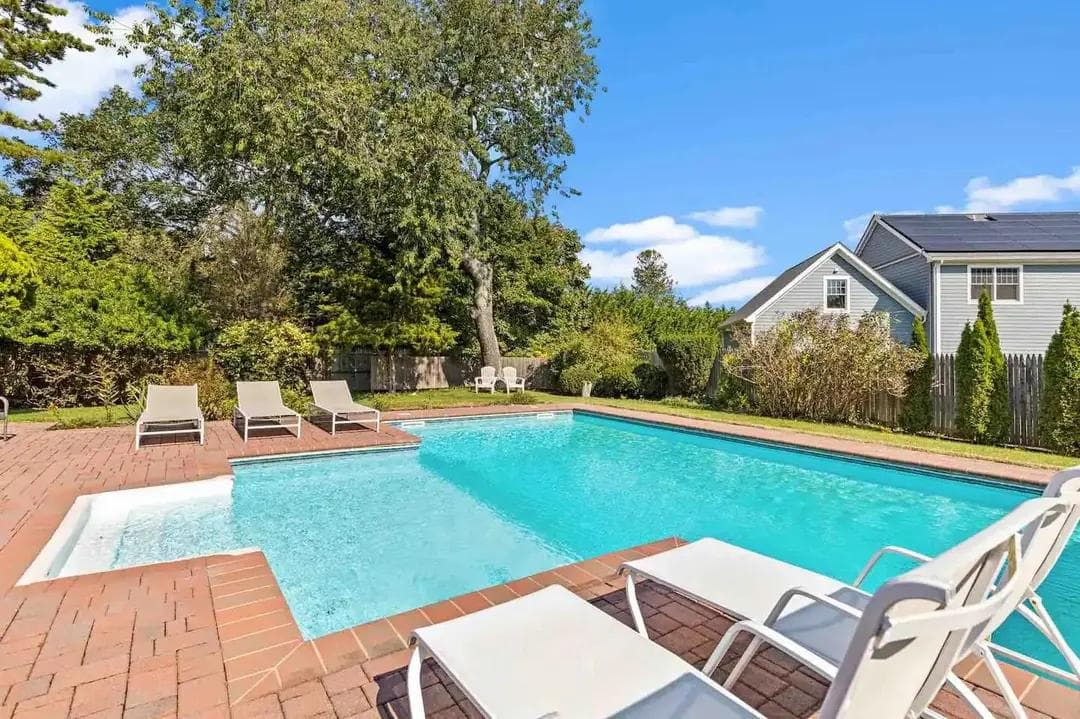
Bishop | Westhampton Beach | Home w/ Heated Pool, BBQ & Beach Access | By Rove
The Property Management Process at Rove
Rove has built a system to assist property owners in maximizing their income with minimal inconvenience.
Initial Property Assessment and Brand Standard Review
Rove's expert design team carefully assesses properties to confirm they align with the brand standards. This includes reviewing the property's condition, location, and rental potential.
Crafting a Rental Proposal
The team at Rove examines properties and market trends to propose competitive pricing. The proposal is tailored to enhance earnings while preserving the property’s high-end tenant appeal.
Promoting and Marketing Your Property
Upon evaluating the property, Rove sends an inspector to suggest any enhancements. The marketing team then develops a strategy for showcasing the property across top booking sites and channels.
Handling Income and Guests
Once the property is leased, Rove manages all guest-related responsibilities, from check-ins to maintenance requests. Property owners receive payments based on their property’s performance.
Prioritizing Safety and Security for Your Property
Safety and security are top priorities in managing properties. Rove has put measures in place for both aspects.
The importance of Screening Checks and Guest Verification
Every guest staying at Rove undergoes background checks, including ID verification, fraud checks, credit assessments, and income verification. This process is in place to confirm that only trustworthy guests stay at the properties.
Procedures for Security Deposit and Property Inspection
Rove requires a security deposit from guests. The property management company performs inspections to verify there are no damages when guests depart.
Overview of Rental Insurance and Liability Protection
Property owners benefit from Rove's tenant liability coverage, which protects against accidental damage. Rove also offers over $1 million in liability coverage, for added peace of mind.
Using Technology in Property Management
Modern property management benefits from technology integration, which makes operations more efficient.
Automation for Managing Listings and Bookings
At Rove, listings management across booking channels is automated to keep homes visible to prospective guests. This automation keeps occupancy rates consistent and reduces the day-to-day workload for property owners.
The Benefits of Listing Properties on Multiple Channels
Listing properties across multiple channels enhances exposure, attracting a wider range of tenants. Rove drives marketing efforts and strong booking success rates by overseeing listings across those channels.
Enhancing Occupancy Rates Through Technology at Rove
Rove uses real-time market data to monitor trends and adjust pricing as demand shifts, keeping homes competitive year-round. This approach supports steady occupancy and stronger income across seasons.
A good property manager saves you time, screens tenants carefully, coordinates maintenance, keeps your finances in order, and stays on top of legal requirements, while a furnished luxury rental can add real revenue on top. The right partner for your Long Island property depends on its type, where it sits on the Island, and how hands-on you want to be. If you're weighing your options, list your property with Rove and talk through your property's potential.
FAQs
Do I need a license to manage property in New York?
Yes. New York State requires property managers who lease or rent real estate on behalf of others to hold a valid real estate broker license. Managing your own property does not require a license, but third-party management does. Always confirm a management company's license status with the New York Department of State before signing a contract.
How much does property management cost on Long Island?
Traditional residential management on Long Island typically runs 8-12% of monthly rental income, plus a leasing fee of one-half to one month's rent when a new tenant is placed. Full-service luxury management, such as Rove's Rove+ tier, charges 15% all-inclusive with no hidden add-ons. Owners who prefer software-only support can use RoveCore at no cost, paying no host-side fees on stays booked through third-party channels.
What is the best property management company for the Hamptons?
The right fit depends on your property type and goals. For curated luxury furnished rentals targeting 30+ night stays, Rove is the leading option in the Hamptons, covering guest screening, real-time pricing adjustments, maintenance coordination, and over $1 million in liability coverage at a flat 15% fee. For standard long-term residential leases, look for a licensed Nassau or Suffolk County broker with a track record in your specific town.
What is the typical rental income from properties managed by Rove?
Rove's monthly rental service typically yields 30-60% more revenue than traditional unfurnished leases.
How does Rove screen potential renters?
Rove conducts background checks, verifies identities, detects fraud, assesses creditworthiness, and confirms income to confirm only reliable and trustworthy individuals rent their properties.
What types of properties does Rove manage?
They specialize in overseeing furnished monthly rentals, particularly in popular locations like the Hamptons in New York.
How does Rove handle repairs?
Rove has a network of contractors who provide cost-effective maintenance services to keep the properties well maintained.
What insurance coverage does Rove offer?
Apart from offering tenant liability protection for damages Rove also provides over $1 million in liability coverage to protect the interests of property owners.
How does Rove maintain compliance with laws and regulations?
The team at Rove stays updated on state and federal laws to confirm all properties adhere to regulations and handles all matters such as lease agreements and evictions when necessary.
Explore Montauk and the South Hamptons Like a Local!
Uncover hidden gems and non-touristy things to do in Montauk and the South Hamptons. From secluded beaches and scenic trails to unique local dining spots, learn about the authentic Hamptons experience. Planning a city escape? See our guide to non-touristy things to do in NYC and Brooklyn for insider tips on hidden treasures and must-visit local favorites.