How to Make the Most of Your Bodega Experience? (September 2026)
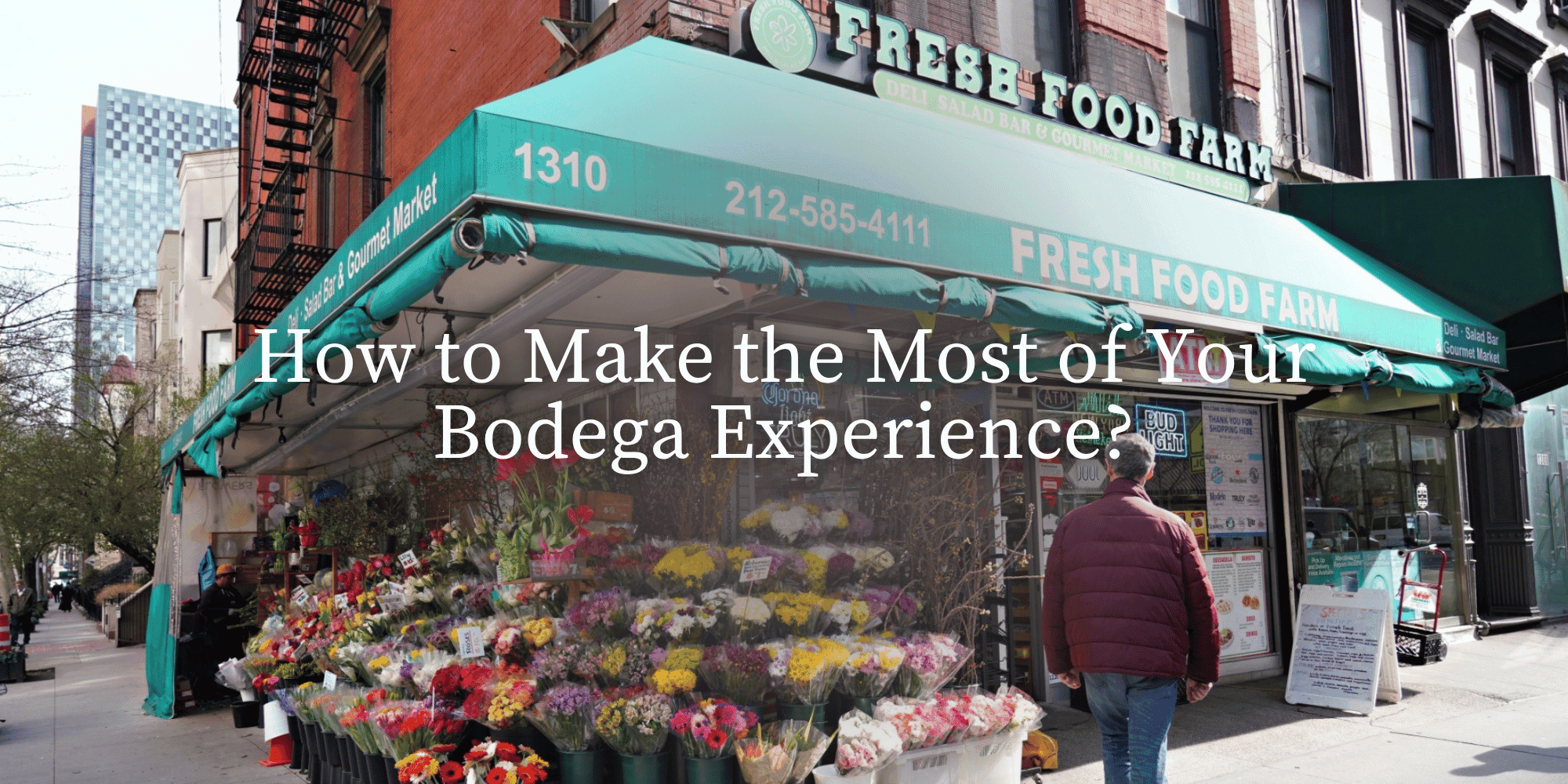
Born in the Puerto Rican barrios during the early 20th century, the bodega has become a New York institution, with more than 15,000 in New York City alone. These grocery stores have also sprung up across the country wherever large numbers of Spanish-Latino immigrants settled. These corner grocery stores open late into the night, often 24/7, serving residents hot and cold food.
TLDR:
- Talk to the owner or other shoppers to get local intel. Bodegas function as neighborhood gathering spots and social hubs, well beyond a simple grocery stop.
- Learn the layout fast: snacks are near the register, drinks in the cooler, and staples along the back wall; cash is often preferred over cards.
- Look beyond familiar brands. Bodegas frequently stock imported goods, artisanal products, and local specialty items you won't find in chain supermarkets.
- Save money by using bodegas for last-minute or specialty items and larger stores for staples; watch for hand-written signs marking unadvertised sales.
- Try the hot food and freshly brewed coffee. Many bodegas serve affordable, authentic options like empanadas that make for a genuinely good meal.
In the Beginning
The Bodega has an interesting past. These New York corner stores find their origins among Spanish immigrants, many of whom became bodega owners upon arriving in the US. Bodega is a Spanish word meaning warehouse or store. In New York, bodegas were small grocery stores, sometimes with a wine bar.
To learn more about the history and cultural significance of bodegas, check out our other article, What Exactly is a Bodega?
Though the convenience store owners soon included immigrants from Italy, Ireland, and Germany, these stores were closely connected with the Puerto Rican community. The Puerto Rican bodega served neighborhoods of immigrants from Latin America, who sought ingredients and delicacies from the home countries they missed.
These convenience stores provided their customers with imported treasures, nostalgic home music, and friendly banter. Quickly, the corner store became a gathering place for people seeking home comforts and social interactions. People came here to meet friends and neighbors to chat and share local gossip.
Today Bodega shopping is an important part of New York City life. In fact, over 90% of New Yorkers shop in bodegas at least once per week, while approximately two-thirds visit a bodega daily. Whether you're staying in Williamsburg vacation rentals or SoHo, a local bodega is likely just steps from your door.
You don’t know what you’re missing if you haven’t yet shopped at a corner convenience store. It's time to get started.
Top Five Tips for Bodega Shopping
Here are five tips for New Yorkers wanting to get the most out of a corner grocer.
1. Enjoy the Local Charm
A bodega is more than just a small grocery store. It's a cultural hub. Strike up a conversation with the owner or fellow customers. You'll uncover hidden gems about the area, local gossip (harmless, of course! ), or a friendly face to brighten your day.
Enjoy the interaction that takes you back to a bygone era when people took the time to meet, greet, and get to know their neighbors. These community hubs are so important that NYC is investing $1.6 million to enhance bodega safety with panic buttons connected directly to police.
2. Learn the Layout and Lingo
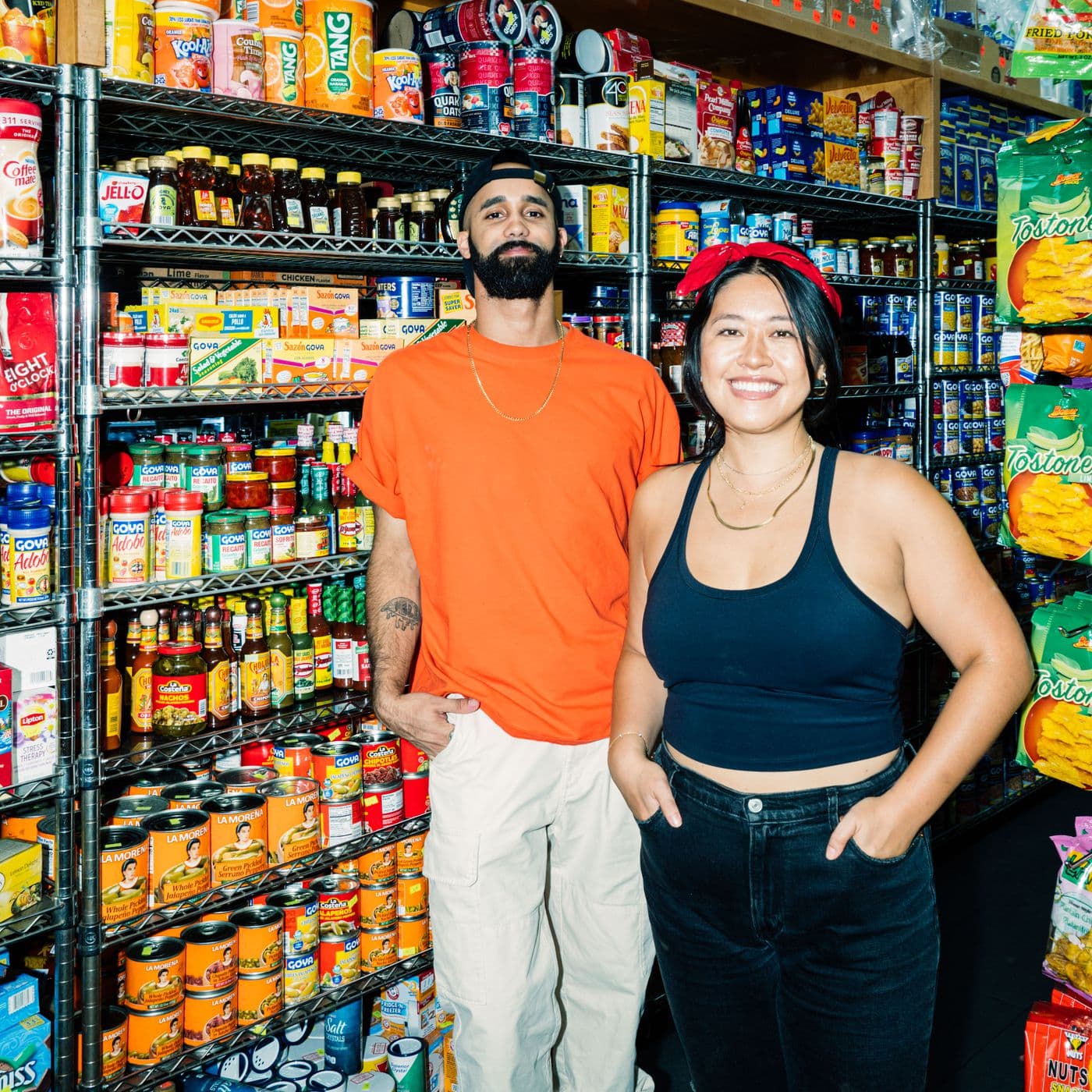
Bodegas are compact, with sometimes unconventional layouts. Look for patterns. Find snacks near the register, drinks in the cooler, and staples along the back wall. Impulse buys near the checkout offer a delightful (sometimes dangerous) discovery zone for the native New Yorker.
Bodegas often have their own language. "On special" may mean a discounted price. "On deck" suggests an item kept behind the counter. If you’re ordering a sandwich, don’t expect the same descriptions as you’re used to finding at fast food chains. Don't be afraid to ask, if you’re unsure about the choices. The staff will appreciate your curiosity. Staff are also quick with recommendations and suggestions for exclusive products.
While some Bodegas accept cards, many still rely on cash. Keep cash on hand to avoid any awkward fumbling at the checkout.
3. Become a Bodega Scavenger Hunter
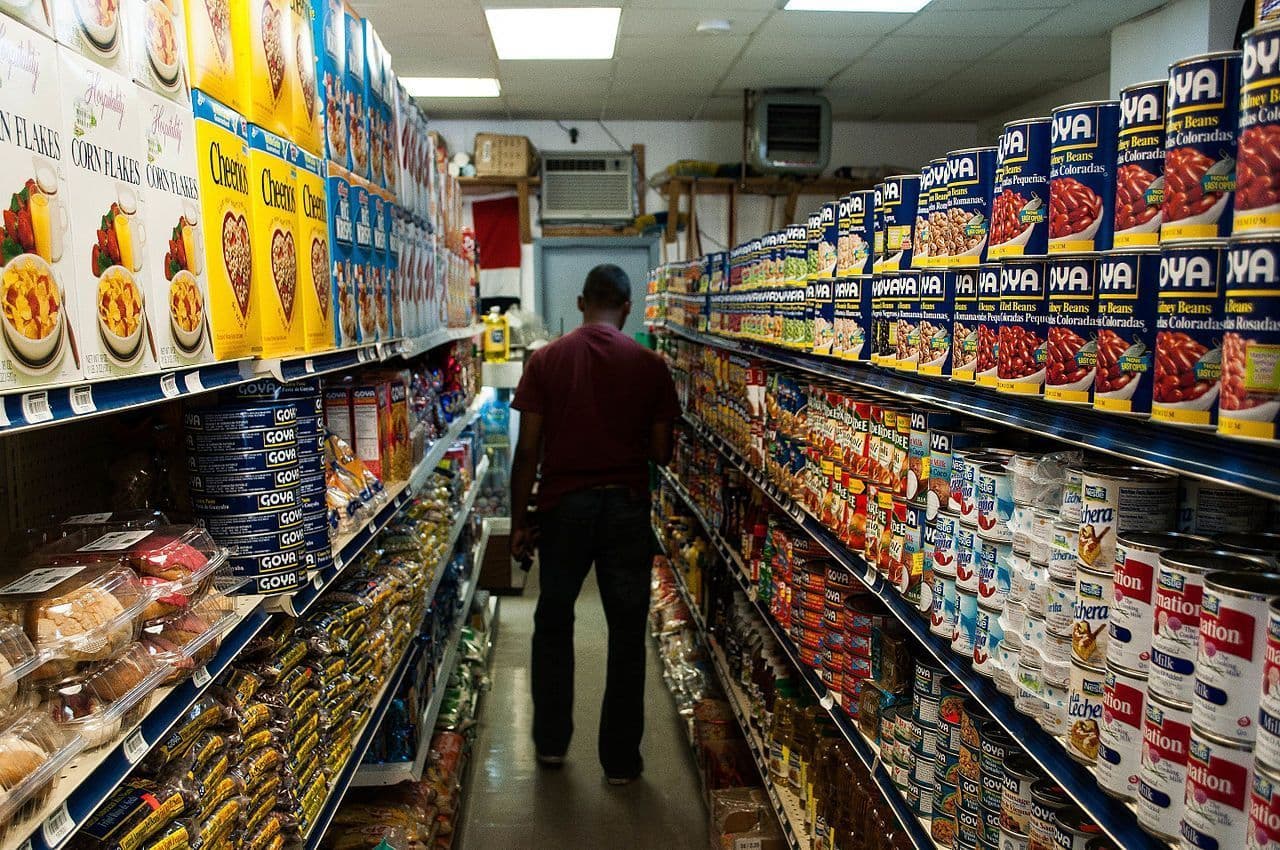
The Bodega Corner Store will often stock a surprising array of imported goods. Browse the aisles. You might find ingredients for a new ethnic dish or a unique snack from a faraway land. Look beyond your usual brands. Bodegas support local businesses. You may find delicious artisanal bread, unique hot sauces, or local microbrewery beers in the wine shop. Expect to find fresh, locally farmed produce in these stores as well.
4. Become a Savvy Shopper
Bodega prices are often higher than you’ll find at supermarkets. Plan your shopping. Grab last-minute items or specialty goods at the bodega, and stock up on staples at larger stores. Bodegas often have unadvertised sales. Look for hand-scrawled signs or clearance sections with hidden bargains. Stock up on discounted items and stretch your grocery budget.
Bodega vs. Supermarket: What to Buy Where
| Item Type | Best at a Bodega | Best at a Supermarket |
|---|---|---|
| Last-minute snacks | Yes | No |
| Fresh coffee & breakfast | Yes | No |
| Late-night essentials | Yes | No |
| Hot prepared food | Yes | Limited |
| Bulk staples (rice, pasta, etc.) | No | Yes |
| Fresh produce (large quantity) | No | Yes |
| Specialty/imported goods | Often | Rarely |
| Price per unit | Higher | Lower |
Many bodegas don't offer plastic bags. Reduce waste by bringing reusable bags. Bodegas often sell smaller quantities, which is the perfect way to try new things and reduce food waste in single households.
5. Enjoy the Shopping Adventure
Many bodegas sell hot food. Sample their offerings. You might find a delicious and affordable lunch option, a comforting late-night snack, or even a delicious specialty like authentic empanadas or a soul-warming bowl of soup.
Freshly brewed Bodega coffee is often surprisingly good. It's a quick and affordable way to start your day. Browse the selection of sodas and juices. You may find nostalgic favorites or unique international brands.
The Bodega is More than a Local Convenience Store and Wine Shop
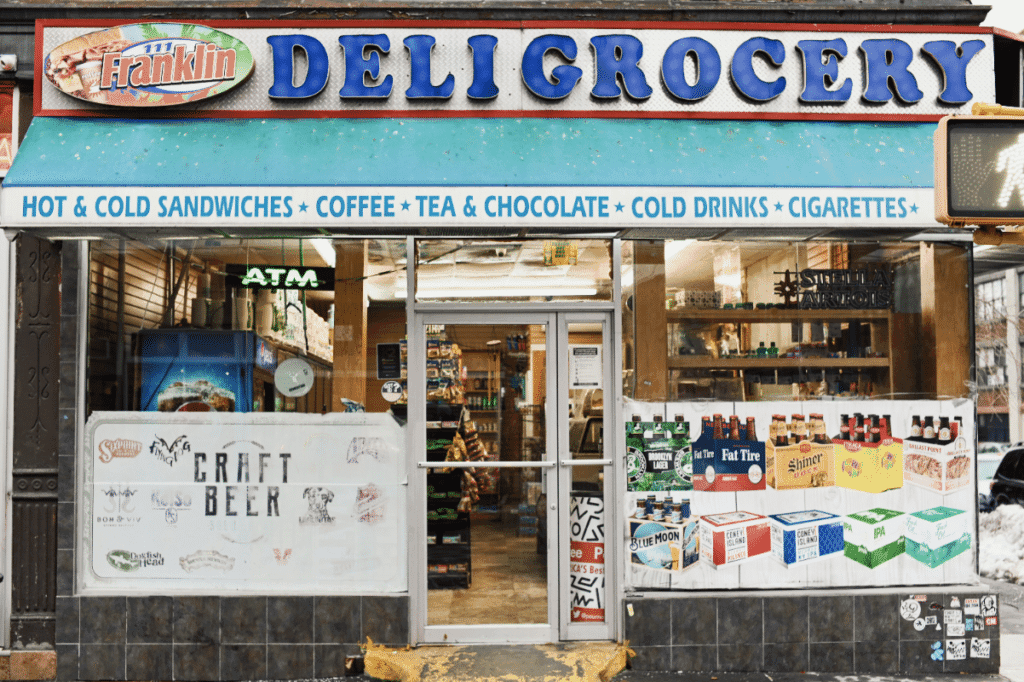
For generations of New Yorkers, the bodega has been the first stop in the morning and the last stop at night, a constant in a city that never stops changing. It is a corner shop where local people gather to meet their neighbors, share a conversation, and find treats from home. For generations of New Yorkers, the bodega has been the first stop in the morning and the last stop at night, a constant in a city that never stops changing.
Bodegas in 2026: A Corner Store Gets a Modern Upgrade
The NYC bodega ecosystem now spans more than 15,000 stores and drives an estimated $45 billion in annual spending. New initiatives are bringing corner stores into a new era without stripping away what makes them special. Bodegas TV, launched in June 2026, places in-store digital screens and hyper-local media in participating locations, giving owners a new way to connect with their communities while keeping the neighborhood character that no chain can replicate.
Rising grocery prices across the city have made bodegas more relevant than ever as a source of affordable staples, hot food, and specialty items. At the same time, growing community programs like Healthy Bodega and Bodega Fresca are working to expand fresh food access in neighborhoods that need it most, showing that the corner store continues to grow alongside the city it serves.
What makes a bodega irreplaceable is not the inventory. It is the familiarity. The owner who knows your order. The regulars who nod in recognition. The hand-written sign in the window advertising something you didn't know you needed. These small details add up to something that no chain store can replicate: a genuine sense of belonging in one of the world's most dense and transient cities.
Bodegas also serve a practical role that extends well beyond groceries. They are community bulletin boards, informal gathering spots, and for many immigrant families, a foothold in a new country. The bodega has absorbed the cultures of the neighborhoods it serves, stocking shelves that reflect the tastes and traditions of the people who live nearby.
Whether you are a lifelong New Yorker or visiting the city for the first time, stepping into a bodega is one of the most authentic experiences the city offers. Go in with curiosity, take your time, and you may walk out with far more than you expected. For those living in NYC for a month, making a neighborhood bodega part of your daily routine is one of the fastest ways to feel at home.
Stay in the heart of New York City with Rove Travel
The best way to experience a bodega is to live like a New Yorker. Rove Travel offers a curated collection of luxury furnished homes across Manhattan and Brooklyn, putting you steps from the corner stores, neighborhoods, and local culture that make this city unlike anywhere else. Browse Rove Travel's available homes and find your perfect base for the city, and a vacation that will stick with you for life.
Find hidden gems and local favorites with our guides to non-touristy things to do in NYC and Brooklyn. Instead of hitting the usual crowded spots, check out charming neighborhoods, cultural hotspots, and unique dining spots for a true taste of the city. Uncover the best-kept secrets and experience the unique charm of New York City and Brooklyn just like a local.
FAQ
What makes a bodega different from a regular convenience store?
A bodega functions as a neighborhood gathering place, far more than a place to grab snacks. Beyond groceries and sundries, many bodegas stock imported goods, locally made products, and specialty items you won't find at chain supermarkets, and the owners often know their regulars by name.
Do bodegas accept credit cards?
Many bodegas still prefer cash, and some smaller locations are cash-only. It's a good habit to carry a few dollars when you visit, especially for smaller purchases, to avoid any checkout friction.
What kind of food can you get at a bodega?
Most bodegas serve hot food and freshly brewed coffee throughout the day. Common offerings include sandwiches, empanadas, soups, and breakfast items, many of which are affordable and made fresh on-site.
How can you save money when shopping at a bodega?
Use bodegas for last-minute or specialty items and stock up on staples at larger grocery stores. Keep an eye out for hand-written signs marking unadvertised sales, and check clearance sections for discounted goods that can stretch your budget.