Unpacking the Mystery: What Exactly is a Bodega? | September 2026
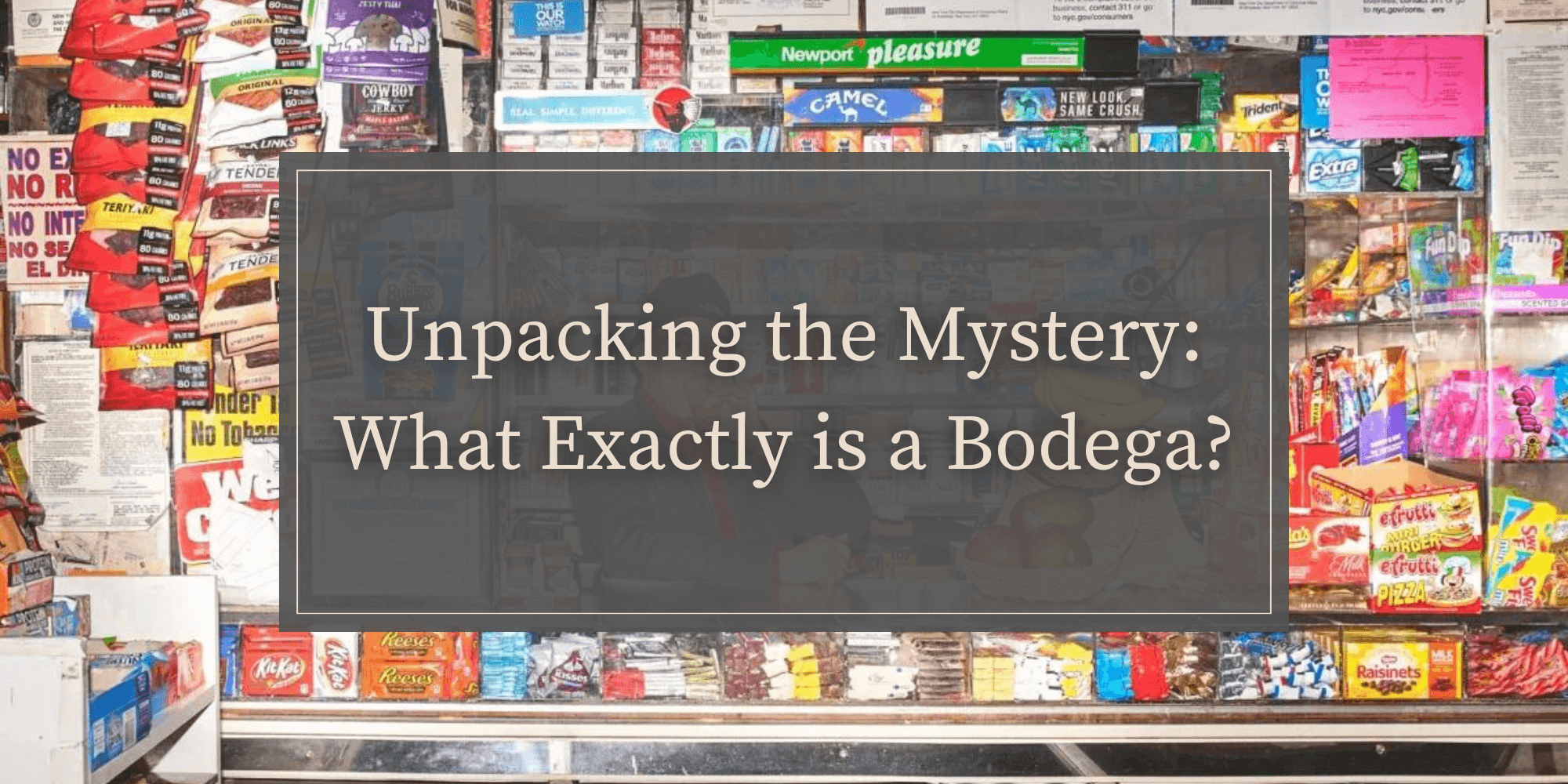
What’s a Bodega? Unpacking the Mystery of these Community Hubs
A bodega is a small, family-owned convenience store and wine shop serving the community in US urban areas. Many of these stores open late into the night, even 24/7, serving hot and prepared meals to late-night revelers and other community members.
These bodegas or small community-based stores reflect the cultural influence of the surrounding neighborhood, stocking goods preferred by the community it serves. Bodegas are also gathering places, attracting people with shared cultural backgrounds to gather and socialize.
The term "bodega" comes from the Spanish word for "storeroom" or "wine cellar," and it's especially associated with the large Latino population in New York City. Over the years bodegas have popped up in other US cities and can be found countrywide.
TLDR:
- A bodega is a small, family-owned corner store rooted in Latino culture, offering everyday essentials, prepared food, and a sense of community in urban neighborhoods across the US.
- Bodegas originated in early 20th-century New York City, first serving Puerto Rican immigrants before expanding to serve diverse communities in cities like Chicago, Miami, and Los Angeles.
- Beyond groceries, bodegas serve as cultural hubs where residents gather, socialize, and access ingredients and products tied to their heritage.
- Bodegas face real threats today: rising rents, gentrification, competition from chain stores, and health code compliance burdens on tight budgets.
- Communities are fighting back through Adopt-a-Bodega programs, Bodega Makeover initiatives, financial assistance grants, and local shopping campaigns to keep these neighborhood institutions alive.
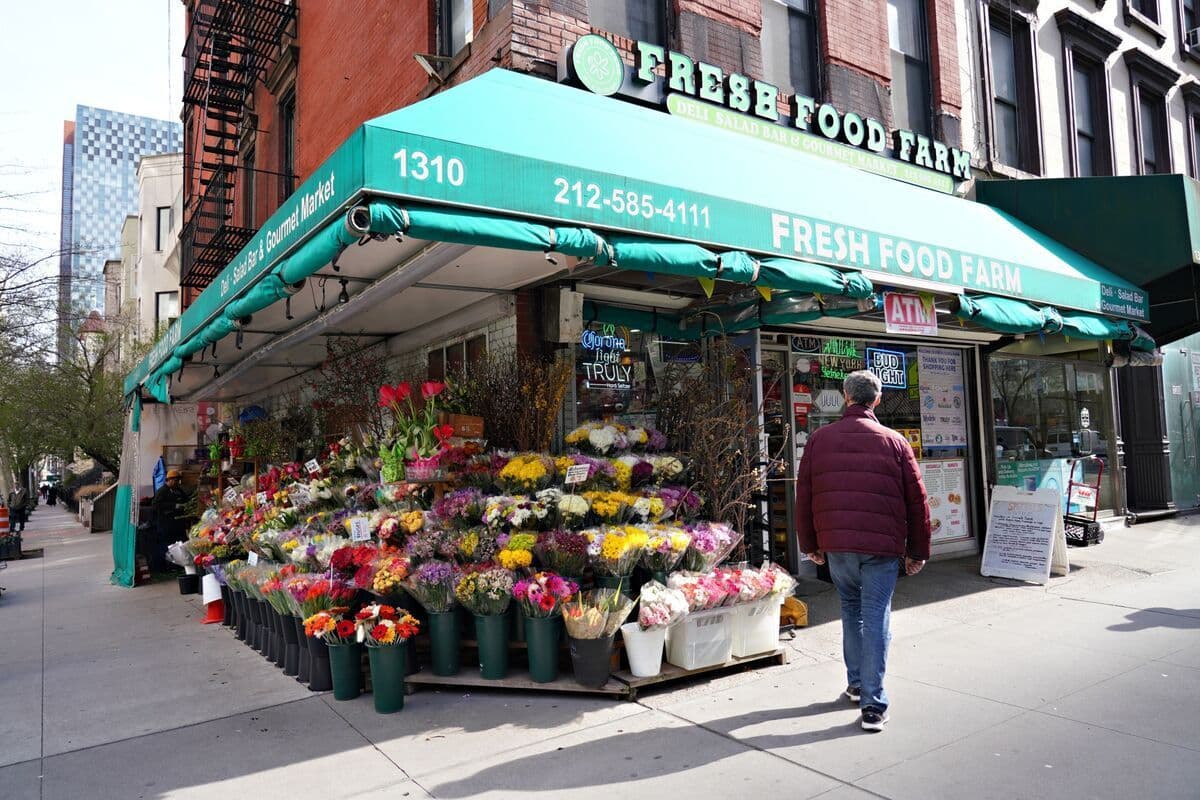
History of Bodegas
The bodega has a rich history with Spanish roots. Today, these stores form an important part of the US Latino culture.
Let’s take a trip down memory lane:
Bodegas originated in New York City in the early 20th century. Bodega means a warehouse or store in Spanish but, in New York, the bodega became a small grocery store. The bodega's growth was driven by immigrants who arrived in large numbers. The first bodegas served the Puerto Rican community, providing homeland flavors and everyday essentials.
Immigrants from Latin America, Eastern Europe, Ireland, and Italy soon settled in New York City neighborhoods like Queens, Brooklyn, the Bronx, and Manhattan.
The early Puerto Rican bodega catered to community preferences. The corner grocer soon became a thriving hub of commercial activity. Yet, these convenience stores also offered a touch of nostalgia as community touchpoints, offering the immigrants local music and ingredients from home.
With time, these convenience stores reflected the changing neighborhood demographic. They also evolved, diversifying their products to meet the changing needs of New Yorkers.
Bodegas soon opened in other urban areas, following the same path. In San Francisco, Miami, Chicago, and Los Angeles, Latino migrants opened businesses, including bodegas, that served their communities, moving beyond Puerto Rican immigrants to reflect the diverse cultures of the people they served.
These small stores quickly adapted to urban redevelopment, integrated with developing technologies, served as community hubs, and supported regional health and wellness initiatives.
In many modern American cities, especially those with large Latino populations, bodegas form a cherished part of the area's local culture. The local convenience store or Bodega continues to offer consumers convenience, cultural connection, and a personal touch not found in larger chain stores.
Role of Bodegas in Urban Communities
Bodegas are the local communities’ primary source of goods and services, especially in areas far from larger supermarket chains. Here, diverse people can find regional ingredients and spices with everyday items, making sure these grocery stores remain popular in modern developing communities.
The bodega corner shop will often become a familiar gathering spot for residents, even for the native New Yorker. As BBC Travel's guide to NYC bodegas notes, these stores have long served as communal living rooms for members of New York's Latino community. People stop to chat with the owner, catch up with neighbors, or enjoy the atmosphere. The corner store supports the community by hiring residents and buying from local businesses.
Open for extended hours, bodegas attract night-time traffic, making the neighborhood feel safer and more secure. In recent years bodegas have also attracted the attention of health authorities and NGOs aiming to improve community diets. These organizations use the small corner store to distribute and sell fresh produce to residents.
The Challenges Faced by Bodegas
In the modern world, bodegas, like most businesses, face major challenges. Amongst these, are competition from large chain stores, rising rentals, regulation, and gentrification. Bodegas do not offer the same range of products found in chain stores. Their stocks are limited to community needs. As a result, many busy community members have started to migrate to larger stores where they can find a one-stop shopping solution.
As areas gentrify and rentals rise, more affluent New Yorkers migrate into these once-immigrant community areas. Shopping needs are changing with the evolving community with many wealthier people supporting grocery chains. Bodegas have fewer resources than chain stores, so keeping up with the modern world of mass marketing, technology, and changing customer needs, challenges bodega owners.
Stringent health and safety regulations are also a problem. Tight operating budgets leave little room for staff training or investments in regulatory upgrades. Language barriers may hinder regulatory understanding, leading to health code violations and penalties.
| Challenge | How It Affects Bodegas | Community Response |
|---|---|---|
| Competition from chain stores | Large retailers offer a wider product range and one-stop shopping convenience, drawing away busy community members who once relied on the corner bodega for daily essentials | Community-organized campaigns encourage residents to shop locally at bodegas, not chain retailers, reinforcing the bodega's role as a neighborhood institution |
| Rising rents and gentrification | As neighborhoods gentrify and more affluent residents move in, higher operating costs and a shifting customer base make it harder for long-running bodegas to remain financially viable | Financial assistance programs provide grants and low-interest loans to help bodega owners absorb rising rents and invest in store improvements without taking on unmanageable debt |
| Health and safety compliance | Tight operating budgets leave little room for staff training or physical upgrades required by health inspectors, raising the risk of violations, fines, and temporary closures | Adopt-a-Bodega programs connect trained volunteers and organizational resources with local stores, guiding owners through compliance requirements and reducing the burden of regulatory preparation |
| Language barriers | Non-English-speaking owners may struggle to interpret regulatory notices, health code requirements, and vendor contracts, increasing the likelihood of unintentional violations and missed deadlines | Community organizations and non-profits provide bilingual support and translated materials to help owners fully understand their obligations and communicate with inspectors and suppliers |
| Limited marketing and technology resources | Bodega owners lack the budgets for mass marketing, digital loyalty programs, or the technology infrastructure that large chain stores use to attract and retain customers at scale | Bodega Makeover initiatives redesign store layouts and improve product placement to boost visual appeal and foot traffic, giving stores a more competitive presence without requiring large capital investment |
Community Efforts to Support Bodegas
Many community members now appreciate the bodegas’ cultural significance. Bodega owners need guidance to improve how they manage the business and make sure they follow regulations. The latter is an easy start as the community needs training to understand the requirements.
In many areas, communities are helping to save the bodega from extinction. Initiatives include:
- Adopt-a-Bodega Programs: Connecting volunteers and resources with local bodegas. These programs help to ease the burden on bodega owners and improve the store's offerings. The ultimate goal is to improve nutrition in the community.
- Bodega Makeovers: Non-profit organizations like Bodega Makeover give bodegas a physical makeover to improve their functionality and attractiveness. This can involve designing the store for better product placement and the inclusion of healthy foods.
- Financial Assistance Programs: Providing financial assistance to bodega owners through grants or loans.
- Supporting Local Campaigns: Community-organized campaigns encouraging residents to shop at local bodegas instead of chain stores.
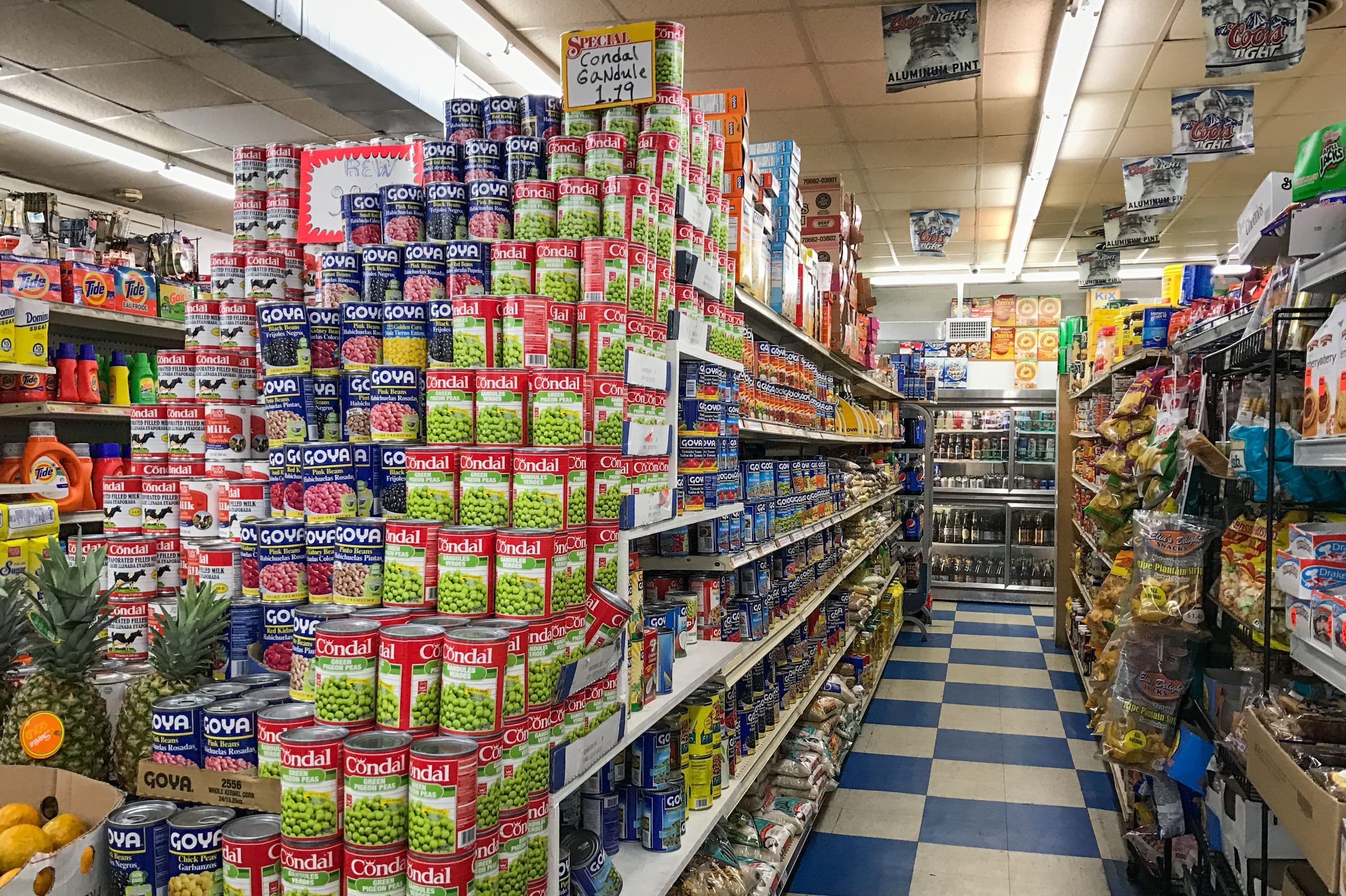
What’s a Bodega to the Community?
At bodegas, residents have easy access to daily supplies and culturally relevant food options. Bodegas have adapted to changing cultural, social, and economic landscapes and remain an important part of urban communities.
By joining hands communities can preserve bodegas, preserving these urban community hubs for years to come.
Find hidden gems and local favorites with our guides to non-touristy things to do in NYC and Brooklyn. Instead of hitting the usual crowded spots, wander through charming neighborhoods, cultural hotspots, and unique dining spots for a true taste of the city. Uncover the best-kept secrets and experience the unique charm of New York City and Brooklyn just like a local with Rove Travel.
If you're inspired to visit a bodego for the first time, here's how to get the most from your experience.
FAQ
What makes a bodega different from a regular convenience store?
A bodega is rooted in community and culture in a way that a standard convenience store is not. Beyond stocking everyday goods, bodegas carry ingredients and products tied to the heritage of the surrounding neighborhood, often stay open late or around the clock, and serve as informal gathering spots where residents connect with one another and the owner.
Where did bodegas originally come from?
Bodegas trace their origins to early 20th-century New York City, where Puerto Rican immigrants opened small grocery stores to serve their communities with familiar foods and household staples. Over time, other immigrant groups opened similar stores, and the bodega model spread to cities across the US including Miami, Chicago, Los Angeles, and San Francisco.
Why do bodegas matter to urban neighborhoods?
Bodegas fill gaps that larger chain stores often leave behind, particularly in dense urban areas where a full supermarket may not be nearby. They employ local residents, source from nearby businesses, and keep foot traffic on the street during late hours, which contributes to a greater sense of safety and belonging in the neighborhood.
How can residents help keep their local bodega open?
The most direct way is to shop there regularly instead of defaulting to chain retailers. Communities can also get involved through Adopt-a-Bodega programs, advocate for financial assistance grants, or support non-profits that run Bodega Makeover initiatives to help owners improve their stores and meet regulatory requirements.