Unlocking Profits: A Guide to Hamptons Vacation Rentals May 2026
The comfort of a second home. The convenience of a hotel. The reliability of Rove.
The Hamptons is a collection of seaside towns and villages on the eastern end of Long Island in Suffolk County, New York, roughly 90 miles from New York City. The region covers two principal towns, Southampton and East Hampton, along with a string of distinctive villages including Sag Harbor, Bridgehampton, Amagansett, and Montauk. Long known for pristine ocean beaches, farm-to-table restaurants, fresh seafood dining, art galleries, and designer boutiques along corridors like Jobs Lane in Southampton and Main Street in East Hampton, the Hamptons has drawn affluent visitors and second-home owners since the late 1800s.
For real estate investors, local homeowners, and short-term rental operators, the region's enduring appeal creates a strong market for luxury vacation rentals. High seasonal demand, premium nightly rates, and a guest base seeking curated, private stays all point toward favorable returns. Success in this market depends on data-backed decisions. Understanding rental seasons, renter preferences, and pricing strategies makes the difference between a well-performing investment and a missed opportunity.
This guide offers practical insights to help you find your ideal Hamptons vacation home, covering market trends, investment metrics, and what today's renters expect from a stay on Long Island's East End.
TL;DR
- The Hamptons spans 30 miles of Long Island's South Fork, with towns like East Hampton, Southampton, Sag Harbor, and Montauk each offering distinct character and rental demand.
- The market posted $5.8 billion in total sales volume in 2025, with a median sale price above $2 million, signaling strong fundamentals for vacation rental investors.
- Peak season runs Memorial Day through Labor Day, with July and August commanding the highest nightly rates and occupancy often exceeding 90%.
- Key drivers of rental returns include location, proximity to beaches and dining, and curated amenities such as private pools, modern kitchens, and smart home features.
- Data-backed pricing strategies and awareness of local events like the Hamptons International Film Festival help owners maximize occupancy and revenue year-round.
About the Hamptons
Geography and location
The Hamptons occupies the South Fork of Long Island, stretching roughly 30 miles along the Atlantic Ocean from Westhampton in the west to Montauk at the eastern tip. The region sits in Suffolk County, New York, about 90 miles from Midtown Manhattan. A mix of ocean-facing barrier beaches, calm bay waters on the north side, and farmland in between gives the area a distinct character that sets it apart from other East Coast resort destinations. Two major highways — Montauk Highway (Route 27) and Sunrise Highway (Route 27A) — connect the towns, though summer traffic is notoriously slow, making early Friday departures a common strategy among regular visitors.
Main towns and villages
Each town along the South Fork has a personality of its own. Southampton is the largest and oldest, home to historic estates, a lively arts scene, and a commercial strip along Jobs Lane lined with designer boutiques and fine dining. East Hampton draws a similarly affluent crowd to its tree-lined Main Street, where galleries, restaurants, and independent shops occupy beautifully preserved 18th-century buildings. Sag Harbor, a former whaling port on the bay, offers a more bohemian atmosphere with independent bookstores, waterfront dining, and a walkable village center. Bridgehampton sits at the heart of the agricultural corridor, surrounded by vineyards and farms that supply the area's celebrated restaurants. Montauk, at the very end of the fork, is the most casual of the bunch — a surf town with a loyal year-round community, dramatic bluffs, and some of the best fishing on the East Coast.
Cultural heritage and appeal
The Hamptons has drawn artists, writers, and intellectuals since the late 19th century, when the landscape attracted painters of the American Impressionist movement. Today, that cultural legacy lives on in institutions like the Parrish Art Museum in Water Mill, the Guild Hall in East Hampton, and a thriving summer gallery circuit. Annual events including the Hamptons International Film Festival and farm-to-table dinners at local vineyards reinforce the area's reputation as a place where refined taste meets natural beauty. For rental investors, this cultural depth translates into year-round demand that extends well beyond beach season.
| Town | Character | Best known for | Peak demand | Avg. home price | |
|---|---|---|---|---|---|
| Southampton | Affluent, long-standing | Historic estates, Jobs Lane shopping | July–August | $2.5M+ | |
| East Hampton | Refined, cultural | Main Street galleries, fine dining | July–August | $3M+ | |
| Sag Harbor | Bohemian, walkable | Waterfront village, arts scene | June–September | $1.8M+ | |
| Bridgehampton | Rural, agricultural | Vineyards, farm-to-table dining | July–August | $2.2M+ | |
| Montauk | Casual, outdoorsy | Surfing, fishing, bluffs | June–September | $1.45M+ |
Market Insights
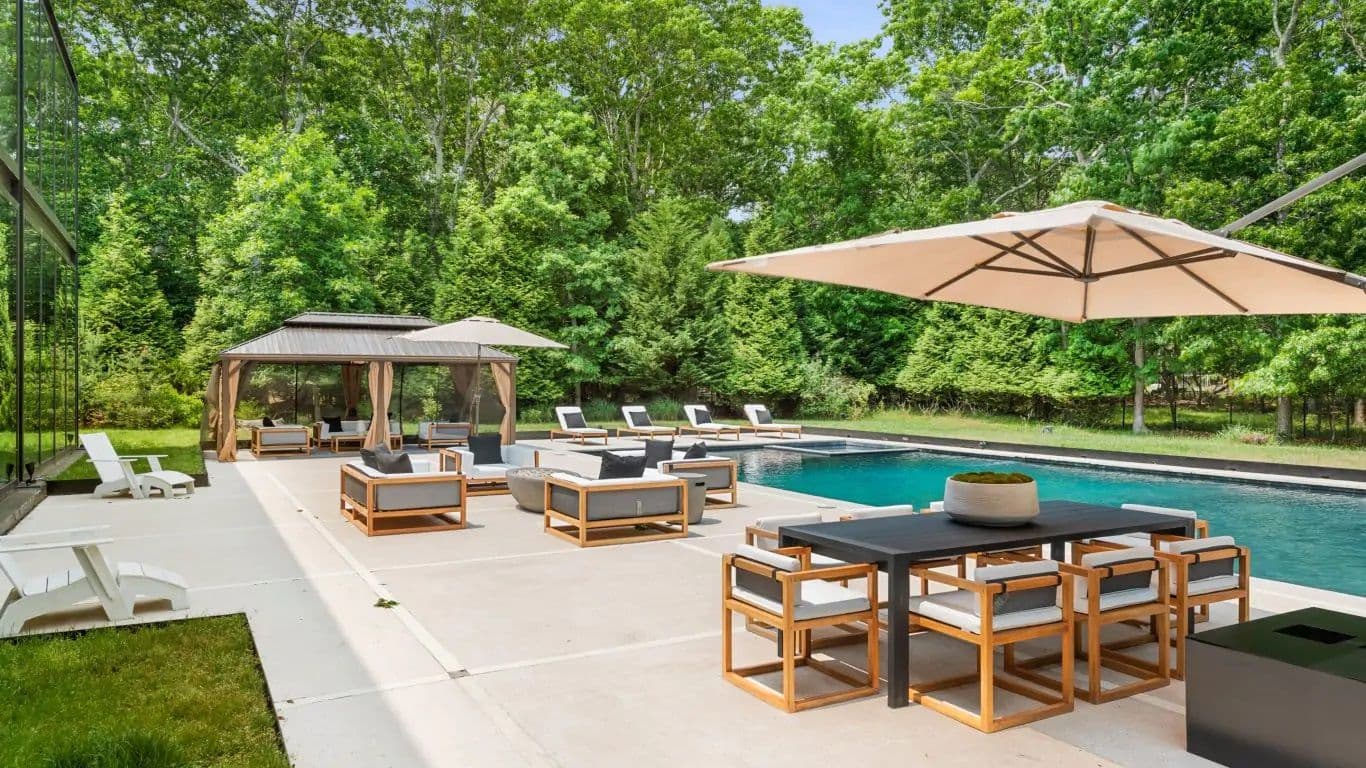
Dunes Lane By Rove Travel | Amagansett
Overview of the Hamptons on Long Island Vacation Home Rental Market
The vacation rental market in the Hamptons is thriving. According to Hamptons real estate advisor Matthew Breitenbach, the market posted $5.8 billion in total sales volume in 2025, with a median sale price above $2 million and an average sale price of $3.4 million — figures that point to strong, record-breaking fundamentals.
The strong demand for luxury Hamptons vacation rentals during summer has resulted in higher property values and rentals. In contrast to vacation spots like Florida or the Caribbean, the Hamptons stand out for their unique mix of natural beauty and cultural elegance. This is a sought-after destination year-round. While other locations may experience lulls, the Hamptons continue to attract visitors, with many holiday homes reserved well ahead of summer. For example, in Montauk there has been an increase in real estate activity with the median home price rising by 9.3% over the year to reach an average of around $1.45 million, according to Redfin's housing data.
Tenant Demographics
Renters in the Hamptons are often luxury travelers, including families, couples, and groups of friends seeking first-rate amenities and a serene private getaway. These demographics usually look for vacation homes equipped with modern comforts like fully stocked kitchens, a hot tub, air conditioning, and private pools close to the main beach. Understanding these renter's preferences and requirements is key for rental property owners aiming to attract and retain high-caliber tenants.
Impact of Seasonal Patterns on Rental Demand
Seasonal fluctuations significantly influence demand in the Hamptons. The peak season typically spans from Memorial Day through Labor Day, with July and August emerging as the most popular months.
During these times, short-term house rentals may increase substantially causing many properties to be fully booked months ahead. The off-peak season spans fall and winter with reduced demand, lower rental fees, and decreased occupancy. Property owners must adapt their pricing strategies to optimize occupancy and revenue year-round. Introducing rental deals during the off-peak season maintains consistent bookings.
Investment Evaluation Metrics
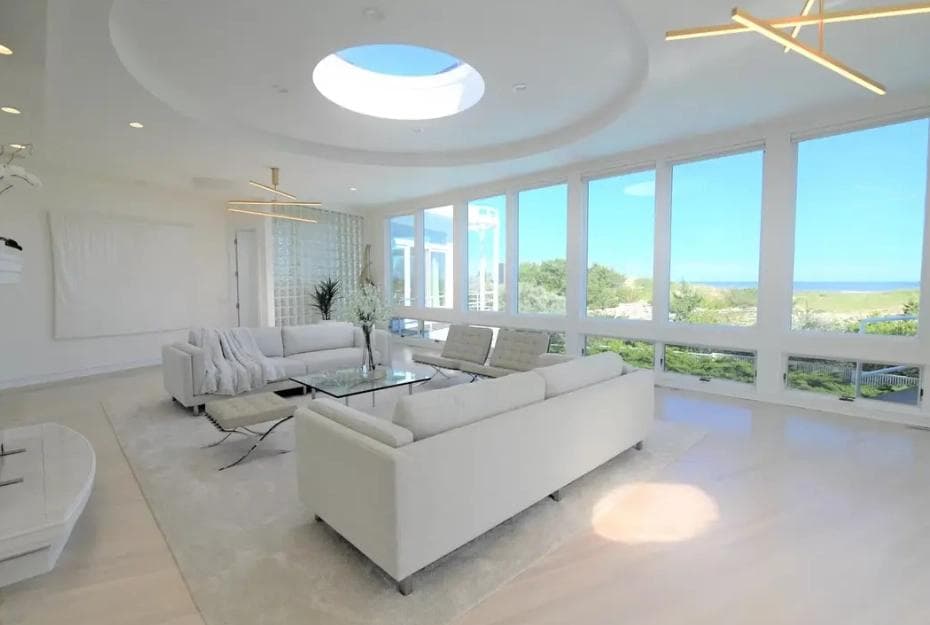
Dunes Lane By Rove Travel | Amagansett
Understanding Average Occupancy Rates and Their Significance
In destinations like the Hamptons, peak-week occupancy rates during July and August can reach 85% or higher, reflecting strong demand for curated vacation homes during the height of summer. Investors need to understand these occupancy figures when assessing market performance. While high occupancy rates signal demand, they also call for a focus on property upkeep and guest services to keep properties well maintained. Tactics for boosting off-season occupancy may involve offering adjusted pricing, catering to a broader range of guests, or enhancing property amenities to appeal to a wider guest base.
Calculating the Return on Investment (ROI) for vacation properties
Calculating ROI for vacation homes in the Hamptons involves several key factors:
- Initial Investment Expenses: This covers the property’s purchase price, closing costs, and initial renovations required to prepare the property for renting.
- Ongoing Maintenance and Operating Costs: These include property management fees, utilities, insurance, and upkeep expenses that can accumulate in high-end properties.
- Rental Revenue: This is determined by the rental and occupancy rate throughout the year. For instance, a beach house rented at $50,000 per month during peak season with an 85% occupancy rate should yield a good income.
Understanding the Impact of Local Events and Attractions on Rental Demand
Events like the Hamptons International Film Festival, art exhibitions, and summer events attract crowds and significantly increase demand for house rentals. Proximity to attractions like Montauk Point Lighthouse, beaches, vineyards, and cultural sites can boost a property’s desirability, enabling owners to charge premium prices. Understanding when these events occur and how they affect property owners can help owners decide on rental pricing and marketing strategies to attract tourists from around the United States.
Assessing Property Profitability
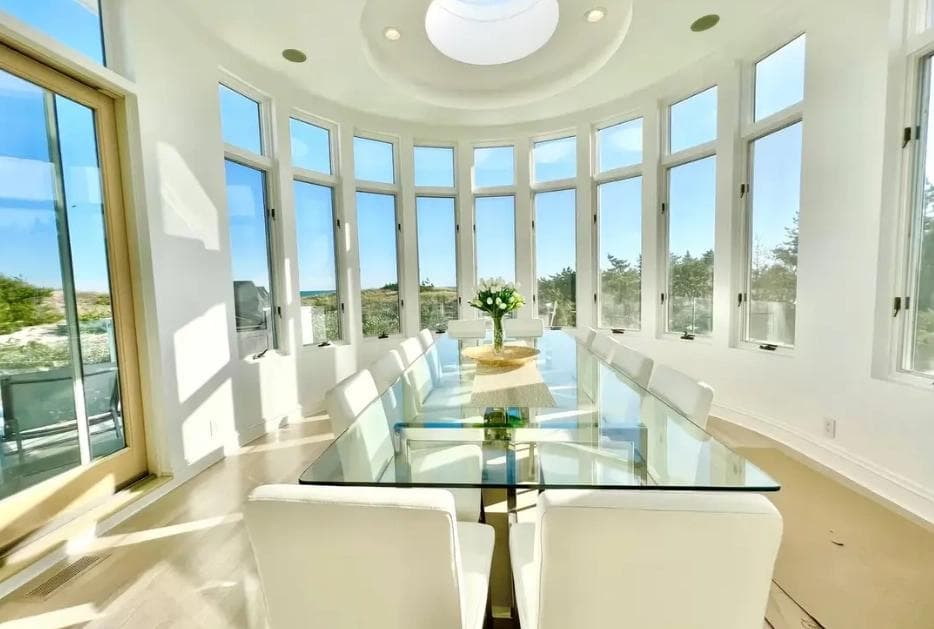
Dunes Lane By Rove Travel | Amagansett
Evaluating the Property’s Location and Proximity to Popular Attractions
One aspect to consider when evaluating the property profitability in the Hamptons is its location. Prime spots like East Hampton, Southampton, and Sag Harbor are highly sought-after, as are those close to the main beach or popular dining and shopping spots. Being within walking distance of amenities and having access to transportation are also key factors appealing to renters seeking convenience.
The Role of Property Amenities in Rental Rates
Property amenities have a direct impact on rental rates. Key features for house rentals in the Hamptons include internet, modern kitchens, air conditioning, and private pools. Higher-end amenities like tubs, home theaters, and smart home technology justify higher rates. Properties with these amenities attract more guests and allow owners to command premium pricing, maximizing their rental income.
Anticipating Future Property Value Growth and Its Impact on Profitability
Hamptons property values have shown consistent upward momentum over time, supported by constrained supply, enduring demand, and the area's reputation as one of the East Coast's most sought-after second-home markets. The region posted $5.8 billion in total sales volume in 2025, with a median sale price above $2 million — figures that point to a market with strong long-term fundamentals. Properties acquired in well-positioned locations stand to benefit from continued price appreciation and growing rental income as demand for curated stays on the East End remains steady.
Using Data for Informed Choices
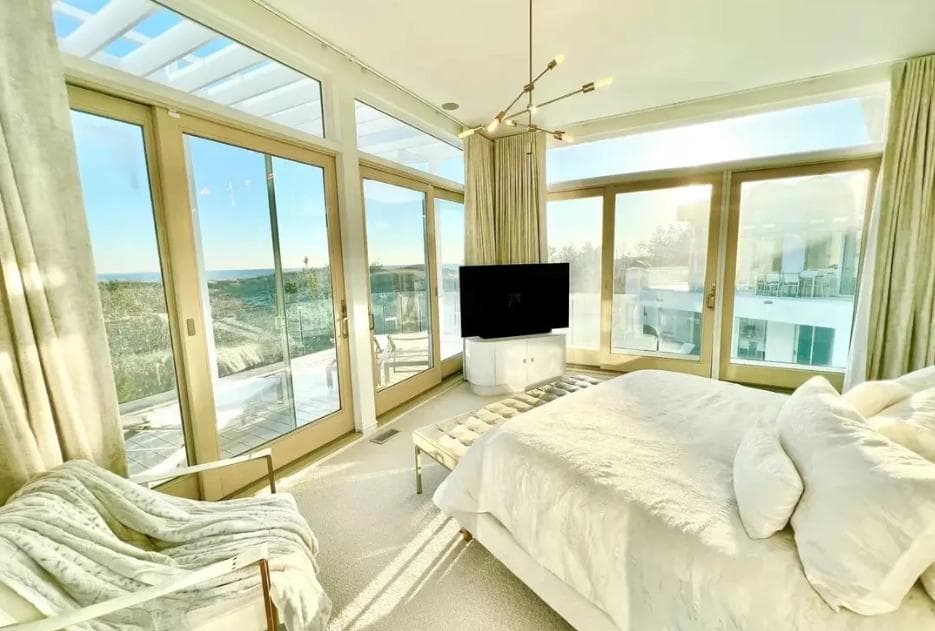
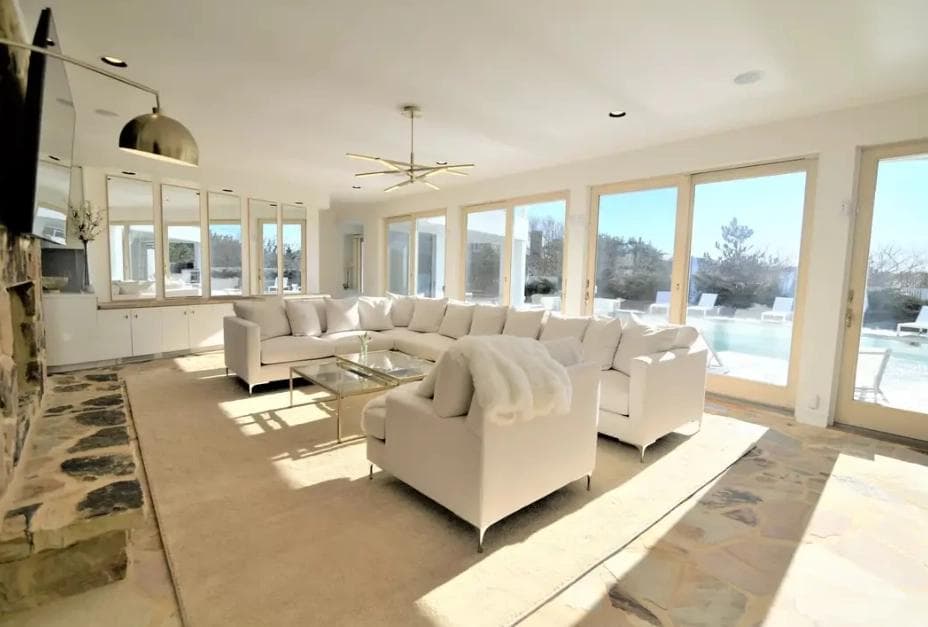
Dunes Lane By Rove Travel | Amagansett
The Importance of Data in Making Smart Investment Decisions
Having access to data is crucial for making informed investment decisions in the Hamptons vacation rental market. Trustworthy data sources include real estate platforms, market reports, and local property records offering insights into market trends, pricing strategies, and rental demand. Investors can use tools like property management software and market analysis platforms to monitor performance metrics and proactively adjust their strategy.
Incorporating Local Real Estate Market Trends and Predictions
Staying informed about market conditions, including pricing trends, inventory levels, and market demand, is essential for proactive investment choices. Forecasting tools assist investors to anticipate market changes and seize emerging opportunities to stay competitive in a dynamic market environment.
Illustrative Examples of Successful Vacation Rental Properties on Long Island's Hamptons
Example 1: A high-end beach house in East Hampton encountered difficulties with occupancy during, off-peak seasons. By using information about events and adjusting pricing strategies the owner boosted occupancy rates in the fall and winter months. Higher occupancy led to a 15% increase in annual revenue.
Example 2: In another scenario, a vacation home in Sag Harbor used home technology and luxurious amenities to attract upscale renters. By implementing pricing based on demand data, the owner achieved a 20% higher rental rate than similar properties in the area.
In the Hamptons vacation rental market, data-based decisions are key to maximizing success. Property owners and investors can improve profitability and support long-term returns by understanding market trends, analyzing key metrics, and using data to guide investment strategies. Use these insights to make investment decisions that align with your objectives.
Explore Montauk and the South Hamptons Like a Local!
Uncover hidden gems and non-touristy things to do in Montauk and the South Hamptons. From secluded beaches and scenic trails to unique local dining spots, dive into the authentic Hamptons experience. Planning a city escape? Discover our guide to non-touristy things to do in NYC and Brooklyn for insider tips on hidden treasures and must-visit local favorites.
FAQs
What advantages do Hamptons vacation rentals offer over hotels in the Hamptons?
Vacation homes provide space, privacy, and family-friendly comforts, perfect for extended stays and family vacations.
How can I make sure the vacation rental I pick is well taken care of?
Choose properties managed by trusted services like Rove Travel. It's known for quality checks and regular upkeep.
Is it possible to reserve a vacation rental in the Hamptons for a business trip?
Definitely! Rove Travel provides properties with amenities for work offering a great mix of business and leisure.
What should I search for in a family-friendly vacation rental?
Seek out rentals with pools, secure play areas, air conditioning, and proximity to family-oriented attractions.
How does Rove Travel handle problems during my stay?
Rove Travel prioritizes guest satisfaction, providing round-the-clock assistance to address any issues or concerns that may arise during your visit.